 EN
EN


Evaluating Factory Requirements Before Major Capital Expenditures
Upgrading your textile finishing department with a new striped pile cutting machine requires a deep understanding of your current and future production needs. Many factory general managers make the mistake of choosing a machine based purely on the lowest price, only to discover later that the equipment cannot handle specific fabric densities or widths. Before making a purchasing decision, it is essential to look at the exact types of textiles your factory processes on a daily basis. Lightweight decorative velvets require completely different shearing tensions and knife adjustments compared to heavy, dense cotton corduroy used for durable winter apparel. By taking a close look at your customer demographics and order history, you can determine whether your facility needs a flexible machine for varied small batches or a high speed powerhouse optimized for continuous single fabric production runs. Consulting with workshop supervisors who understand the daily operational realities will help you build a realistic list of technical specifications that ensure a successful integration.
Core Technical Specifications to Prioritize During Selection
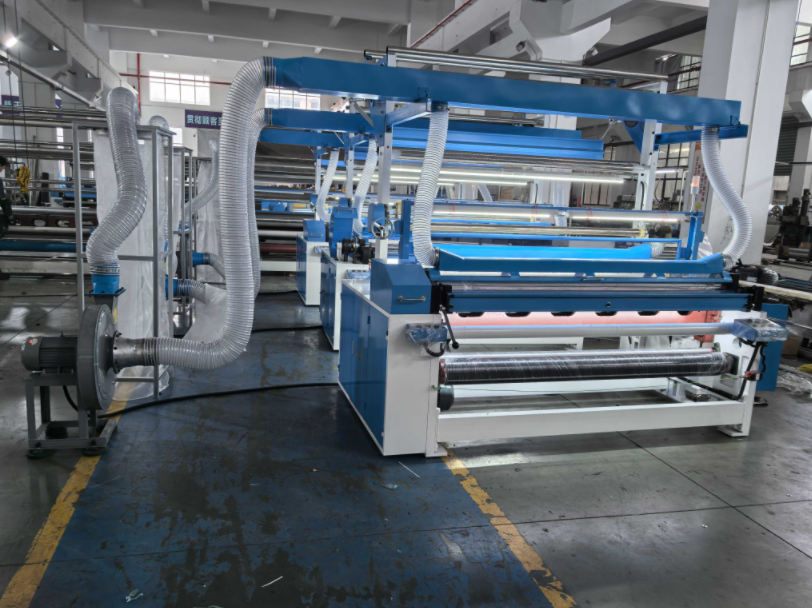
When comparing different models of striped pile cutting machines, several critical specifications dictate how well the equipment will perform under heavy workshop conditions. First and foremost is the effective working width of the machine. It is wise to select a width that accommodates your widest fabric rolls while leaving a comfortable margin on the sides to prevent edge damage. Next, examine the configuration of the blade cutting system. Look for machines equipped with precision manufactured rotary cylinders made from high grade hardened steel, as these resist warping and maintain sharpness far longer under constant fiction. The inclusion of an automated electronic tracking and fabric guiding system is another feature that should never be overlooked. This system detects fabric misalignment instantly and adjusts the feeding rollers automatically, eliminating the risk of cutting skewed stripes. Finally, ensure the user interface is powered by a modern PLC system that allows operators to save custom profiles for different fabric styles, reducing setup times significantly.
Analyzing Supplier Stability and Global Technical Support
The technological capabilities of a machine are only as good as the manufacturer standing behind it. In the modern B2B industrial environment, textile factory owners must look beyond the initial purchase price and evaluate the long term support structure of the machine supplier. A reliable manufacturer should offer comprehensive technical documentation, detailed installation guides, and deep operator training programs to get your staff up to speed quickly. Furthermore, unexpected software glitches or mechanical questions can happen at any time, making accessible technical support a major priority. Choosing a partner with a dedicated international team ensures that language barriers and time zone differences will not paralyze your factory operations when you need urgent guidance. Assessing the availability of local or rapid response service engineers gives your business an added layer of operational safety, guaranteeing that your new investment will deliver high performance for years to come.
ROI Projections and Strategic Investment Alignment
Every machine added to your factory floor must justify its space by generating measurable financial returns. High quality shearing machinery increases your factory capacity, allowing you to process more fabric meters per shift with less manual supervision. This automation reduces labor overhead while simultaneously improving product quality, allowing you to command higher prices from demanding international garment buyers. When calculating your return on investment, consider the reduction in fabric waste, the savings from eliminated rework cycles, and the energy efficiency ratings of the new motors. A slightly higher upfront investment in a machine featuring premium components and advanced automation will almost always yield a lower total cost of ownership over time compared to a cheaper alternative that requires frequent repairs and part replacements. Aligning your machinery purchases with a clear long term business growth strategy ensures sustainable profitability.
Advanced Customization and Manufacturing Capabilities
For textile mills aiming to establish a commanding presence in competitive international markets, collaborating with a machinery manufacturer that possesses elite engineering capabilities is invaluable. Your production challenges are unique, and a standard mass produced machine may not provide the precise edge your business requires. SHNEITER excels in delivering tailored industrial solutions, combining massive manufacturing expertise with deep industry knowledge to build specialized striped pile cutting machines that match your precise specifications. The advanced factory footprint of SHNEITER is engineered to handle complex custom orders, utilizing premium steel and state of the art machining centers to ensure unmatched equipment precision. Furthermore, the extensive global supply chain and service framework managed by SHNEITER ensures that your investment is fully supported from initial layout design to long term parts replacement. Partnering with a dedicated manufacturing powerhouse gives your facility the industrial strength and technological sophistication needed to satisfy the most demanding clients worldwide.