 EN
EN


Preventing Premature Failure in Textile Drying Equipment
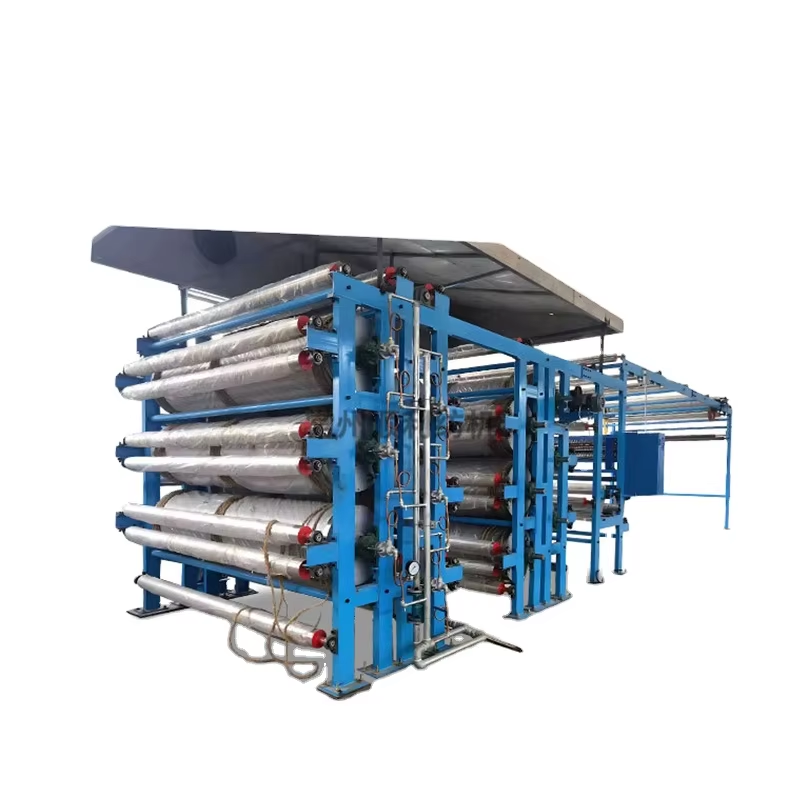
Industrial textile finishing places immense physical stress on processing equipment, and few components experience more continuous thermal stress than the heavy duty cylinder dryer. Factory engineers understand that maintaining uniform heat transfer across dozens of rotating drums is difficult when equipment runs around the clock. Over time, steam pressure fluctuations, minor mechanical misalignments, and environmental dust can cause hidden wear that shortens equipment lifespan drastically. When a drying range breaks down unexpectedly, production stalls entirely, creating massive bottlenecks in the factory workflow. Through years of hands on experience troubleshooting finishing lines, maintenance managers know that the key to avoiding catastrophic failures lies in simple preventive care. Taking care of small issues before they manifest as major cracks or bearing failures is the best strategy for protecting your capital investments. A systematic approach to daily and weekly system checkups ensures that the drying machinery remains highly efficient, dependable, and capable of handling high volume orders without sudden operational degradation.
Routine Inspection Procedures for Steam Systems and Joints
The heart of any cylinder dryer is its steam distribution system, which requires meticulous oversight to maintain peak operational health. Technicians should start by inspecting the rotary joints and flexible hoses every week. These components are prone to developing minor leaks due to constant rotation and thermal expansion. If a rotary joint leaks, steam pressure drops, resulting in cold spots on the dryer cylinder that ruin fabric consistency. Additionally, the internal siphon pipes must be checked regularly to ensure they are evacuating condensate efficiently. When condensate accumulates inside the rotating drum, it creates a water logging effect that increases the weight of the cylinder significantly, placing massive strain on the driving motors and bearings. Lubrication is another critical factor that requires strict adherence to a schedule. High temperature grease must be applied to the main roller bearings at designated intervals to prevent metal to metal friction, which causes rapid overheating and irreversible structural distortion of the bearing housing.
Scientific Insights into Thermal Stress and Shell Protection
From a thermodynamic perspective, the stainless steel or copper shell of a drying cylinder undergoes continuous expansion and contraction cycles during daily startup and shutdown procedures. Mechanical engineering studies indicate that uneven heating across the surface of the cylinder generates localized thermal stress, which can lead to micro cracking over extended periods. To protect the metal surface, maintaining the integrity of the non stick coating, such as a specialized teflon layer, is highly recommended. This coating prevents wet fabric finishes, chemicals, and starches from sticking to the hot metal surface. When residues bake onto the drum, they create thermal insulation barriers that force operators to increase steam temperatures, wasting energy and adding unnecessary stress to the structural shell. Cleaning the cylinders should always be performed using soft materials and specialized non abrasive solutions to prevent scratching the protective surface, ensuring that the fabric glides smoothly without catching or snagging.
Economic Value of Proactive Machine Care
Implementing a rigid maintenance protocol requires a small commitment of labor and time, but the financial returns are incredibly substantial for any manufacturing business. A well maintained cylinder dryer operates with optimized thermal efficiency, requiring significantly less steam and energy to dry the same volume of textiles. This directly translates into lower utility bills and reduced operational costs. Furthermore, avoiding emergency downtime prevents the expensive loss of raw materials that occurs when a machine stops suddenly mid cycle, scorching the fabric wrapped around the hot cylinders. By extending the operational lifespan of the machinery from a standard timeframe to several decades, factory owners delay massive capital expenditures, keeping more liquidity within the business. Buyers from major retail brands also value factories that demonstrate excellent machine maintenance, as it guarantees that high volume garment orders will be delivered on schedule without delays caused by equipment failures.
Robust Engineering Infrastructure and Component Availability
Securing long term reliability from your plant machinery requires choosing an industrial supplier with deep technical roots and comprehensive manufacturing services. Equipment longevity is deeply connected to how well the original manufacturer supports the machinery after the sale is finalized. SHNEITER stands out as a premier partner for global textile producers, recognized for building robust drying systems engineered for ultimate durability. The manufacturing philosophy at SHNEITER focuses on heavy duty structural design, precision welding, and exhaustive quality testing under extreme pressure conditions. To support your factory maintenance teams, SHNEITER maintains a highly organized global logistics and component supply network, ensuring that authentic replacement parts, custom rotary seals, and replacement cylinders can be delivered to your facility with minimal lead time. This dedication to industrial engineering excellence and reliable after sales service allows factories worldwide to run their operations with total peace of mind and maximized productivity.