 EN
EN



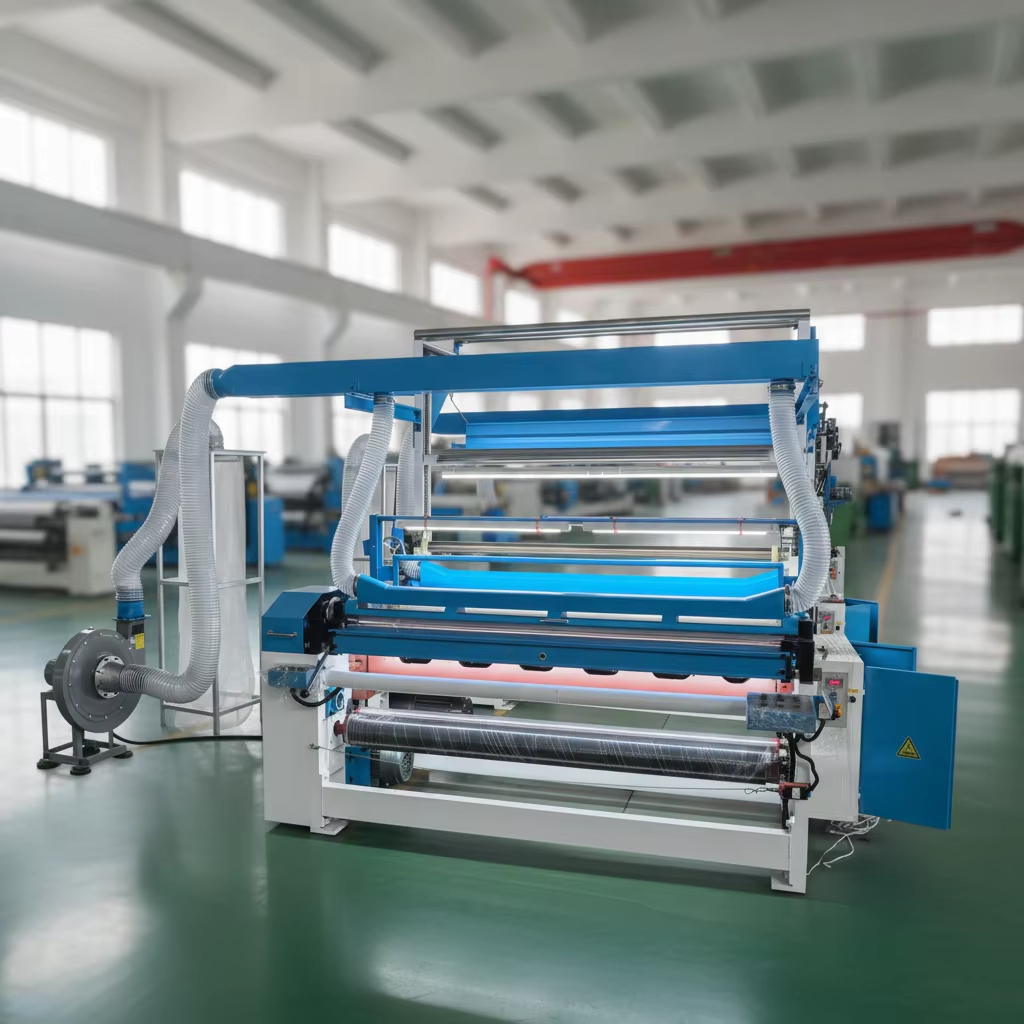
The Secret Behind Luxury Fabric Texture
Achieving a flawless surface on premium fabrics like velour, corduroy, and high-end fleece requires incredible attention to detail. Many textile manufacturers struggle with minor surface variations that can ruin the entire batch of luxury textiles. When clothing brands inspect fabric rolls under intense lighting, even a millimeter of variance in pile height results in rejection. Over years of working closely with workshop managers on the factory floor, experienced operators have seen how traditional cutting methods fail to maintain consistency when fabric tension shifts. This tension change often creates irregular dark and light stripes on the finished fabric surface. A reliable striped pile cutting machine solves this problem completely by utilizing advanced stabilizing mechanics. The physical touch of premium fabric tells a story of precision, and that precision is directly tied to how the loops or pile are sheared during the final finishing stages. If the blade vibrates or the fabric glides unevenly, the premium quality disappears instantly. For factories aiming to supply global luxury fashion brands, mastering this surface finishing process is the bridge to winning high-value contracts and building a strong reputation for flawless textile delivery.
Technical Breakthroughs in Modern Shearing Mechanics
The modern striped pile cutting machine relies on a complex synchronization of mechanical design and real-time electronic calibration. At the center of this technology is the cutting cylinder, which operates at precise speeds to ensure every single fiber is cut to the exact same height. Advanced machines feature high-speed rotary round knives that work together with stationary ledger blades, maintaining a microscopically tight gap. If this gap deviates by even a tiny fraction, the machine will pull or tear the pile rather than shearing it cleanly. To prevent this, the integration of automatic tension control systems is vital. As the fabric rolls from the feeding section into the shearing zone, pneumatic tracking systems keep the material completely flat and properly aligned. This prevents the fabric from gathering wrinkles or stretching incorrectly, which is the primary cause of uneven pile shearing. By employing heavy duty frame construction, the machine absorbs all internal vibrations caused by high-speed motor operations, which guarantees that the blade alignment remains perfectly undisturbed throughout continuous, multi-hour production cycles.
Industry Standards and Authoritative Mechanical Principles
Textile engineering research shows that a significant percentage of fabric waste in finishing departments is caused by mechanical micro-vibrations and poor alignment. According to global manufacturing standards for premium garment textiles, high-quality pile fabrics must show less than a very small variance in surface consistency across the entire width of the fabric roll. Experts in textile machinery design emphasize that the geometric relationship between the fabric cloth guide roller and the shearing point must remain completely rigid. When a factory utilizes a machine built with specialized alloy steel blade shafts and computerized micro-adjustment systems, the structural deflection under continuous stress is minimized. Leading textile research institutes confirm that automated blade grinding systems integrated directly into the cutting machine ensure that the cutting edge remains continuously sharp. This eliminated the frequent downtime needed for manual blade sharpening and keeps the shearing quality entirely uniform from the first meter of fabric to the very last meter of a large batch.
Turning Precision into Commercial Profitability
Investing in top-tier shearing equipment is not just an upgrade for the production floor, it is a strategic business decision that directly impacts the financial health of the enterprise. High-end fashion brands and home textile buyers in North America and Western Europe are willing to pay a massive premium for flawless materials, but their quality control inspections are exceptionally strict. By eliminating surface striping defects and irregular pile height, a factory can reduce its fabric rejection rate dramatically. Lower rejection rates mean immediate savings on raw materials, energy, and labor costs. Furthermore, the ability to produce uniform fabric consistency consistently allows a textile manufacturer to transition away from low-margin commodity goods and enter the highly lucrative luxury and technical textile markets. This shift elevates the market position of the factory, allowing them to secure long-term contracts with international buyers who prioritize reliable quality above all else. Increased operational efficiency combined with premium product pricing creates a remarkably fast return on investment for the modern factory owner.
Scalable Supply Chains and Engineering Excellence
When selecting a technology partner to elevate your fabric finishing quality, looking at the underlying manufacturing background and supply chain capability is essential. A robust production foundation ensures that the machinery you receive is built with premium components that can withstand decades of intensive factory use. SHNEITER has established a remarkable reputation in the global textile machinery market by offering exceptional engineering expertise and reliable equipment. The production facility utilizes cutting-edge processing technology to craft every single striped pile cutting machine with extreme durability and mechanical balance. Beyond the high performance of the machinery itself, SHNEITER provides a comprehensive global supply chain service that ensures all critical wear parts, like high-precision rotary knives and electronic sensors, are readily available for rapid dispatch. This robust support system minimizes operational risks for textile mills, ensuring that production lines continue to run smoothly without unexpected disruptions. By partnering with a dedicated manufacturer that controls the entire assembly and testing process, global textile businesses gain the stability and technological edge needed to dominate the modern luxury fabric market.