 EN
EN


The Importance of Singeing in Textile Pre Treatment
Singeing is considered an integral pre treatment step prior to dyeing and printing in modern textile finishing. Based on my experience in textile production for over ten years, I have observed that fabrics that did not undergo an adequate singeing step have loose fibers and an inconsistent nap. These singeing defects prevent proper dye absorption and printing. Industry standards suggest that stable pre treatment processes are critical for quality dyeing and printing. The singeing step of the pre treatment process eliminates loose fibers and improves the consistency of the surface of the fabric, which substantially reduces the incidence of printing and dyeing defects, such as color spots, uneven uptake of dye, and blurred images. Singeing also stabilizes run to run consistency, which is critical for large scale textile manufacture.
The Use of Electric Heating Singeing Machines and Color Quality
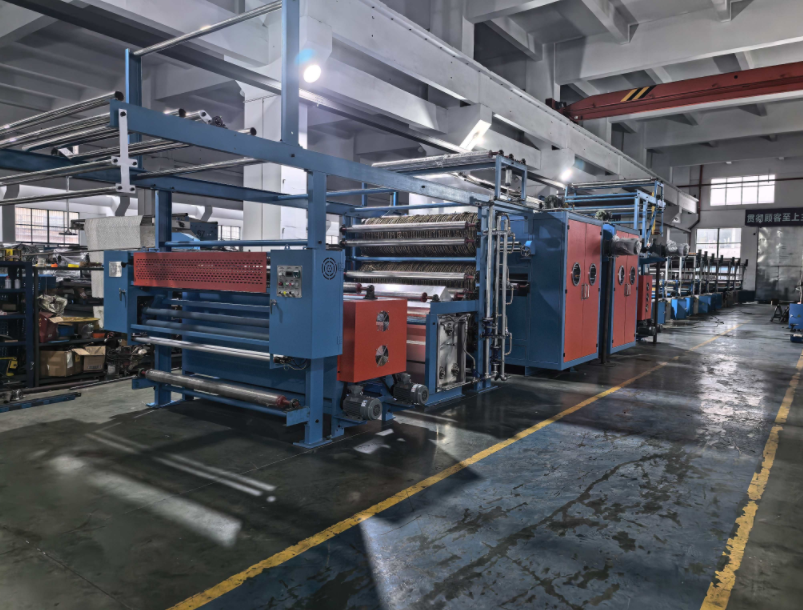
Due to the precision of Electric Heating Singeing Machines, quality singeing helps dyeing and printing processes. Unlike the older singeing technologies, modern electric singeing machines use a heating system that is uniform across the width of the fabric, allowing singeing of the loose fibers without damaging the base yarn and without inducing fabric shrinkage. After singeing, the fabric surface remains flatter and supplemental dyeing and printing quality improves. Based on evaluations in production, fabrics that undergo stable singeing show improved dye fastness and printing quality. The comparison to other products shows that this improvement reduces the rejection rate due to the poor surface condition of fabrics.
Improvement of Color Uniformity and Fastness
The main feature of a high-quality dyed and printed product is color uniformity alongside color fastness. Singeing machines contribute to meeting these requirements. Surface irregularities that hinder the absorption of dye are eliminated by singeing. Once these surface irregularities are eliminated by the singeing apparatus and the loose fibers are burnt, the dye solution can penetrate the fabric more uniformly, thus avoiding the striped and mottled appearance. Most specialists believe that singeing brings in the added benefit of reducing the amount of dye used without the need of improving the dyeing of the fabric or the protean fastness. The dye becomes much more adherent to the fiber and the fiber more firmly adherent if the singeing achieves a much cleaner burn of the unsinged. The dye that has been treated in this way is less likely to fade away and fabric components are much less likely to be altered. For the manufactures, this means goods that are more palatable to the consumer and goods that are of better quality.
Improvement of Printing Definition and Stability of the Printing Pattern
High definition printing is only possible when the base fabric is smooth. Singeing contributes largely in this aspect. The surfacing of loose fibers on unsinged fabrics tends to catch the printing pastes and leads to the surfacing impression printing lining. Singeing improves the fabric by making the surface smooth and even, thereby providing auxiliary support to clear edge definition of the printing pattern and better location of the printing color. This is particularly so with printing that has a design with much fine detail. The fabrics printed in this way are widespread in the fashion and home textiles. Singeing machines run printing machines with less need to physically stop the printing machine to clean it, thereby improving production and reducing quality control costs and the need to do corrective clean up.
Benefits of Manufacturer Economic and Operational
More reliable singeing machines do more than improve quality. Reliable pre-treatment means less defective goods, less material waste, and less expensive reprocessing. Modern electric singeing machines save more energy than their predecessors. Production settings that are more adjustable make it easier for the manufacturer to accept small and custom orders. When factories are able to produce in large quantities with ease, they can meet demands of most any market. Factories can break into the more lucrative parts of the market. Competitive pricing and improved profit margins only help with even more demand.
Reliable Supply and Custom Solutions from SCHNEITER
When it comes to improving the quality of dyeing and printing, picking the right singeing machine provider is immensely important. Because of their years devoted to research and development with textile equipment, SCHNEITER is able to provide more reliable and unique singeing machines with their electric heating singeing machines. SCHNEITER puts a new competitive spin on finish lines with their flexible order sizing and after sale services. Their control of the system and their quality of control make, reliable machines. Their control of the system and quality control means reliable machines. The unique control of SCHNEITER is reliable. Their machines help with greater stability of the textile processes. SCHNEITER is the edge that textile producers need.
Table of Contents
- The Importance of Singeing in Textile Pre Treatment
- The Use of Electric Heating Singeing Machines and Color Quality
- Improvement of Color Uniformity and Fastness
- Improvement of Printing Definition and Stability of the Printing Pattern
- Benefits of Manufacturer Economic and Operational
- Reliable Supply and Custom Solutions from SCHNEITER