 EN
EN


Smart Technologies and Real Time Automation
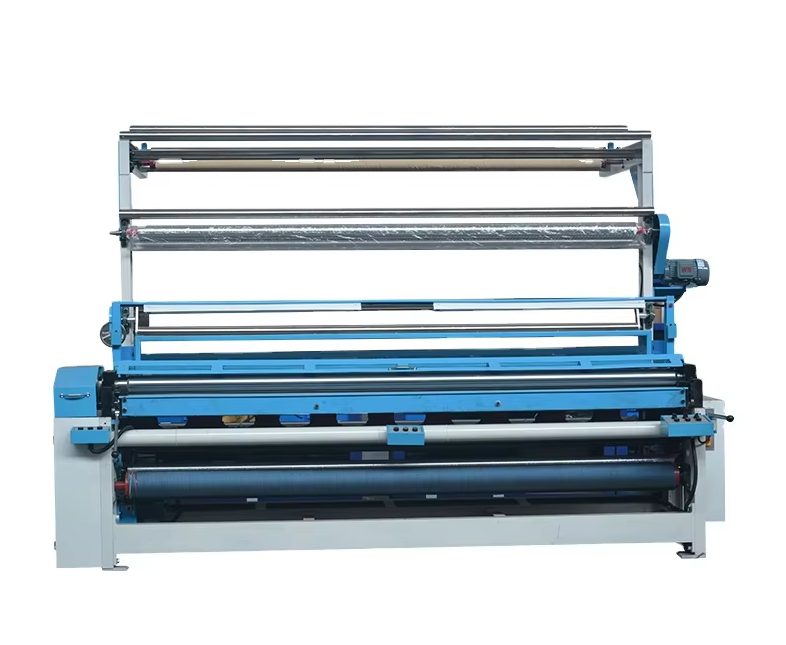
Smart Digital Systems are set to revolutionize fabric finishing. For example, modern systems have the capacity to measure finishing processes for operational efficiency. This means, systems can self-correct levels of finishing moisture, temperature, and even surface quality (among others). This means the risk of human error is minimized whilst providing maximum operational efficiency. This level of operational efficiency with modern systems meets the traceability standards of global brands. Digital systems even provide user-friendly features, like the ability to store and recall finishing parameters, and the ability to adapt to varying finishing materials and methods. These systems and features will provide manufacturers with a competitive, production ready, finishing line, during the transition to fully connected systems.
Energy Efficiency and Eco Design
The primary driver for finishing systems innovation is sustainability. Advanced systems are being developed with low power heating systems, closed loop finishing processes, and reduced emissions systems. These systems are being developed to meet strict environmental standards. Systems that effectively and efficiently finish processes such as drying and singeing have the added benefits of reducing operational costs and emissions. Advanced, eco-friendly lubricants and materials minimize waste, improve worker safety, and are complemented with advanced systems to support a green supply chain. Systems that support low emissions and a low environmental impact while providing superior operational performance will set the level of excellence expected for the future of textile manufacturing.
Customizable Finished Machine Configurations
The current state of the market landscape demands flexibility from finishing manufacturers in design and production. Mills can let smaller batch sizes and varied fabric runs dictate production. Modular finishing machines let mills add, remove, and reconfigure finishing modules as production changes. These machines can be customized for specific materials as home textiles and technical textiles. This increases productivity and line efficiency and decreases unnecessary redundant investments. Modular designs are future proof. They are designed for simple upgrades as new technology becomes available and market demands shift.
Improved Precision and Surface Quality
The consistent innovation of materials and mechanical design has pushed the finishing industry to a new level of excellence when it comes to finishing precision. The latest singeing, brushing, cutting, and inspection systems allow for the most consistent surface treatments and the highest yields while reducing the number of surface defects. New high precision cutting systems ensure consistent pile heights across all stripes and patterns of fabric while new brushing systems leave a soft even nap without damaging the fibers. New online inspection systems have improved final product quality by flagging defects as early as possible to minimize waste. All the finishing industry has to do to demand a higher value from their products in a global market is to implement the latest innovations.
Automation and Labor Optimization
Automation improves consistency and safety by decreasing dependence on manual labor. Operator intervention and fatigue are reduced by automatic feeding, tension control, parameter setting, and winding. Remote monitoring and debugging support enable experts to troubleshoot from anywhere, particularly for international customers. Automated quality assurance and data logging streamline compliance and reporting. Automation primarily addresses repetitive tasks, allowing process improvement, product development, and other, more valuable activities to be prioritized by skilled workers. These activities are the ones that promote long-term growth for the company.
Forward Thinking Finishing Solutions for Modern Textile Mills
Schneider Textile is at the forefront of fabric finishing equipment supply and development. The company provides users with reliable solutions that address an ever-changing industry landscape with an emphasis on modular design, digital control, energy efficiency, and precise performance. Schneider Textile employs rigorous quality control, proactive research and development, and flexible manufacturing to provide customers with customized solutions in the form of machines that are design on the basis of future requirements. As finishing in textiles becomes further advanced, Schneider Textile is committed to the development of cutting-edge tools that enhance quality, efficiency, and sustainability for textile mills globally.