 EN
EN


Practical on site troubleshooting cases of singeing machine breakdown from overseas textile finishing plants
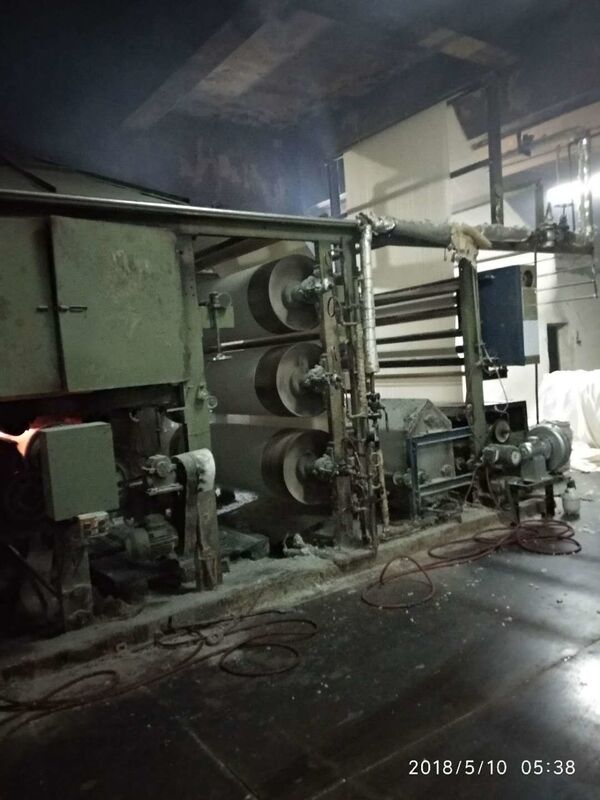
Years of tracking after sales maintenance projects for global textile factories delivers intuitive real world experience on typical singeing machine failures and practical fixes. A representative maintenance case comes from a medium sized finishing mill located in Vietnam which runs conventional electric heating singeing equipment for cotton and blended fabric processing. The plant kept facing irregular partial fabric scorch marks and frequent cloth deviation during continuous daily production, resulting in roughly eight percent finished fabric scrap loss every single month. On site technical inspection found uneven heating distribution inside heating cavity and worn tension roller bearings as root triggers. After adjusting heating element spacing and replacing aged bearing components following standardized troubleshooting steps, the factory eliminated abnormal burn defects and cut fabric waste down below two point two percent within three working days. Similar field maintenance records from South American corduroy processing factories further verify most recurring singeing machine troubles stem from regular component aging and improper daily operation habits instead of fundamental structural defects.
Core cause analysis and targeted solutions for mainstream singeing machine common malfunctions
Four categories of recurring failures dominate daily operation of electric heating textile singeing machines with clear corresponding troubleshooting routes based on mature mechanical principles. Uneven fabric burn or partial incomplete singeing tops the most frequent issue list mostly caused by inconsistent heater temperature output or unbalanced cloth feeding tension, operators need to calibrate digital temperature control module and adjust roller clearance step by step to balance heating contact with textile surface. Second common trouble refers to fabric wandering and edge fold during running mainly generated by deformed guide rollers and accumulated fiber waste on traction parts, regular roller surface cleaning and synchronous speed parameter modification can solve such issue efficiently. Third regular malfunction comes from internal lint buildup blocking exhaust duct which leads to excessive smoke staying near fabric and secondary discoloration, daily regular duct dust removal becomes essential preventive measure. Unexpected sudden electric shutdown counts as fourth frequent problem usually triggered by aging wiring or overloaded heating circuit, professional electrician circuit inspection and damaged wire replacement serve as standard repair method. All these troubleshooting methods comply with international textile finishing equipment operation specifications.
Authoritative industry research summarizing global frequent fault rules of textile singeing equipment
Latest maintenance oriented research released by International Textile Machinery Association at early 2026 counts that temperature control related faults account for over forty two percent of total annual singeing machine maintenance requests across global cotton and corduroy finishing workshops, followed by feeding system failures taking up twenty eight percent of all breakdown records. Anna Wilson a senior textile equipment consultant with twenty years of onsite service experience published analytical content in global dyeing finishing journal pointing improper daily cleaning and irregular routine maintenance become top two human induced reasons accelerating singeing equipment aging and unexpected shutdown. She also mentions advanced optimized structure design can lower overall annual failure rate by nearly thirty five percent compared with outdated traditional singeing machine layout. Verified official industry statistics and professional expert comments help global mill operators build scientific daily maintenance schedules to reduce unplanned downtime losses.
Standardized after sales service system to reduce long term failure risks for end manufacturers
Qualified singeing machine manufacturers formulate full transparent service rules supported by CE and ISO9001 international certification to help clients minimize unexpected equipment breakdown losses. Formal one year global warranty policy covers free spare part replacement and remote online debugging guidance within warranty period alongside round the clock twenty four hour after sales hotline for urgent fault consultation. All finished singeing equipment completes multi item running aging test before factory delivery to screen hidden structural or electrical defects in advance, detailed operation manual with classified fault elimination checklist gets delivered together with each unit for in house operator daily reference. Customized technical training including routine maintenance course can be arranged on demand to improve factory staff self troubleshooting capability for minor daily malfunctions and reduce dependence on external maintenance technicians. Full open service clauses get written into formal purchase contract to maintain transparent cooperation credibility.
Optimized production returns brought by reliable singeing machine design and professional technical backup
Proper daily troubleshooting plus high quality original equipment design greatly lower textile factory recurring maintenance cost and finished fabric rejection rate according to continuous global textile industry cost tracking data. Factories equipped with structurally optimized singeing equipment save average fifteen to twenty five percent on annual spare part and waste loss expenditure compared with users of outdated unoptimized models. Backed by more than ten years focused R&D accumulation Schneiter specializes in electric heating singeing machine plus full set corduroy finishing auxiliary equipment development and manufacturing, flexible small batch single unit customized production meets diversified small mill procurement demands meanwhile mature global delivery network sends qualified machines to over ten overseas countries. Complete long term technical follow up service continuously helps worldwide textile partners control equipment failure frequency and lift overall finished goods yield steadily.
Table of Contents
- Practical on site troubleshooting cases of singeing machine breakdown from overseas textile finishing plants
- Core cause analysis and targeted solutions for mainstream singeing machine common malfunctions
- Authoritative industry research summarizing global frequent fault rules of textile singeing equipment
- Standardized after sales service system to reduce long term failure risks for end manufacturers
- Optimized production returns brought by reliable singeing machine design and professional technical backup