 EN
EN



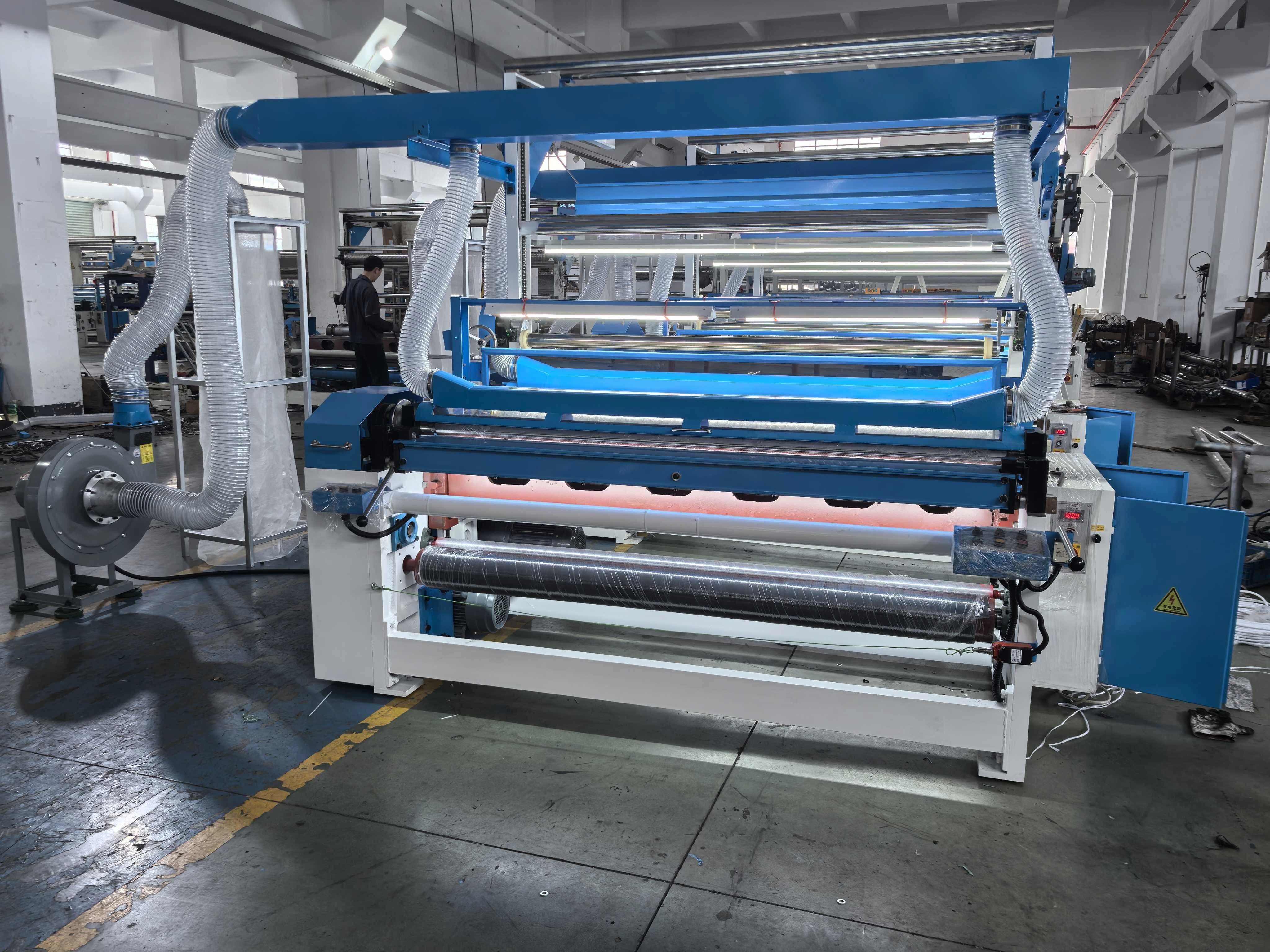
Maintaining Fabric Grain and Directional Napping with Corduroy Cutting Machines
Understanding Fabric Grain and Directional Napping in Corduroy
The unique ridges that define corduroy fabric rely heavily on how the fabric grain lines up properly. This means getting the warp and weft threads in the right direction matters a lot, along with the way surface fibers are oriented through directional napping. When fabric gets cut at wrong angles, it throws off the whole look. The pattern becomes asymmetrical, lights reflect unevenly across the surface, and the texture just doesn't feel right anymore. A recent study from textile engineers back in 2023 found that nearly four out of five corduroy flaws come down to poor grain alignment during cutting operations. That explains why most serious textile manufacturers follow specific cutting methods outlined in industry standard manufacturing manuals for producing quality corduroy fabrics.
How Corduroy Cutting Machines Align with the Fabric's Natural Grain
The latest corduroy cutting machines come equipped with laser systems that track where the fabric naturally wants to go. When making cuts along those grain lines, especially parallel to the warp threads, the machine keeps those vertical ribs looking good instead of letting them skew diagonally across the material. What makes these machines really stand out is their built-in sensors constantly tweaking blade angles as they work. This means even if there's a tiny wrinkle or inconsistency in the fabric that nobody would notice with the naked eye, the machine automatically adjusts so everything stays straight and true. Traditional cutting just doesn't handle these subtle variations nearly as well.
Impact of Misalignment on Pile Orientation and Aesthetic Quality
Even a 2° deviation from the grain line causes visible pile distortion, altering corduroy's signature velvet-like sheen. Such misalignment forces fibers into conflicting orientations, leading to patchy color absorption and reduced durability. Industry data indicates these errors increase material waste by 18% and customer returns by 23% in apparel production.
Case Study: Reducing Nap Distortion in High-Speed Production Lines
One denim maker recently saw impressive results after switching to automated corduroy cutting machines for their production line. They reported cutting down on nap distortion by around 40% when processing approximately 12,000 yards of fabric each month. The secret? Syncing blade speeds with those fancy real-time grain tracking systems allowed them to keep things aligned properly even at an impressive clip of 45 meters per minute. That's actually three times faster than what most people can manage manually. After rolling out these changes, quality checks revealed something remarkable too - almost a 95% boost in how evenly the piles looked throughout the fabric. Pretty amazing stuff for anyone looking to streamline operations without sacrificing quality standards.
Achieving Uniform Wale Formation and Pile Texture Through Precision Cutting
Wale Formation and Pile Texture in Corduroy: The Science Behind the Ribs
The distinctive ribs of corduroy, which are actually called wales, need careful engineering so they don't fall apart when the fabric gets cut. Most regular corduroy has around 10 to maybe even 15 wales in each inch, though sometimes it varies depending on how thick or thin the material feels. The deeper these little ridges are, the tougher and cozier the fabric tends to be. These days, factories use pretty advanced machinery for cutting. Some systems have lasers that scan the fabric while it moves through the machine, checking things like how tight the fibers are packed together. This helps keep those characteristic ribs looking uniform all the way down long rolls of fabric without any noticeable gaps or inconsistencies.
Cutting Techniques for Corduroy Fabric That Preserve Uniform Wale Height
Modern automated blade setups make tiny adjustments down to about 0.1 mm to ensure cuts line up properly with the fabric's vertical grain. This helps prevent those annoying frays that often happen at the base of ribs when someone does it manually. The machines keep wale heights pretty consistent too, staying within around plus or minus 2%. When dealing with heavier weight corduroy fabrics, which are typically 14 ounces per square yard or more, the cutting heads actually work in a staggered fashion. They apply different amounts of pressure across the material so the soft pile doesn't get squished while being sliced through. This careful approach makes all the difference in preserving the quality of the final product.
Role of Blade Calibration in Achieving Consistent Pile Density
Blade angle and sharpness are critical to maintaining pile density:
| Parameter | Manual Cutting | Automated Machine |
|---|---|---|
| Angle consistency | ±5° variance | ±0.3° precision |
| Pile compression | 12–18% loss | <5% loss |
| Cut frequency | 8 cuts/min | 32 cuts/min |
Calibration protocols reset blade angles every 150 cycles, ensuring less than 0.1 mm deviation in rib spacing, according to the Textile Engineering Journal (2023).
Data Insight: 98% Reduction in Texture Variance with Automated Corduroy Cutting Machine Systems
A 2024 analysis of 43 textile mills found that automated systems reduced wale misalignment from 8.2% to just 0.15% compared to manual methods. By integrating real-time tension feedback loops, automated cutting systems achieved 98.7% consistency in pile height, reducing annual material waste by 22 tons per production line.
Controversy Analysis: Manual vs. Machine-Assisted Wale Alignment
While some artisanal manufacturers claim manual cutting preserves an “organic” texture, industry data reveals hand-cut fabrics have a 40% higher defect rate. Machine-assisted systems eliminate human-induced grain deviations, with IoT-enabled machines achieving 99.4% wale alignment accuracy—surpassing skilled artisans by 19%, as reported in the Textile Quality Report (2023).
Preserving Rib Alignment and Structural Integrity During Automated Cutting
Fabric structure and rib alignment in corduroy: Why precision matters
Corduroy's ribs (wales) run parallel to the fabric grain, requiring cutting systems to maintain ±0.3 mm alignment tolerance to prevent fraying and distortion. Misaligned cuts disrupt nap orientation, increasing visible defects by 40% in finished garments and weakening tensile strength along the ribs.
How the corduroy cutting machine prevents rib skewing during slicing
Today's cutting machines come equipped with servo controlled blades and optical systems that track the grain direction, making sure cuts follow how the fabric naturally lies. The vacuum bed holds everything steady as the blade goes through, and there's this tension system that compensates for how much different corduroys stretch out. We're talking about weights from around 8 to 16 ounces per square yard here. What this setup does is stop those pesky ribs from getting all twisted, which matters a lot when working on intricate designs where precision counts.
Trend: Integration of AI-guided sensors for real-time rib tracking
Top textile producers are starting to install advanced vision systems these days. They come with super fast 500 frames per second cameras paired up with smart machine learning software that spots tiny rib pattern issues while machines run at full speed. The AI powered sensors can adjust cutting blades in about half a tenth of a second, keeping everything lined up properly even when working with tricky stretchy corduroy fabrics that tend to warp. Companies who jumped on this tech early tell us their problems with off-center fabric sections dropped by around two thirds compared to old school mechanical guides. Not bad for something that sounds so complicated!
Smart Quality Control Systems in Corduroy Cutting Machines
Fabric Quality Control in Corduroy Manufacturing: From Raw Cut to Finished Roll
Modern IoT-integrated quality systems monitor corduroy production through three key stages:
- Raw Material Inspection: Automated cameras scan for yarn inconsistencies before cutting
- Cut Verification: Laser sensors measure rib spacing within ±0.1 mm tolerances
- Post-Cutting Audits: AI-powered vision systems catalog over 120 visual and textural attributes per meter
This end-to-end monitoring reduces human inspection errors by 62% while preserving fabric structural integrity, according to the Textile Institute Journal (2023).
Real-Time Monitoring Features in Modern Corduroy Cutting Machines
Advanced machines use triple-sensor arrays to continuously track:
| Parameter | Measurement Frequency | Adjustment Threshold |
|---|---|---|
| Blade alignment | 200 checks/second | >0.3° deviation |
| Fabric tension | 150 samples/meter | ±5 N variance |
| Pile compression | 3D mapping | >8% density change |
When deviations are detected, the system auto-corrects settings within 0.8 seconds—three times faster than manual adjustments by experienced operators.
Automated Defect Detection and Its Impact on Waste Reduction
A 2023 pilot study demonstrated that automated inspection protocols achieve:
- 73% reduction in material waste through early flaw detection
- 89% faster response to threading errors compared to visual checks
- 41% improvement in color consistency across batches
These systems identify 22 distinct defect types—from skewed wales to inconsistent nap density—with 99.4% classification accuracy.
Industry Paradox: Higher Initial Investment vs. Long-Term Consistency Gains
Although smart corduroy cutting machines require a 35–50% higher initial investment than conventional models, manufacturers realize significant long-term benefits:
- 240% ROI within five years due to reduced rework and material savings
- 88% decrease in quality-related customer complaints after implementation
- 17% increase in production speed without sacrificing precision
The Textile Institute's 2023 cost analysis confirms automation investments are recouped 1.8 years faster with AI-driven quality controls compared to basic computerized systems.
Innovations and Future Trends in Corduroy Cutting Machine Technology
Laser-Assisted Cutting Techniques in Corduroy Production
Modern corduroy cutting machines increasingly integrate laser-assisted systems that produce clean, sealed edges while preserving fabric integrity. These systems reduce fraying by 78% compared to traditional blades, particularly important for maintaining the ribs during high-speed operations (Textile Engineering Journal, 2023).
Ultrasonic Blades vs. Traditional Rotary Cutters: A Performance Comparison
Ultrasonic cutting tools operate at 20 kHz frequencies, slicing through dense corduroy piles without distorting the wales. They deliver superior precision and reduce energy usage by 40% compared to rotary cutters, though their initial costs remain approximately 25% higher.
Strategy: Adopting Hybrid Cutting Methods for Diverse Corduroy Weights
Top manufacturers combine laser and mechanical cutting to handle variable fabric weights effectively:
- Lightweight corduroy: Laser-only trimming (¤300 g/m²)
- Heavy-duty variants: Hybrid laser-blade systems ensure ±0.1 mm wale alignment
Predictive Maintenance and IoT Integration in Corduroy Cutting Machines
AI-driven sensors monitor blade wear in real time, with machine learning algorithms forecasting maintenance needs up to 500 hours before failure. This predictive capability reduces unplanned downtime by 63%, according to reports from the Smart Manufacturing Alliance.
Sustainability Trends: Reducing Energy and Material Waste in Cutting
Next-generation machines minimize waste through:
- Adaptive nesting algorithms achieving 92% fabric utilization
- Regenerative braking systems recovering up to 30% of energy used
A 2024 Sustainable Manufacturing Analysis confirms these innovations reduce carbon emissions by 18 tons annually per production line.
Emerging Standards for Precision in Corduroy Fabric Texture
Global textile consortiums now mandate ¤0.3 mm wale variance in premium corduroy, a standard achievable only through automated optical inspection systems. These requirements align with ISO 9001:2025 certification for industrial cutting equipment, reinforcing the shift toward technology-driven quality assurance.
Frequently Asked Questions (FAQ)
- What is fabric grain in corduroy? Fabric grain refers to the directionality of the warp and weft threads in the fabric, important for maintaining the structural integrity and appearance of corduroy.
- Why is cutting corduroy at wrong angles problematic? Cutting at incorrect angles disrupts the fabric's symmetry, affecting its texture, light reflection, and overall aesthetic quality.
- What are the benefits of automated corduroy cutting machines? Automated machines offer precision in aligning cuts with the fabric grain, reducing misalignments, and maintaining uniform wale formation to enhance the fabric's quality and durability.
- How do cutting machines affect material waste? Automated systems reduce material waste by correcting deviations early, thus preventing flaws and inconsistencies that lead to increased waste and customer returns.
- Why is precision cutting crucial for corduroy fabrics? Precision cutting ensures uniform wale formation, pile texture, and alignment, preserving the fabric's quality and reducing visible defects in finished garments.
Table of Contents
- Maintaining Fabric Grain and Directional Napping with Corduroy Cutting Machines
-
Achieving Uniform Wale Formation and Pile Texture Through Precision Cutting
- Wale Formation and Pile Texture in Corduroy: The Science Behind the Ribs
- Cutting Techniques for Corduroy Fabric That Preserve Uniform Wale Height
- Role of Blade Calibration in Achieving Consistent Pile Density
- Data Insight: 98% Reduction in Texture Variance with Automated Corduroy Cutting Machine Systems
- Controversy Analysis: Manual vs. Machine-Assisted Wale Alignment
- Preserving Rib Alignment and Structural Integrity During Automated Cutting
- Smart Quality Control Systems in Corduroy Cutting Machines
-
Innovations and Future Trends in Corduroy Cutting Machine Technology
- Laser-Assisted Cutting Techniques in Corduroy Production
- Ultrasonic Blades vs. Traditional Rotary Cutters: A Performance Comparison
- Strategy: Adopting Hybrid Cutting Methods for Diverse Corduroy Weights
- Predictive Maintenance and IoT Integration in Corduroy Cutting Machines
- Sustainability Trends: Reducing Energy and Material Waste in Cutting
- Emerging Standards for Precision in Corduroy Fabric Texture
- Frequently Asked Questions (FAQ)