 EN
EN



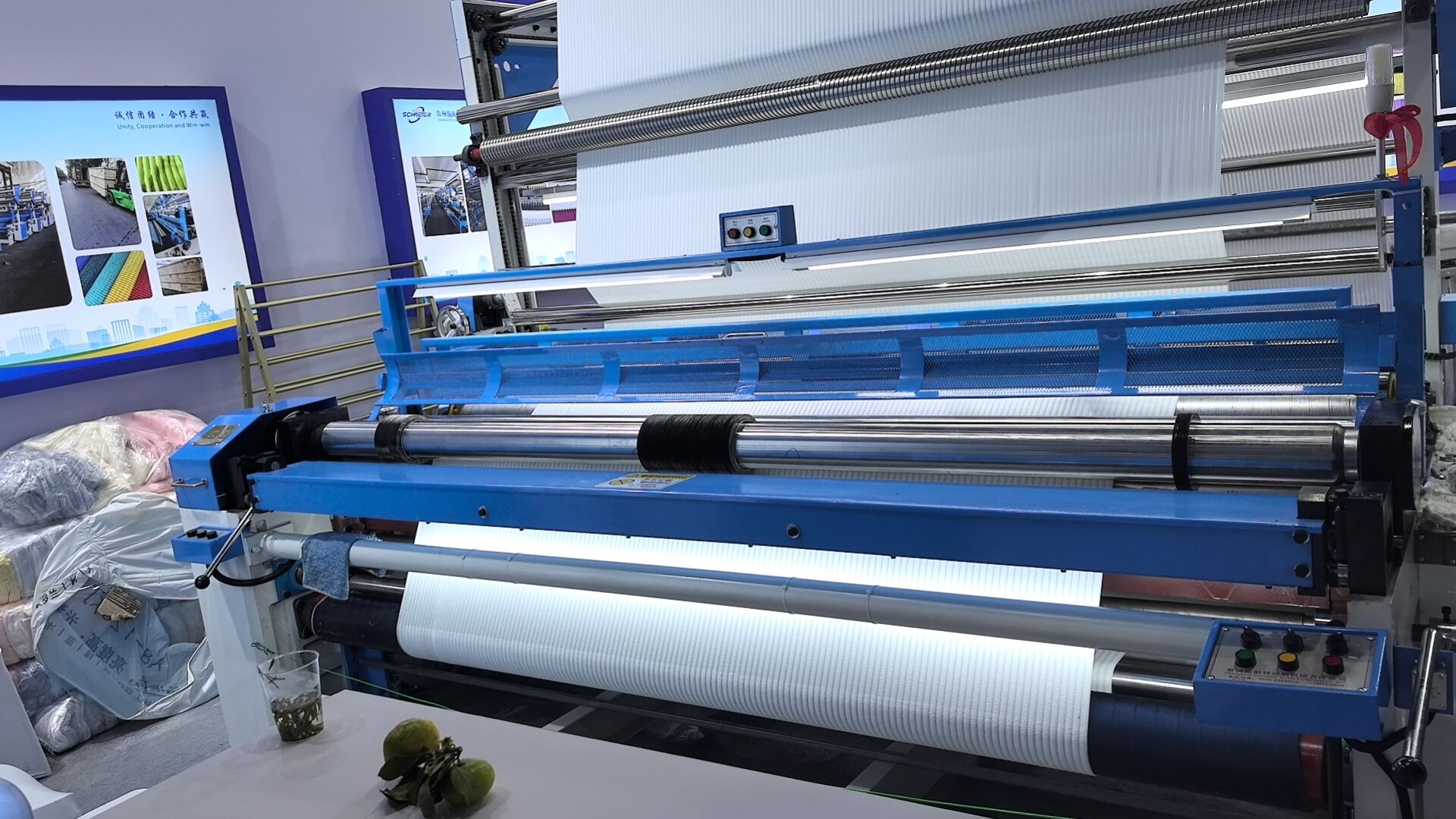
Resource Efficiency: Water and Energy Reduction in Modern Fabric Finishing Machines
Closed-loop rinse systems: achieving 30–50% water reduction without compromising finish quality
The latest fabric finishing equipment now comes equipped with closed-loop rinse systems that actually recycle water through several processing stages. These systems can slash fresh water consumption anywhere from 30 to maybe even 50 percent without messing up the delicate balance of chemicals needed for good quality finishes. Traditional dyeing methods used something like 150 liters of water for every kilogram of fabric processed back in the day. With modern systems, though, sensors monitor and control the recycling process, so there's no residue buildup. The result? Fabrics maintain their vibrant colors longer and have that nice soft hand feel customers expect from premium products.
Infrared and low-temperature stenters: cutting thermal energy demand by up to 40%
The latest drying systems mix infrared preheating with gentle air circulation to cut down on thermal energy consumption by around 40%. These systems focus heat right onto the fabric fibers instead of heating up the whole room, which saves energy while keeping production speeds steady. Most modern stenters work below 110 degrees Celsius, preserving the quality of fabrics during processing. They also help factories switch between different styles faster and produce fewer emissions during what remains one of the most power hungry parts of textile finishing operations. For manufacturers looking to balance efficiency with environmental concerns, this technology represents a real breakthrough.
Precision Chemical Application: Spray Systems vs. Conventional Pad Dyeing
Reduced chemical overspray and auxiliary use (25–35%) via intelligent spray-based fabric finishing machines
Intelligent spray-based fabric finishing machines replace saturated pad-dyeing with precision nozzle arrays that apply chemistry only where needed. This eliminates excess liquor, cutting auxiliary chemical use and overspray by 25–35%. The result is lower chemical costs, reduced wastewater load, and unchanged finish quality—no trade-off between efficiency and performance.
Real-world validation: Monforts EcoStar spray stenter deployment at a European denim mill
A European denim mill adopted the Monforts EcoStar spray stenter and achieved 30% less water use and 25% lower energy consumption versus conventional lines—while meeting strict color consistency requirements. Faster setup, reduced chemical purchases, and lower wastewater treatment costs delivered ROI within 18 months.
Enabling Eco-Chemistry: Integration of Fabric Finishing Machines with Sustainable Formulations
Baldwin TexCoat G4 co-engineered with Archroma waterborne finishes for VOC-free functional treatments
The latest fabric finishing technology, including models like the Baldwin TexCoat G4, makes it possible to apply water-based finishes from Archroma without any volatile organic compounds getting into the mix. When manufacturers work together on both the machine hardware and the chemical solutions, they can achieve precise application methods. The system adjusts nozzles in real time based on how porous different fabrics are, plus it uses special formulas that contain much less moisture than traditional ones, cutting down on heat treatment needs by around 40%. There's also a closed loop system that catches and reuses leftover chemicals instead of letting them go to waste. This not only keeps groundwater clean but cuts overall chemical waste between 25% and 35%, all while maintaining the same level of performance that textile producers expect from their finishing processes.
Beyond Chemistry: Chemical-Free Finishing Powered by Smart Fabric Finishing Machines
Plasma, ozone, and laser technologies—machine-driven alternatives eliminating water, heat, and hazardous chemicals
The latest smart fabric finishing equipment can actually run completely without chemicals thanks to advances in plasma technology, ozone treatments, and laser applications. When fabrics go through plasma treatment, the surface gets altered by ionized gas which helps them take dyes better, become water repellent, and gain those antimicrobial qualities all without needing any water or solvent solutions. For ozone, it basically takes the place of traditional bleach baths through oxidation processes. And then there are lasers that handle things like surface roughening and pattern creation while using about 60 percent fewer resources overall. Putting these together means factories produce almost no wastewater anymore and save somewhere between 30 to 50 percent on their energy bills. What we're seeing here is a fundamental shift in how textiles get finished, moving away from relying on chemical reactions toward purely physical methods, which makes large scale sustainable manufacturing much more achievable for the industry.
FAQ
What is a closed-loop rinse system in fabric finishing?
A closed-loop rinse system is a method of recycling water within fabric finishing processes, reducing fresh water consumption while maintaining finish quality.
How do infrared stenters contribute to energy efficiency?
Infrared stenters focus heat directly onto fabric fibers, reducing overall thermal energy demand and minimizing emissions.
What advantage do spray systems offer over conventional pad dyeing?
Spray systems provide precision chemical application, reducing overspray and auxiliary chemical use by up to 35% compared to traditional methods.
Can fabric finishing be chemical-free?
Yes, advancements in plasma, ozone, and laser technologies enable chemical-free fabric finishing while reducing energy and resource consumption.
Table of Contents
- Resource Efficiency: Water and Energy Reduction in Modern Fabric Finishing Machines
- Precision Chemical Application: Spray Systems vs. Conventional Pad Dyeing
- Enabling Eco-Chemistry: Integration of Fabric Finishing Machines with Sustainable Formulations
- Beyond Chemistry: Chemical-Free Finishing Powered by Smart Fabric Finishing Machines
- FAQ