 EN
EN



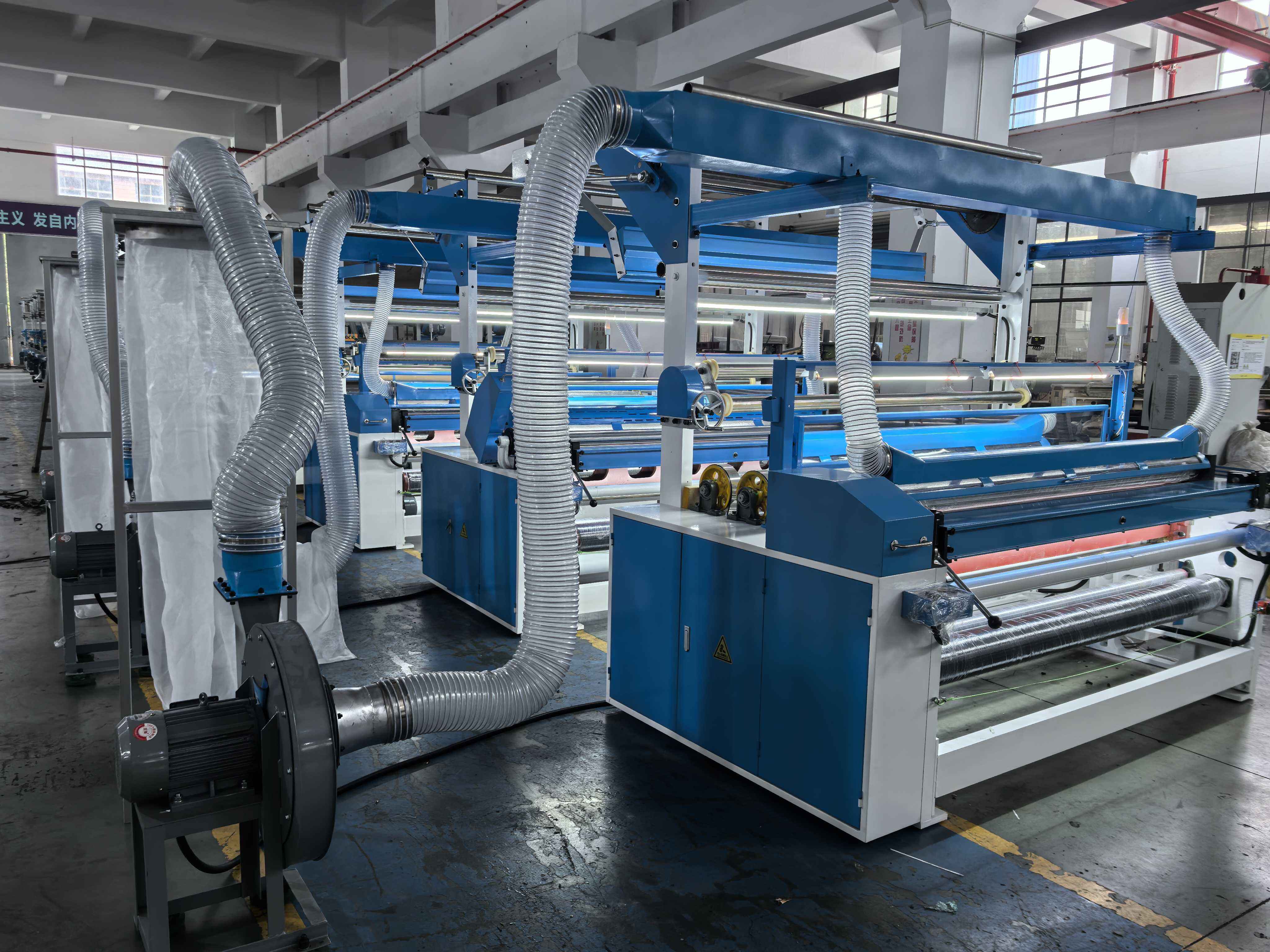
Accelerating Throughput with Automatic Fabric Finishing Machines
Reduced Cycle Time via Precision Motion Control and Integrated Drying
The latest generation of automatic fabric finishing equipment cuts down on processing time quite substantially, around 30 to 40 percent actually, bringing batch completion from about 90 minutes down to just 55 minutes. These machines combine precise motion controls with built-in drying functions all within one continuous operation. The high resolution servo motors keep the fabric properly tensioned during the entire treatment process, which means we see fewer issues with alignment problems that would otherwise require going back and fixing things. At the same time, the infrared drying tech works within safe temperature ranges for fibers, so it manages to cut moisture removal time almost in half without affecting either the fabric's strength or its overall feel when touched. By having everything integrated together like this, there's no need to move materials between different machines anymore. This saves thermal energy and keeps production running smoothly without interruptions. As a result, factories can produce more each day while still maintaining consistent quality finishes across all products, something confirmed through recent studies published by the Textile Engineering Society last year.
Real-Time Process Optimization Using Sensor-Driven Closed-Loop Feedback
Sensors connected to the internet track more than 15 important factors like temperature changes, chemical levels, and how tightly threads are packed together. These sensors send information straight to control systems that can tweak processes almost instantly. Take cotton fabric production for instance. When sensors pick up on inconsistent moisture absorption, special nozzles automatically adjust where they spray water so defects don't happen in the first place. The Smart Manufacturing Institute reported in their 2023 studies that these smart adjustments stop about 9 out of 10 problems during manufacturing, cutting down waste and keeping product quality consistently high around 98%. Behind all this is machine learning software that keeps getting better at fine tuning settings between different production runs, which means factories save money over time without anyone needing to manually reset machines every day.
Lowering Operational Costs Through Automated Fabric Finishing
Labor Savings, Energy Efficiency, and Waste Reduction in Tandem
When it comes to fabric finishing, automation brings real money savings by optimizing three key areas at once: labor, energy, and materials. Most factories see around a 30 to 50 percent drop in their finishing labor needs, which means workers can be moved to jobs that actually add value for the business, such as checking quality or tweaking production processes. The thermal and pressure controls powered by sensors slash utility bills by about 25% when compared to older methods. At the same time, accurate chemical measurements and better fabric handling cut down on wasted raw materials somewhere between 15% and 20%. All these improvements combine to lower expenses across multiple fronts right from the start, cutting down on payroll costs, electricity spending, and what gets thrown away as scrap.
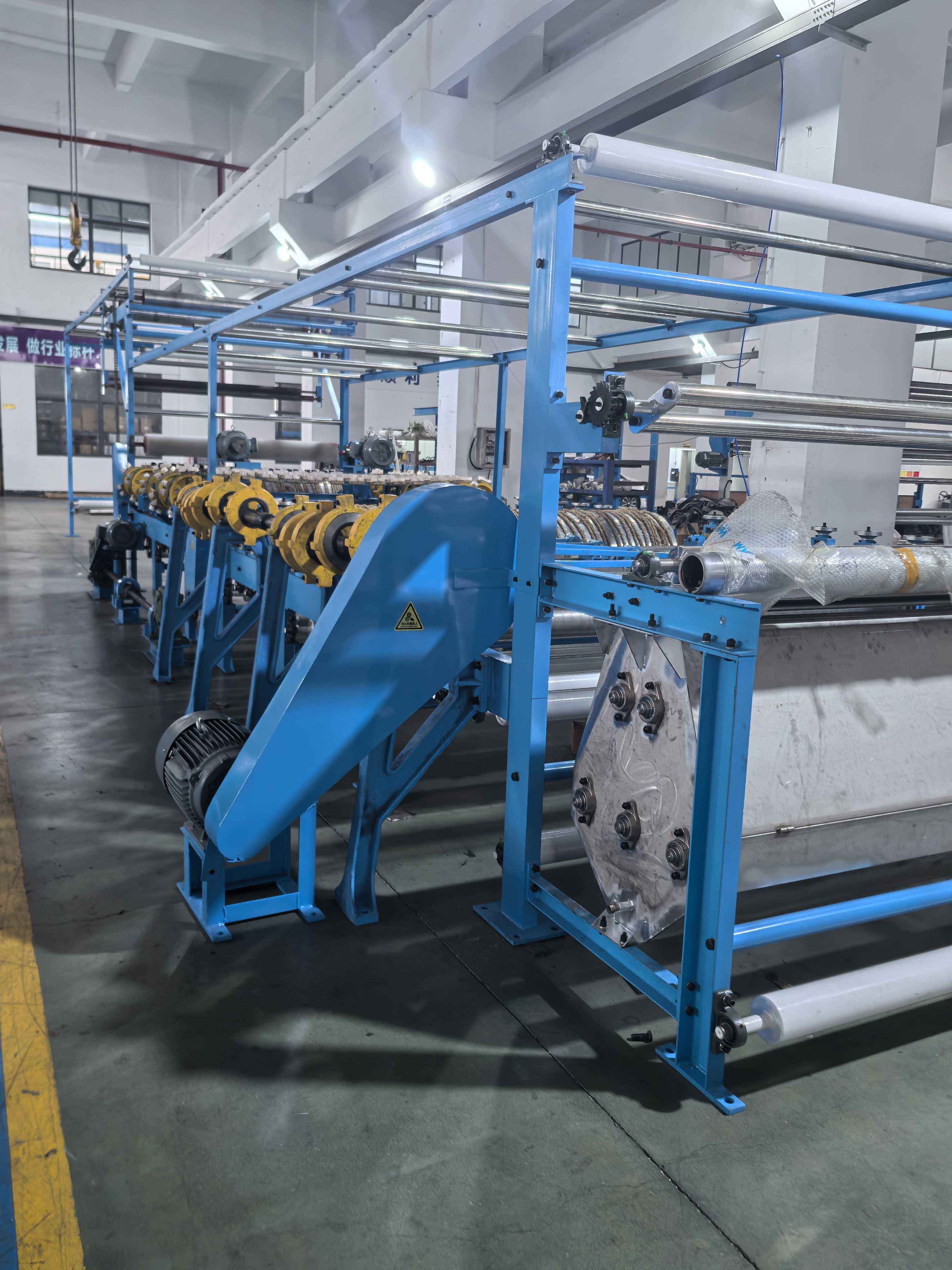
Proven ROI: <18-Month Payback for Mid-Scale Garment Factories
Mid-sized garment manufacturers (200–500 employees) achieve full ROI on automated finishing systems in under 18 months. Industry data shows the following average reductions drive rapid payback:
| Cost Factor | Average Reduction | Impact Period |
|---|---|---|
| Labor expenses | 40% | Immediate |
| Energy consumption | 28% | Monthly |
| Material waste | 18% | Per-batch |
Combined with 30% faster throughput and a 22% drop in defect rates, these gains accelerate cash flow recovery. A Vietnamese sportswear factory attributed 60% of its 14-month ROI directly to automated finishing—demonstrating how targeted automation delivers strategic financial leverage amid tightening global margins.
Scalable Automation: Retrofitting and Adoption for Small Factories
Modular Automatic Fabric Finishing Machines for Legacy Line Integration
Small textile operations can now bring automation onboard step by step thanks to modular finishing systems. Factories don't need to rip out whole production lines just to upgrade specific parts like dryers or coating units. The standardized PLC interfaces work with most existing machinery on site, so there's little if any downtime during installation and companies aren't risking big chunks of capital all at once. Real world results show something pretty impressive too. Plants that started early saw anywhere from 20 to 30 percent boost in output for each module they added. And about seven out of ten of those same facilities went on to expand their automated setups within two years once they'd seen actual returns on investment. What makes these systems really valuable is how they turn expensive fixed assets into flexible production networks that respond to market demands. This means businesses can grow their capacity without stretching operations beyond what makes sense financially.
Balancing Upfront Investment Against Long-Term Competitiveness
Facilities that handle over 5,000 yards per month usually see their money back on modular finishing systems within two years. Sometimes even faster if they consider all those extra savings too. Labor costs drop significantly, sure, but there's more going on. Better moisture control means plants can save between 15% to 25% on energy bills. And when chemicals are applied precisely instead of wasted, factories cut their chemical usage by around 40%. Want to make sure this investment works out? Work with suppliers who actually guarantee results based on real metrics they track together. Things like fewer defects, consistent product quality from one batch to another, and stable production speeds matter a lot here. Small textile shops often hit the break even point before 18 months pass once they factor in everything saved from avoiding rework, lower utilities, and better material usage. That kind of quick return makes all the difference in an industry where margins are razor thin and change happens fast.
Frequently Asked Questions (FAQ)
How do sensor-driven feedback systems enhance manufacturing?
Sensor-driven feedback systems provide real-time data to control systems, enabling instant adjustments during production. This technology reduces defects, enhances quality, and minimizes waste, leading to increased efficiency and reduced operational costs.
Can small factories benefit from modular automation systems?
Yes, small factories can benefit greatly by gradually integrating modular automation systems. These systems allow factories to upgrade parts of production lines without significant downtime or capital risk, leading to enhanced output and competitive advancements.
What is the ROI timeline for implementing automated finishing systems?
Mid-sized garment factories typically achieve full ROI within 18 months, driven by reduced labor expenses, energy consumption, and material waste. Smaller operations can also expect ROI within two years due to savings in these areas.
How does automation impact global textile industry margins?
Automation helps textile factories enhance productivity, reduce defects, and lower costs, leading to better margins. The strategic use of automated finishing systems provides a financial edge in the competitive global market.
What are the benefits of automatic fabric finishing machines?
Automatic fabric finishing machines offer reduced cycle times, improved quality control, energy efficiency, and cost savings. They allow for consistent product finishes and fewer defects through integrated technology and precise controls.
Table of Contents
- Accelerating Throughput with Automatic Fabric Finishing Machines
- Lowering Operational Costs Through Automated Fabric Finishing
- Scalable Automation: Retrofitting and Adoption for Small Factories
-
Frequently Asked Questions (FAQ)
- How do sensor-driven feedback systems enhance manufacturing?
- Can small factories benefit from modular automation systems?
- What is the ROI timeline for implementing automated finishing systems?
- How does automation impact global textile industry margins?
- What are the benefits of automatic fabric finishing machines?