 EN
EN



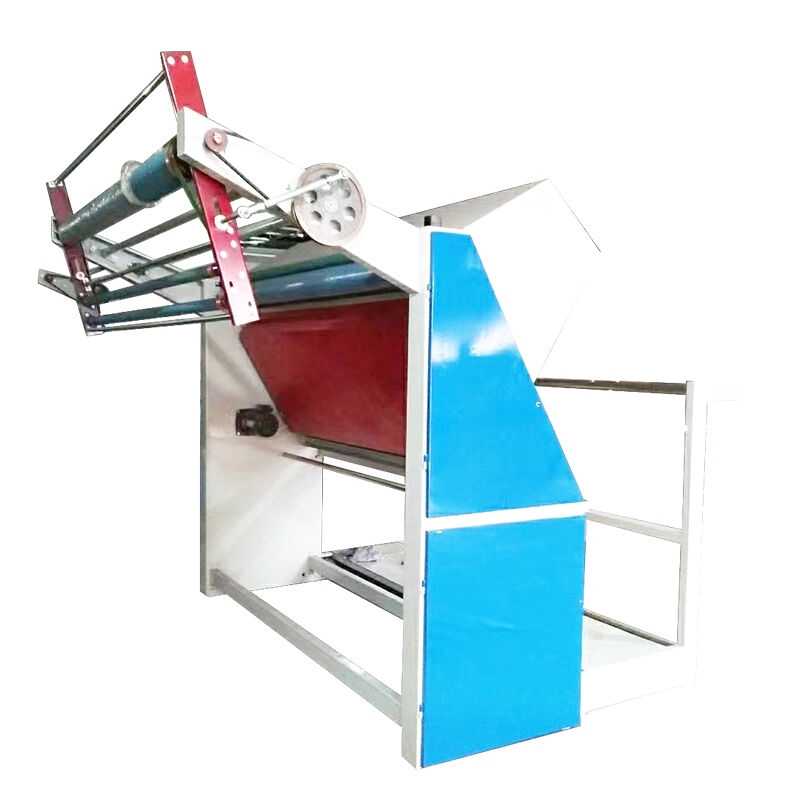
The Fundamental Working Principle of Fabric Finishing Machines
Energy Conversion: Transforming Thermal, Mechanical, and Electrical Inputs into Controlled Fabric Modification
Fabric finishing machines work by turning different types of energy into changes that improve how fabrics look and perform without damaging them. When it comes to synthetic materials like polyester, heat actually rearranges the long molecules inside, which helps keep the fabric from stretching out over time. Rollers apply pressure that changes how the fabric feels on the surface and affects how tightly packed the fibers are together. Electrical components run the small motors and sensors that let operators adjust settings on the fly. Getting the balance right matters a lot. If there's too much heat, the fibers can break down. Not enough pressure means the finish won't be consistent across all the fabric. Today's machines manage energy pretty well, typically within about 2% efficiency thanks to features that capture wasted heat and reuse it. What makes this process valuable is that it doesn't ruin what makes fabrics special in the first place. Cotton becomes resistant to wrinkles without losing strength, and polyester holds its shape better because we can control how it forms crystals during processing.
Critical Process Parameters: Tension, Temperature, Speed, and Contact Pressure in Synchronized Control
The finishing quality depends on four main factors working together: tension which affects how much fabric stretches, temperature that activates molecules, speed determining exposure time, and contact pressure for surface penetration. When these elements work in harmony, defects get avoided. If tension is off, fabrics tend to pucker. Problems also arise when speed doesn't match temperature levels, sometimes cutting dye fixation rates down by as much as forty percent. Modern systems use closed loop sensors to watch all these variables constantly, allowing quick fixes. Pressure rollers can adjust themselves again in half a second or so to keep things consistent throughout production runs. Take sanforization for instance. The process needs around fifteen to twenty five percent compression across the fabric while maintaining temperatures between 120 and 160 degrees Celsius to minimize shrinkage below one percent after treatment. According to what manufacturers report, keeping these parameters balanced cuts down on wasted materials about eighteen percent better than older methods where operators had to manage everything manually or through basic automated systems.
Key Mechanical Finishing Methods in Fabric Finishing Machines
Fabric finishing machines employ distinct mechanical processes to enhance textile properties without chemical additives. These physical techniques alter fabric structure through calibrated force application.
Calendering and Shearing: Achieving Surface Uniformity Through Roll Geometry and Precision Blade Action
The calendering process works by running fabric through heated rollers that have been engraved with specific patterns. These rollers apply pressure as they go, which changes how the fabric feels on the surface. Some fabrics come out super smooth and shiny while others get those cool textured patterns we see on things like leather jackets. Meanwhile, shearing cuts away at loose fibers on fabric surfaces using special blades that move back and forth at an angle. This trims all those little fiber bits so they're even in height, getting rid of those annoying pills that form over time and making sure the fabric looks neat and tidy. When manufacturers combine both techniques during production, they can consistently make different types of fabrics for their customers. Think about how some stores sell really shiny satin materials next to soft fleece blankets that feel exactly the same every time you touch them.
Sanforization: Dimensional Stability via Rubber Blanket–Felt Compression and Relaxation Dynamics
Sanforization works by preventing clothes from shrinking after they're bought, thanks to something called a mechanical memory effect. The fabric goes through a machine with a hot cylinder and a stretched rubber blanket, which squishes the fibers tighter than they would normally be. When this happens, there's controlled relaxation so the fabric can bounce back a bit, but not all the way — this permanently cuts down on how much it might shrink later. Cotton fabrics really need this treatment because when cotton changes size too much, about 40% of returned clothing items are actually due to this problem according to what the industry sees. The special combination of rubber and felt in these machines makes sure everything behaves predictably every time, meeting those tight standards manufacturers have for making sure garments fit properly from factory to customer.
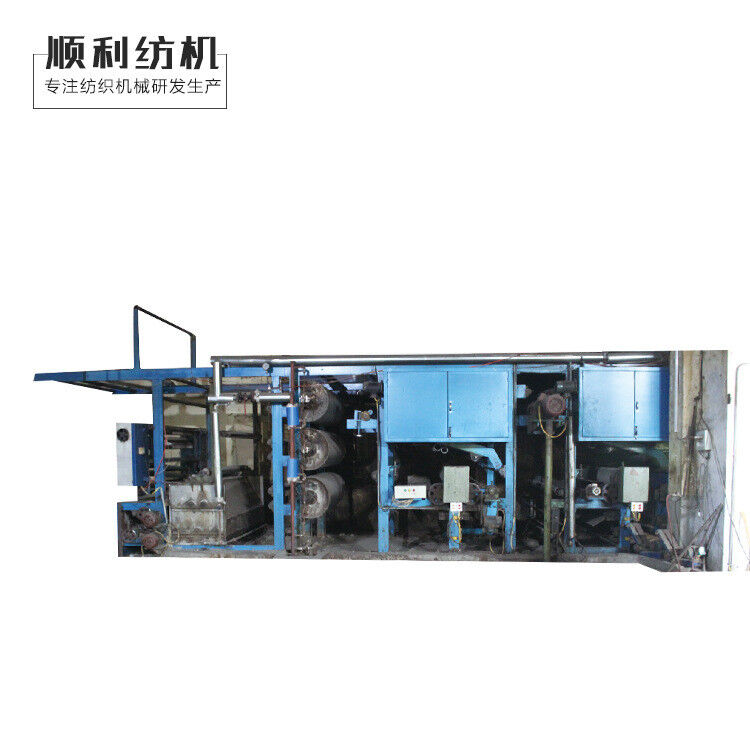
Thermal and Advanced Surface Modification Techniques
Heat Setting: Crystalline Reorganization in Synthetic Fibers Under Constrained Thermal Conditions
The process of heat setting helps stabilize synthetic materials such as polyester fabric. This is done by applying heat beyond what's called the glass transition temperature (Tg), usually somewhere between 200 and 250 degrees Celsius, all while keeping the material under tension. When exposed to these temperatures within this narrow range, the long polymer molecules start rearranging themselves into more organized crystal formations. These new structures essentially lock the fabric into place, stopping it from shrinking after being washed or worn over time. However there are limits here. If the temperature gets too high for too long, we can lose around 30 percent of the fabric's strength. That's why textile makers carefully adjust both how hot they get and how long they hold those temperatures based on exactly what kind of fibers they're working with in each batch.
Plasma, Corona, and Flame Treatments: Non-thermal Activation for Enhanced Wettability and Bonding
Atmospheric plasma treatment, corona discharge techniques, and controlled flame applications all work to modify fabric surfaces without causing heat damage. When ionized gas comes into contact with materials, it basically roughens up the surface at microscopic levels and leaves behind special chemical groups that make fabrics more water friendly. This process can cut down water contact angles anywhere from about 40 degrees to maybe even 60 degrees, which means dyes stick better during manufacturing. For composite materials, corona discharge helps create stronger bonds between layers. And when manufacturers give polyolefin materials a quick pass through a flame, they actually increase how well coatings will adhere later on. These approaches not only make surfaces more water loving but also strengthen connections between different material layers. The best part? They replace traditional chemical baths that require lots of water and harsh substances, making production cleaner overall for both workers and the environment.
Smart Integration: Coating, Monitoring, and Closed-Loop Control in Modern Fabric Finishing Machines
Today's fabric finishing equipment incorporates Industry 4.0 tech in ways that transform three key areas: applying coatings with pinpoint accuracy, keeping tabs on conditions throughout production, and making automatic adjustments as needed. These machines have smart applicators that constantly tweak the thickness and spread of coatings while they work, which means factories waste about 15-20% fewer chemicals compared to when workers apply them manually. Sensor arrays monitor everything from dampness levels to heat variations and fabric tension, sending all this info to control panels where operators can spot problems right away. What makes these systems really stand out is their ability to learn and adapt. When something goes off track, machine learning software figures out what's wrong and tweaks the heating elements, roller settings, and material feed speed almost instantly, all while keeping output quality high even at blistering speeds over 45 meters a minute. The bottom line? Factories save money on energy bills, avoid costly shutdowns thanks to early warning systems that cut unexpected stoppages down by around 30%, and achieve real environmental improvements simply by using resources smarter during production runs.
FAQ Section
How do fabric finishing machines achieve a balance in processing?
They adjust parameters like tension, temperature, speed, and contact pressure to ensure optimal performance, using sensors for real-time monitoring and adjustments.
What role does heat setting play in fabric finishing?
Heat setting stabilizes synthetic fibers, ensuring they maintain their shape and size after washing by reorganizing polymer crystals under controlled temperatures.
Why is sanforization important for cotton fabrics?
Sanforization prevents excessive shrinkage in cotton fabrics after purchase, maintaining garment size and reducing return rates.
How do advanced surface modification techniques benefit fabric finishing?
These techniques enhance wettability and bonding without heat damage, improving dye adherence and inter-material bonding, reducing water and chemical usage.
What is the primary function of fabric finishing machines?
Fabric finishing machines are designed to enhance the quality, appearance, and performance of fabrics through processes like energy conversion, mechanical finishing methods, and advanced surface modification techniques.
Table of Contents
- The Fundamental Working Principle of Fabric Finishing Machines
- Key Mechanical Finishing Methods in Fabric Finishing Machines
- Thermal and Advanced Surface Modification Techniques
- Smart Integration: Coating, Monitoring, and Closed-Loop Control in Modern Fabric Finishing Machines
-
FAQ Section
- How do fabric finishing machines achieve a balance in processing?
- What role does heat setting play in fabric finishing?
- Why is sanforization important for cotton fabrics?
- How do advanced surface modification techniques benefit fabric finishing?
- What is the primary function of fabric finishing machines?