 EN
EN



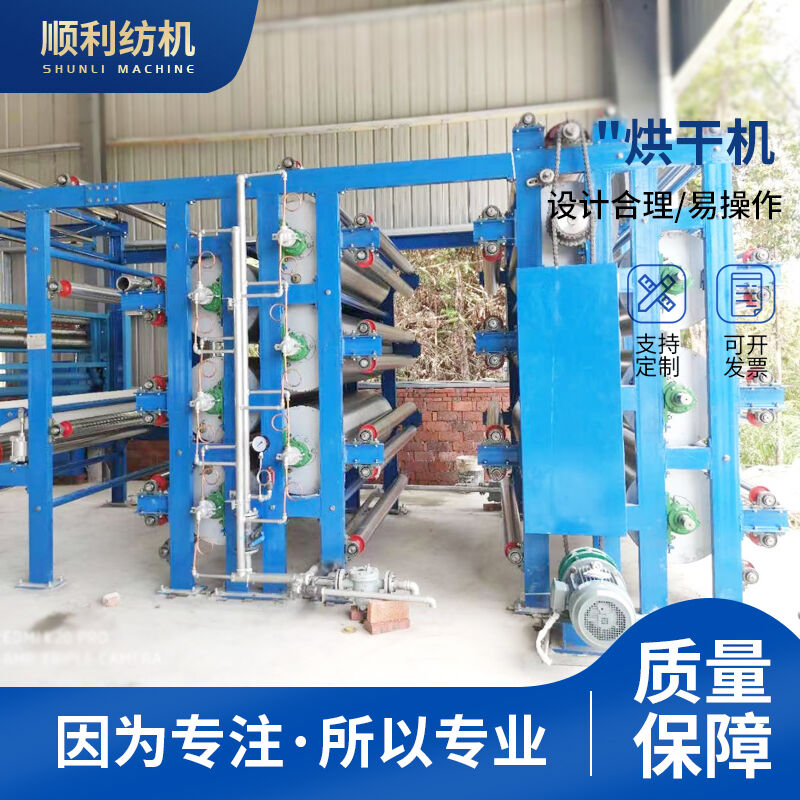
Align Fabric Finishing Machine Selection with Production Requirements
Matching Output Capacity, Fabric Types, and Quality Targets to Machine Specifications
Picking out the correct fabric finishing equipment isn't something that happens by accident. There are basically three main things manufacturers should consider when making this decision. Let's start with how much stuff needs to be processed. Big factories running at full blast usually want machines that can handle over 200 meters per minute, but smaller shops might actually get better results from machines that offer more adjustment options rather than just going for top speed all the time. Next comes figuring out what kind of fabrics will run through the system. Silky materials need gentle handling with tension below 5 Newtons, while tough denim requires heavy-duty rollers built to withstand pressures approaching 50 tons. The third consideration is about meeting quality standards. Getting that Class 1 rating for pilling resistance means getting those shearing angles just right, and keeping colors from fading depends on maintaining temperature zones within a tight +/- 2 degree range. One major textile company saw their first pass success rate jump by nearly 40% after switching to modular finishing systems that could adjust to different fabric weights and finish requirements. Before buying any new equipment, it's wise to test it with actual production samples instead of relying solely on spec sheets from suppliers.
Evaluating Multi-Function vs. Single-Process Fabric Finishing Machines for Operational Flexibility
When deciding between multi-function and single-process finishing equipment, what really matters are the day-to-day needs of the operation rather than just looking at what each machine can do. The multi-function systems we see these days, take those brushing shearing combos for instance, save shops about half their changeover time while taking up less room on the factory floor. That makes sense for operations dealing with all sorts of different small batches. But there's a trade-off here too. These combined units usually run around 15 to 20 percent slower compared to machines built specifically for one task. On the flip side, single-process machines offer something else entirely when it comes to precision work. Take calendering units for example, some models can maintain a consistent 0.01mm gloss level across luxury fabric runs. For industries where specifications matter most, like producing medical-grade textiles or technical sportswear, this kind of accuracy simply cannot be compromised.
- Product variability: Facilities managing >10 fabric changes weekly gain the most from multi-function adaptability
- Quality thresholds: Applications demanding strict dimensional stability or chemical compliance often require dedicated sanforizing or steaming systems
-
Scalability: Modular single-process lines support incremental capacity expansion without full-line overhauls
Operational data indicates that facilities processing under 5,000 meters daily achieve 23% higher ROI with multi-function setups, while larger mills prioritize specialized performance and long-term process control.
Compare Key Fabric Finishing Machine Types by Function and Performance Outcome
Calendering, Singeing, and Sanforizing Machines: Achieving Gloss, Safety, and Dimensional Stability
The calendering process squashes fabric between hot rollers which gives it those smooth surfaces and shiny finish we all love. This also makes fabrics hang better on clothes racks, while making them thinner by around 15 to 30 percent. Then there's singeing where manufacturers burn off loose fibers using carefully controlled gas flames. Not only does this cut down on fire hazards, but synthetic fabrics take dyes much better afterward too. For preventing unwanted shrinking, sanforizing comes into play. It basically steams and presses the fabric so it only shrinks about 1% after regular washing at home something every clothing manufacturer wants to hit when making durable garments. When textile companies run these three steps together in order, they end up with fabrics that look great and stay the same size wash after wash. According to some recent studies published last year in Textile Quality Journal, combining these methods cuts down on quality issues after production by roughly 40% compared to doing just one treatment alone.
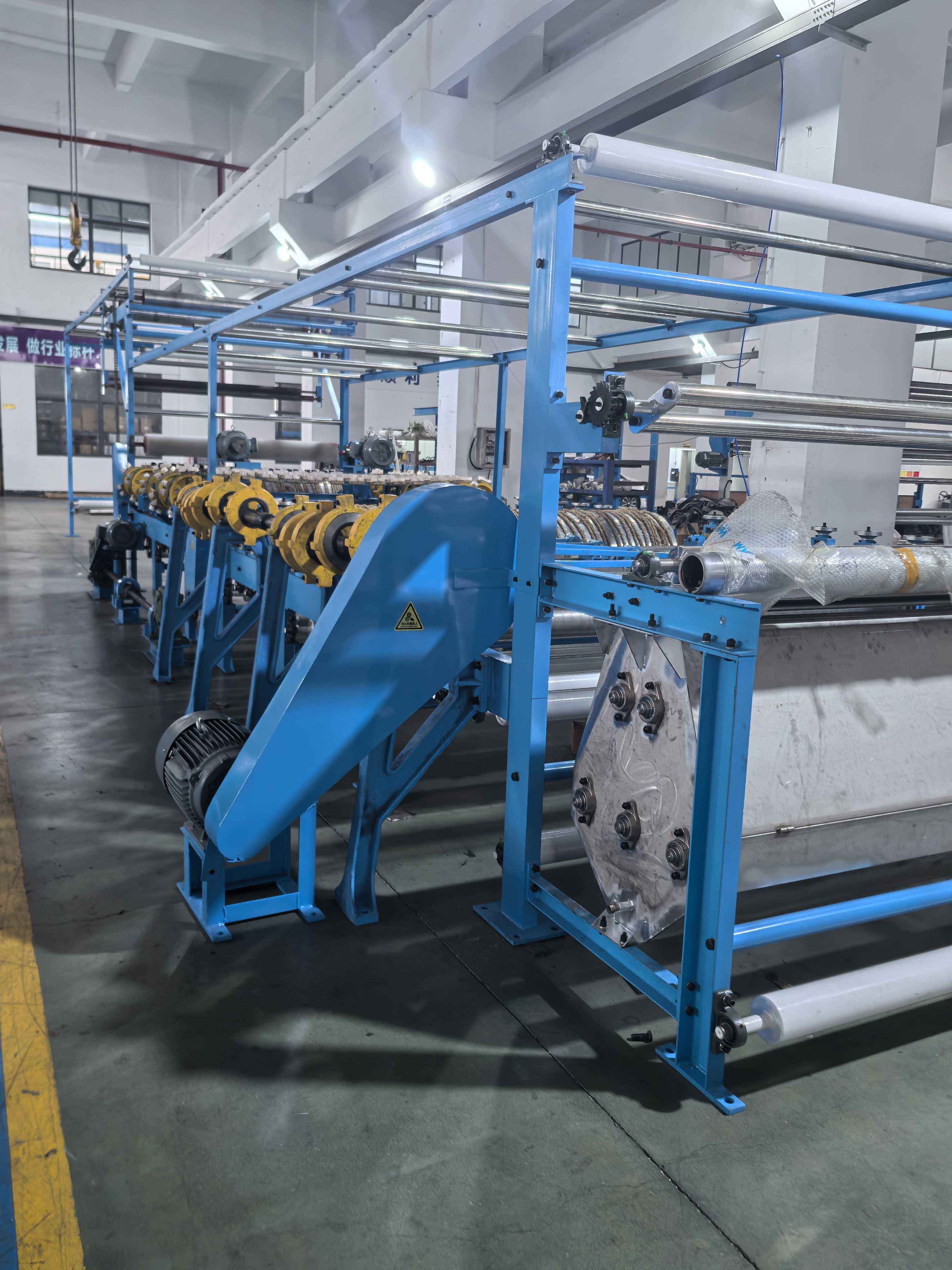
Brushing, Sueding, and Shearing Machines: Enhancing Surface Texture and Pilling Resistance
The brushing process lifts those little fiber ends with spinning wire brushes, giving fabrics that soft, fluffy feel we all love. Cotton and wool blends really benefit from this treatment. Then there's sueding which uses rough rollers to create those tiny, fuzzy textures similar to peach skin. Great stuff for making microfiber couch covers or sportswear that feels amazing against the skin. Both methods work wonders for keeping us warm and helping sweat escape faster, probably around 20-25% better at moving moisture away thanks to all those tiny air pockets formed during processing. Shearing comes next, trimming down those raised fibers with spiral cutting blades so everything looks neat and even. This step matters a lot for materials like velvet, corduroy, and fancy knits where appearance counts. Fabrics treated this way just don't pill as quickly either. Tests following industry standards show they stay looking good about five times longer than regular untreated fabric. Looking at machinery? Go for models with adjustable speed controls and tension systems that can handle both delicate knits and heavy woven fabrics without damaging them.
Evaluate Sustainability, Automation, and Compliance Features in Modern Fabric Finishing Machines
Water-Efficient, Low-Chemical, and Energy-Smart Fabric Finishing Machine Technologies
Sustainability isn't something companies can ignore anymore. It's actually built right into the latest generation of finishing equipment these days. Take closed-loop water systems for example. They slash water use somewhere between 30 to 50 percent. And those low liquor ratio designs? They manage to cut down on chemicals by around 40% without messing with the final product quality at all. Energy savings have come a long way too. Heat recovery systems now grab about 70% of what would otherwise go out the exhaust pipe as waste heat. Plus, brushless servo motors eat up roughly 25% less electricity compared to old-school induction drives. All these improvements make it easier to get LEED certification, help manufacturers meet their circular economy targets, and comply with stricter regulations like the EU's new 2023 rule that forces textile processors to install microplastic filters in their wet processing lines.
Smart Controls, IoT Integration, and Regulatory Readiness (OEKO-TEX®, REACH, ISO)
When it comes to finishing processes, automation takes things way beyond what humans can manage manually. With smart IoT sensors now part of the system, we're able to track chemical dosing accuracy within ±1.5%, check temperature consistency across batches, and keep tabs on energy usage as it happens. All this data gets fed into central dashboards where operators can see exactly what's going on and make adjustments before problems arise. The system cuts down on wasted materials and saves money in the long run. For compliance, there are blockchain modules that handle all the paperwork automatically. They make sure everything meets OEKO-TEX Standard 100 requirements, stays within REACH limits for harmful substances, and complies with ISO 14001 environmental guidelines. What used to take days of manual record keeping is now ready for audits in just minutes. This not only reduces mistakes but also keeps products flowing smoothly through markets around the world despite constantly changing regulations.
FAQ Section
1. What are key factors to consider when selecting a fabric finishing machine?
Key factors include output capacity, fabric types, quality standards, and production sample testing to ensure the equipment meets specific requirements.
2. How do multi-function fabric finishing machines benefit operations?
Multi-function machines save changeover time, require less floor space, and are ideal for operations handling various small batches, although they may run slightly slower compared to single-process machines.
3. What processes do fabric finishing machines like calendering and singeing perform?
Calendering smooths fabric surfaces for gloss and thinner appearance, while singeing removes loose fibers, improving dye uptake in synthetic fabrics. Sanforizing prevents shrinkage after washing.
4. How do modern fabric finishing machines promote sustainability?
They incorporate closed-loop water systems, low liquor ratio designs, and energy-efficient components like heat recovery systems and brushless servo motors to reduce water usage, chemical inputs, and energy consumption.