 EN
EN



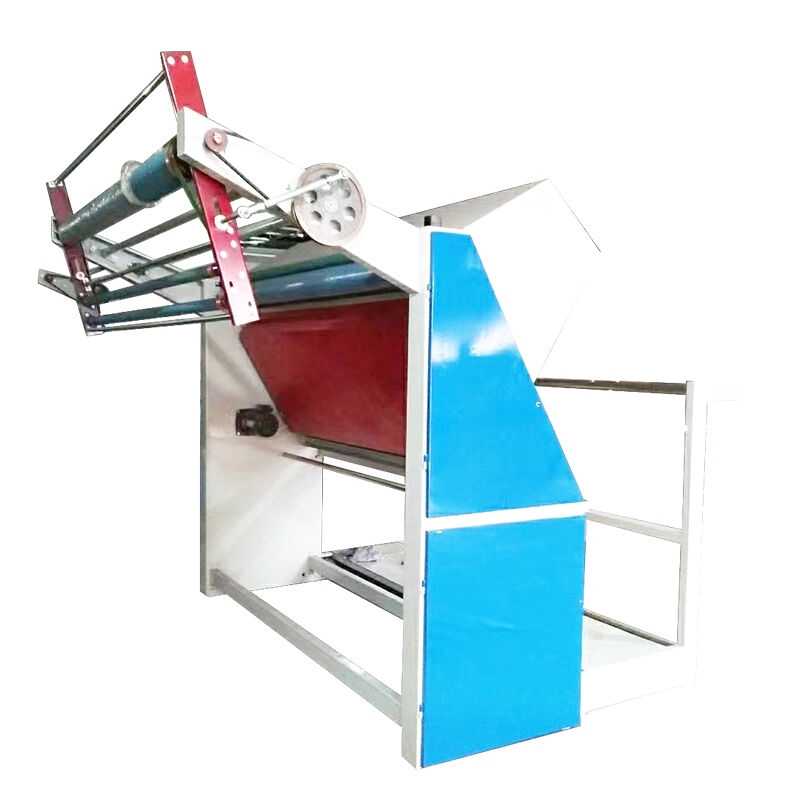
Mechanical Fabric Finishing Machines: Building Texture Through Precision Processing
Calendering & Embossing Machines: Achieving Surface Smoothness and Dimensional Texture
Fabric calendering involves running materials through heated steel rollers under controlled pressure around 150 to 200 degrees Celsius, sometimes reaching as much as 100 tons of force. These machines press down on fibers to create smooth finishes or specific textures such as crocodile grain patterns without damaging the material itself. The process actually improves how fabrics hang on bodies, reflects light better, and creates a more even surface across the entire piece. For high end clothing and specialized technical fabrics, this kind of consistency in appearance is absolutely essential since customers expect nothing less than perfection in their final products.
Napping, Brushing, and Shearing Machines: Engineering Softness, Loft, and Uniform Surface Integrity
Napping machines work by lifting those tiny fiber ends using spinning wire brushes, which creates this nice fluffy surface that actually makes fabrics warmer. Tests show this can boost insulation properties by around 30% compared to regular untreated fabric. After napping comes shearing, where they cut back those raised fibers to specific lengths somewhere between half a millimeter all the way up to 5 mm. This trimming helps get rid of those annoying little pills that form over time while keeping the fabric consistent throughout. The combination gives textiles that super soft feel similar to velvet without making them weak or fragile. These techniques are pretty much required nowadays for making quality sportswear that performs well during workouts and also for furniture covers that need to last through years of daily use.
Thermal and Chemical Fabric Finishing Machines: Elevating Visual Appeal and Functional Aesthetics
Heat-Setting Machines: Ensuring Dimensional Stability and Crinkle Effect Consistency
Heat setting machines basically set synthetic fibers like polyester and nylon into their final shape by applying carefully measured heat. What this does is stop those annoying shrinks that happen after washing or when exposed to heat, so clothes keep their original size throughout their lifetime. When manufacturers want that crinkled look, they compress the fabric between 150 to maybe around 180 degrees Celsius before quickly cooling it down, which creates those consistent texture patterns we see on garments. According to research published last year in the Textile Research Journal, this whole stabilization process cuts down on pilling and distortion issues by roughly 40 percent. That means clothes last longer functionally and maintain their intended appearance wash after wash.
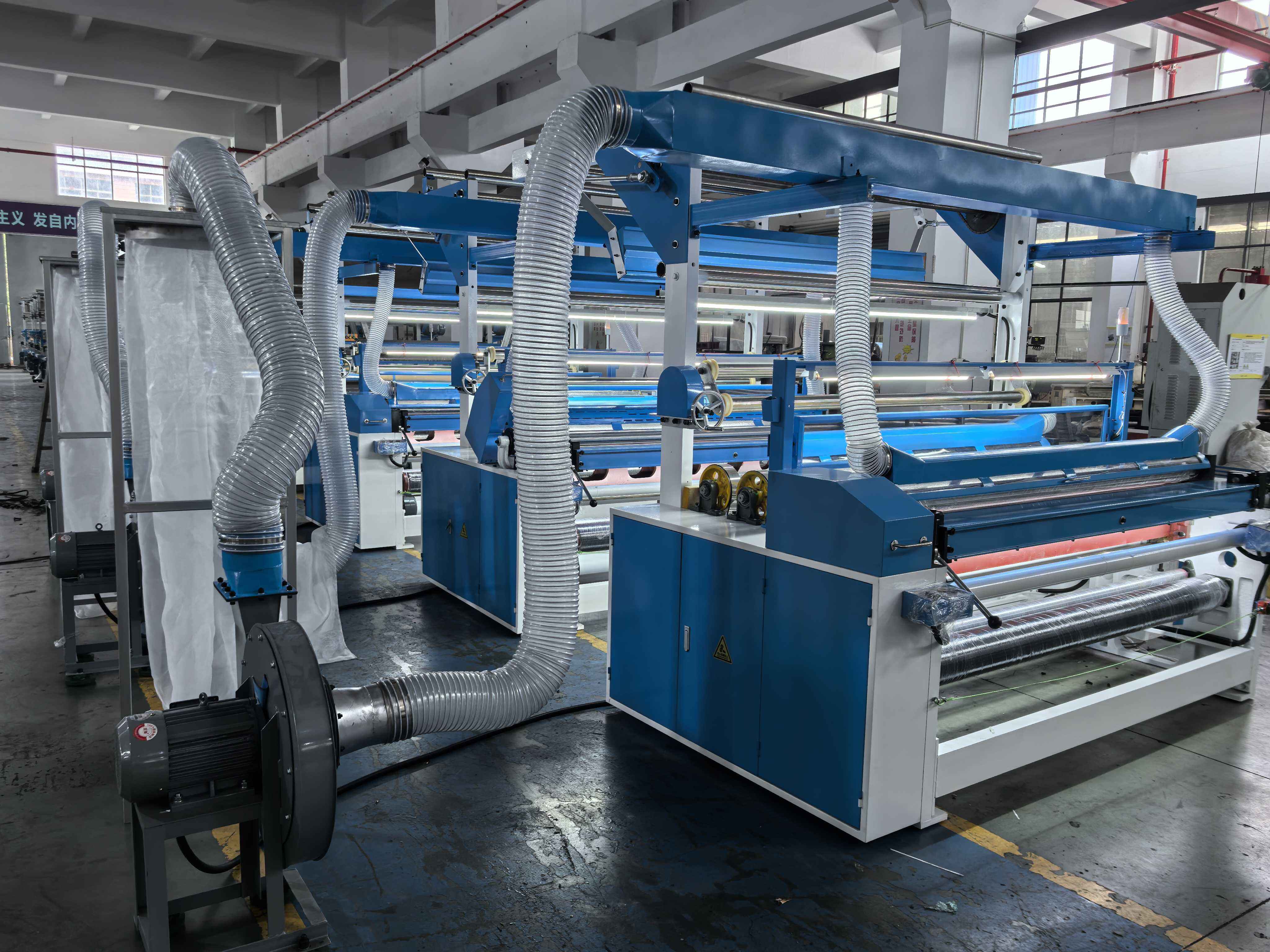
Spray and Coating Machines: Enabling Targeted Gloss Control, Colorfastness, and Surface Differentiation
Spray systems and coating rollers deliver chemical finishes like fluoropolymers for water resistance and UV inhibitors with incredible precision at the micron level. The way these coatings are applied boosts local gloss without making materials feel stuffy or uncomfortable. Polymer coatings actually stick to fabric fibers at a molecular level, which stops colors from bleeding or running during washing. According to recent testing standards (AATCC 2023), fabrics treated this way maintain around 98% of their original color even after being washed industrially fifty times. Beyond just looking good longer, these treatments also improve practical aspects like resisting stains and creating different textures that matter a lot for products used in specific applications.
Performance-Driven Fabric Finishing Machines: Enhancing Durability, Drape, and End-User Quality Perception
Finishing machines designed for performance take textiles much further than just looking good. They actually make fabrics last longer, especially where people walk all over them like in work clothes or office furniture. At the same time, these machines help fibers line up better so clothes and home decor hang properly without bunching up everywhere. What really matters is how customers perceive quality based on what they can measure. For instance, special treatments kill off almost all bacteria (over 99%) in hospital fabrics, something that makes a big difference for infection control. Fabrics treated against UV light stop fading from sunlight by blocking around 95% of damage, which keeps outdoor items looking fresh longer. And those stain resistant coatings? They cut down on cleaning time by about 40% in hotels and restaurants where spills happen constantly. All these improvements hit the standards set by industries while giving products that premium appearance, comfortable feel, and dependable performance that shoppers ultimately care about when making purchases.
Selecting the Right Fabric Finishing Machine: Matching Technology to Fiber Type, End Use, and Production Scale
Picking the right finishing machine really comes down to matching technology with what matters most: the type of fiber being processed, what the finished product will be used for, and how much needs to get done each day. Natural fibers such as cotton, wool, and silk need cooler temps and softer treatment so they don't lose their strength. Synthetic materials like polyester can stand up to hotter conditions and more pressure, but manufacturers have to be careful not to melt them or cause surface issues called glazing. What the fabric ends up doing makes all the difference too. Upholstery fabrics must hold up against wear and tear while staying stable in shape over time. For sportswear and other performance garments, the focus shifts to keeping sweat away from the body and making sure the material returns to its original shape after stretching. When it comes to production numbers, bigger operations typically go for continuous feed systems that can crank out over 20 thousand meters per day. Smaller shops or specialty producers often prefer modular batch processors since they allow for more adjustments when running limited quantities. Getting this mix right helps maintain consistent quality across batches, keeps operations running smoothly, and ultimately saves money in the long run for textile manufacturers.
FAQ
How does the napping process enhance fabric properties?
Napping lifts fiber ends using spinning wire brushes, creating a fluffy surface that increases insulation properties by around 30% compared to untreated fabric.
Why is heat-setting important for synthetic fibers?
Heat-setting synthetic fibers like polyester and nylon ensures dimensional stability, preventing shrinkage and maintaining the clothes' original size.
What benefits do spray and coating machines bring to textiles?
Spray and coating machines provide chemical finishes, enhance gloss, water resistance, UV protection, and maintain colorfastness even after extensive washing.
How do finishing machines improve product durability and appearance?
Finishing machines enhance textiles' durability and appearance, reducing pilling, distortion, and bacterial presence, and protecting against UV light and stains.
What is calendering in fabric finishing machines?
Calendering in fabric finishing involves running materials through heated steel rollers under controlled pressure to create smooth finishes or specific textures.
Table of Contents
- Mechanical Fabric Finishing Machines: Building Texture Through Precision Processing
- Thermal and Chemical Fabric Finishing Machines: Elevating Visual Appeal and Functional Aesthetics
- Performance-Driven Fabric Finishing Machines: Enhancing Durability, Drape, and End-User Quality Perception
- Selecting the Right Fabric Finishing Machine: Matching Technology to Fiber Type, End Use, and Production Scale
- FAQ