 EN
EN



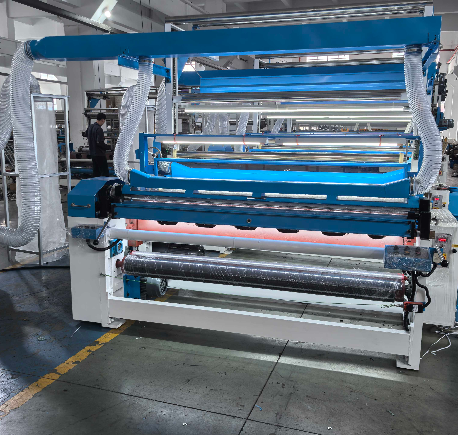
Precision Material Optimization with Smart Cord Cutting Machines
Adaptive Feed Calibration for Minimal Scrap Generation
Modern cord cutting equipment relies on sensors to constantly tweak how materials are fed through the machine, adjusting tension and alignment as needed. These machines have laser measuring devices and tension detectors that pick up tiny changes in cord thickness or surface quality, whether from moisture fluctuations or differences between production batches. The system then makes adjustments all on its own without needing anyone to step in manually. What does this mean? Fewer frayed ends, straighter cuts, and basically no more of those annoying defects that used to waste around 12 to 18 percent of materials in most shops. Plants that have installed these smart systems see their scrap rates drop by about 22 to 28 percent each year. This cuts down on material expenses significantly while keeping measurements within 0.15mm tolerance for both natural fibers, synthetics, and blends of different materials.
Real-Time Adjustment Algorithms That Cut Waste by Up to 35%
The machine learning algorithms take in real time information from those built in IoT sensors that keep an eye on things like blade wear, changes in material density, and how the feed is moving, checking these every 200 milliseconds or so. If something goes wrong during operation say there's cord slipping or the blade starts to bend the system makes automatic corrections to torque settings, blade speeds, and applied pressure to maintain good cuts. These smart systems aren't just reacting to problems as they happen but actually learning from them. Compared to older fixed setups, this kind of responsive intelligence cuts down on wasted material and overcutting by around 35 percent according to industry tests. As months go by, the algorithms get better at figuring out optimal cutting paths based on past production records. This continuous improvement helps manufacturers squeeze maximum yield out of their materials while keeping dimensional accuracy within tight limits of plus or minus 0.15 millimeters which matters a lot in industries such as aerospace manufacturing, medical devices, and premium textiles where precision really counts.
Real-Time Quality Control Through Integrated Sensor Feedback
Embedded Vision Systems for Instant Defect Detection in Cord Cutting
Vision systems with high resolution can scan cords as fast as 200 frames each second. They spot tiny issues like inconsistent thickness, small pits on surfaces, and beginning signs of fraying all while things are happening. These optical sensors catch problems almost instantly after they appear, stopping faulty materials before they get further along in production. According to findings from the latest Manufacturing Quality Report released in 2024, factories using this tech typically see around a 27% drop in waste materials. What's really nice is that good quality products move forward to packing or assembly without holding up the production line speed or needing workers to check them manually.
Closed-Loop Automation: How Sensors Trigger Immediate Machine Corrections
When integrated tension, thermal, and force sensors work together, they create real closed loop automation. If something goes off track like higher pull resistance or motor temps going up, the system automatically adjusts blade pressure, feed rates, and cooling levels right away. The force feedback adapts specifically to different fibers characteristics for example nylon tends to stretch while aramid gets compressed, so the machine makes parameter changes before any flaws actually develop. These kinds of corrections cut down on rejected products by around 35 percent and reduce the need for manual adjustments by operators by roughly 40%. As a result, the system stays within tight tolerances of plus or minus 0.1 mm throughout all production shifts regardless of what materials are being processed.
End-to-End Process Efficiency Gains from Smart Cord Cutting Machines
Smart cord cutting machines bring together design work, actual production, and quality checks all in one automated system. When connected directly to CAD software and MES platforms, they basically eliminate the need for people to enter data manually. Setup times drop dramatically around 85-90% most reports say, plus there are far fewer mistakes when configuring settings. The machines come with built-in diagnostics that catch problems before they happen, along with automated parts handling that keeps everything running smoothly. Throughput typically goes up about 30% to maybe even 40% in practice, while companies often save over 50% on labor expenses. These systems combine cutting operations with on-the-fly inspections and track inventory digitally throughout the process. As a result, factories get better use out of their equipment, products move through faster, and they can handle special customer requests or sudden changes in demand without sacrificing accuracy or losing track of where materials are at any given moment.
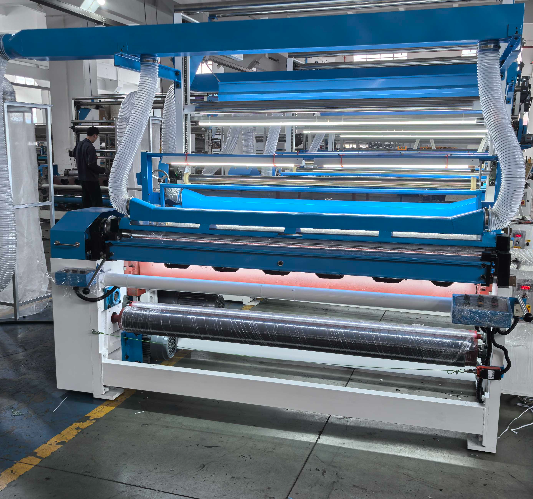
Sustainability Benefits: Lower Energy Use and Reduced Environmental Footprint
Industry 4.0—Enabled Cord Cutting Machines and Their Eco-Performance Metrics
Cord cutting machines powered by Industry 4.0 tech actually make a measurable difference for the environment. When manufacturers upgrade their servo motors and implement smart power down features during idle periods, they typically see around half their energy bills go away. That means big reductions in both what companies spend day to day and those tricky Scope 2 emissions everyone's talking about lately. And let's not forget about the material waste issue either. These newer systems come equipped with special algorithms that cut down on scrap materials by roughly a third. Less wasted stuff means fewer trips to landfills and smaller disposal costs for businesses. What really stands out though is how these machines catch defects right when they happen. Instead of having to tear apart whole batches later, operators can fix problems immediately. This saves time and money while keeping perfectly good components from ending up as trash. Many companies find that the money saved gets reinvested into other green projects, creating this nice feedback loop where being eco friendly actually makes good business sense too, especially in industries where regulators keep a close eye on environmental performance metrics.
FAQ
How do smart cord cutting machines improve material optimization?
They use integrated sensors and real-time adjustment algorithms to minimize waste and optimize cuts, maintaining strict dimensional accuracy.
What are the environmental benefits of these machines?
They reduce energy consumption and scrap material, lower disposal costs, and support eco-friendly practices in manufacturing.
What is Industry 4.0 in cord cutting machines?
Industry 4.0 refers to the latest generation of technologies, including IoT, machine learning, and automation, that enhance the efficiency and sustainability of manufacturing processes, such as cord cutting.