 EN
EN


Core Working Principles of Textile Brushing Machines
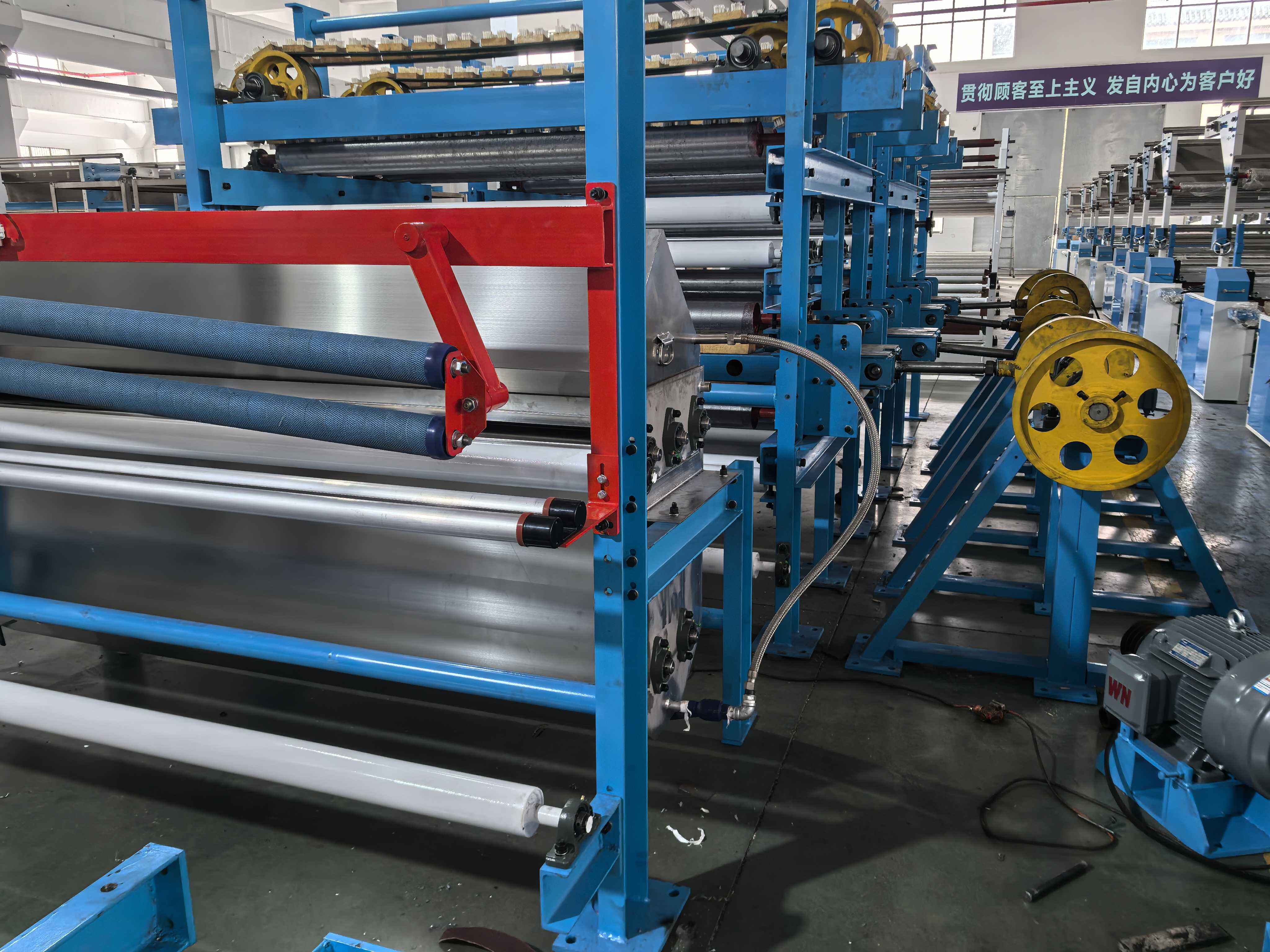
Anyone who has worked on textile finishing lines knows that fabric texture is never formed by weaving alone. I have spent over a decade cooperating with fabric manufacturers across different regions and witnessed how rough fiber surfaces can ruin high quality textiles even after careful weaving and dyeing. Textile brushing machines stand as essential equipment to fix this common production problem. These machines rely on specially designed rotating brush rollers that move against the running fabric gently and continuously. As fabric passes through the machine, the soft bristles lift loose surface fibers and arrange disordered fibers into an even layer. Unlike harsh manual brushing that may pull or damage fibers, industrial brushing machines maintain stable tension and running speed throughout the whole process. This mechanical action fundamentally optimizes the internal structure of fabric surface fibers and lays a solid foundation for improved softness and neat appearance.
Diverse Application Scenarios for Different Fabric Types
Professional textile technicians all agree that a qualified brushing machine must adapt to various fabric materials and production demands, and this is also the core standard to judge equipment performance. Horizontal brushing machines and vertical brushing machines serve different roles in modern textile production. Horizontal models work best for large width fabrics such as curtain cloth and warp knitted fabric, delivering uniform brushing across the entire fabric surface. Vertical brushing machines are widely used for corduroy, fleece and wool fabrics, as they can create three dimensional fluffy nap without breaking short fibers. In actual production, factories usually match machine types according to fabric thickness and fiber characteristics. Fabrics made of chemical fiber, cotton and blended materials all need targeted brushing processes to remove tiny impurities and floating threads left from previous procedures. Each targeted processing method directly upgrades the tactile feeling and visual effect of finished goods.
Professional Standards for Fabric Surface Optimization
The international textile finishing industry has set clear evaluation standards for fabric softness and surface smoothness, and brushing treatment is listed as a necessary intermediate process for most velvet and knitted products. Industry quality inspectors point out that unbrushed fabric often has messy fluff, uneven gloss and poor hand feel, which will greatly lower product grades after dyeing and post processing. After standard brushing treatment, fabric surface fluff becomes orderly, fabric gloss turns soft and natural, and the overall texture becomes delicate. Strict parameter control is required during operation including roller rotating speed, fabric feeding speed and working distance between brushes and fabric. Reasonable parameter setting can avoid excessive brushing that causes fiber loss or insufficient processing that fails to achieve expected effects. All these professional operations ensure that fabrics meet global quality standards and pass strict quality inspections easily.
Practical Operation and Quality Control Tips
For textile production managers, stable operation and easy maintenance of equipment are equally important as processing results. Based on years of on site production experience, regular daily maintenance can extend the service life of textile brushing machines and keep consistent processing quality. Operators need to check brush bristle integrity and roller balance every day before startup to prevent scratches on fabric. After daily production, cleaning the inside of the machine to collect fallen fibers can avoid fiber accumulation affecting subsequent production. In terms of quality control, finished fabrics after brushing should be sampled to test softness, check surface uniformity and count residual impurities. Standardized operation and regular inspection form a complete quality control system, which helps factories reduce defective products and stabilize product quality for long term orders. Reliable equipment performance and standardized operation also help enterprises maintain stable cooperation with long term clients.
Economic Benefits for Textile Production Enterprises
Investing in high performance textile brushing machines brings obvious economic advantages to textile factories in multiple aspects. First of all, superior fabric appearance and soft hand feel make finished products more competitive in the market and support higher product pricing. Secondly, automated brushing equipment greatly improves production efficiency compared with traditional manual work, cutting labor costs and shortening production cycles. In addition, high precision brushing machines reduce fabric damage rate and material waste, further controlling overall production costs. For export oriented textile enterprises, fabrics processed by standard brushing machines can meet the quality requirements of different overseas markets and expand sales channels. From small batch customized orders to large scale mass production, excellent brushing equipment can create stable economic returns for production plants.
Reliable Manufacturing and Comprehensive Service Support
To obtain stable and high quality brushing effects, choosing a professional equipment manufacturer is the key. Schneiter has focused on textile machinery research and production for more than ten years and accumulated rich experience in developing fabric brushing machines. The brand owns independent patented technologies and strictly follows international quality certification standards during production. With a large production workshop and mature production lines, Schneiter supports flexible production arrangements and accepts personalized customization according to clients unique fabric processing needs. The brand also provides complete after sales support including online debugging and long term technical guidance. Whether clients need single unit equipment or full set textile finishing production lines, Schneiter can deliver qualified products and thoughtful services, becoming a trustworthy partner for global textile manufacturers.
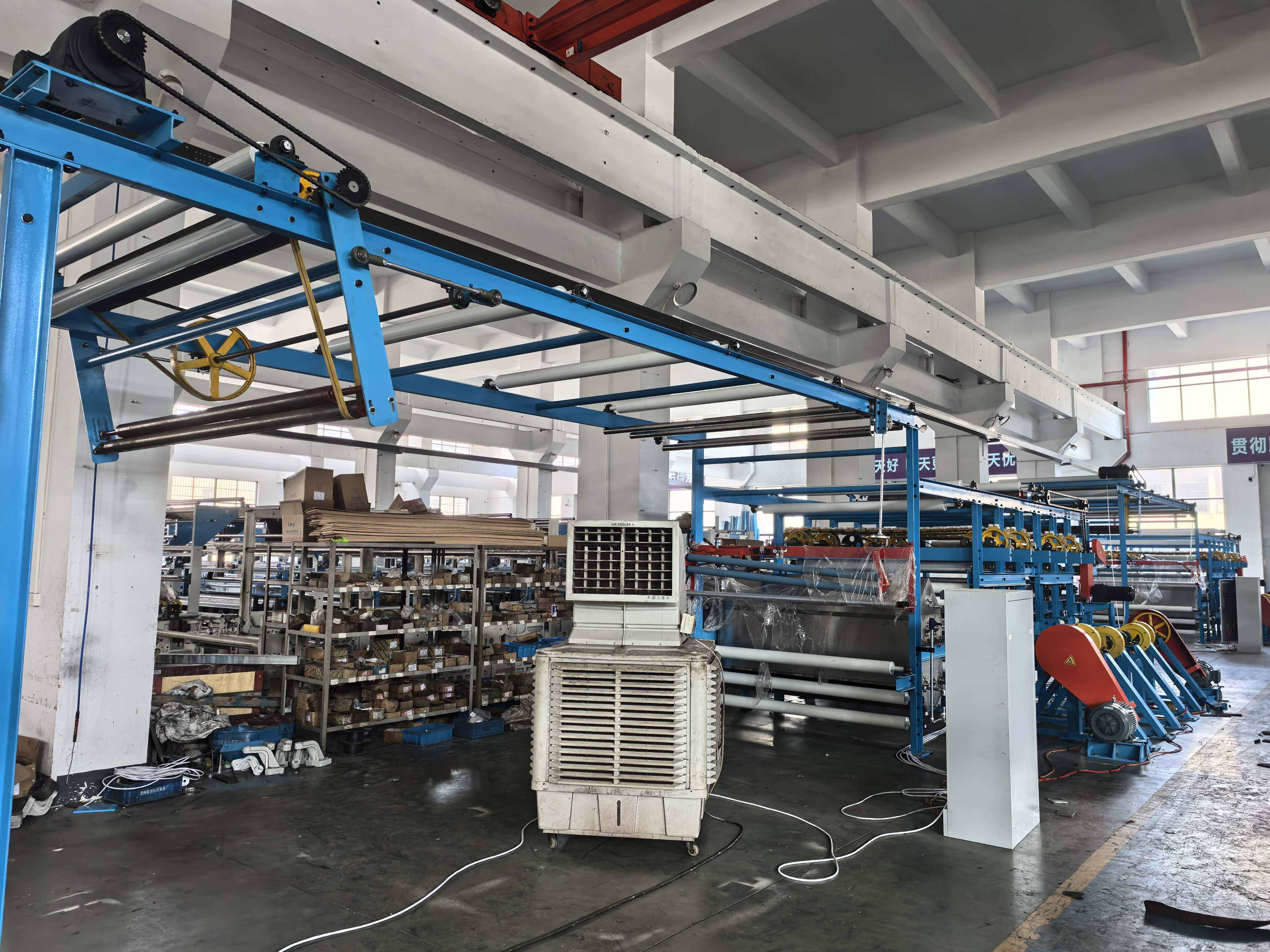
Table of Contents
- Core Working Principles of Textile Brushing Machines
- Diverse Application Scenarios for Different Fabric Types
- Professional Standards for Fabric Surface Optimization
- Practical Operation and Quality Control Tips
- Economic Benefits for Textile Production Enterprises
- Reliable Manufacturing and Comprehensive Service Support