 EN
EN


Daily Surface Cleaning to Avoid Fiber Blockage Damage
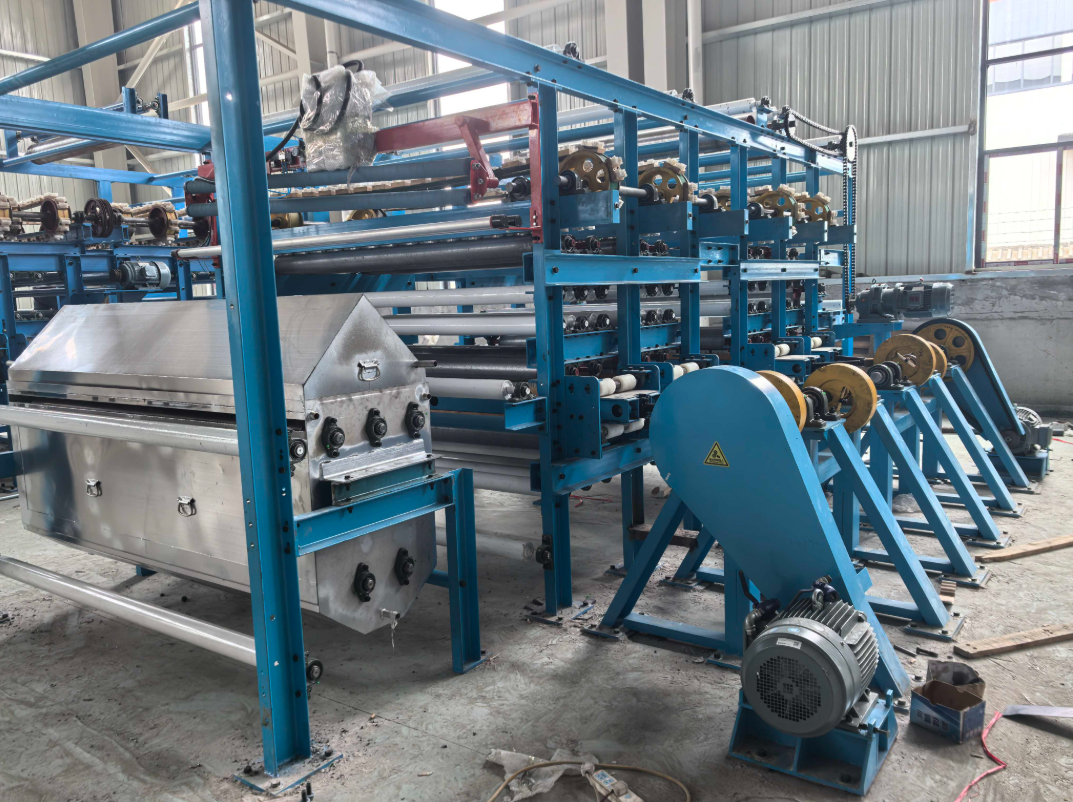
Anyone managing fabric finishing production lines will recognize frequent unexpected shutdowns linked to accumulated lint on textile brushing machines. Horizontal and vertical brushing units operate continuously to lift soft nap on fleece wool and knitted fabrics, and loose fibers shed from raw materials stick tightly to brush rollers guide rails and drive belts every production shift. Drawing on over ten years of frontline textile workshop operation experience, many mid sized corduroy processing plants skip daily cleaning procedures to save ten to twenty minutes of preparation time, which leads to thick fiber winding on rotating rollers within three working days. Blocked rollers create uneven friction against fabric surfaces, resulting in inconsistent plush thickness and large batches of defective textiles requiring manual reprocessing. Industry standard operation manuals for textile finishing machinery clearly require surface cleaning after every shift ends. Workers only need compressed air blowguns and soft bristle brushes to sweep lint away from all moving parts, and factories that stick to this routine cut unplanned downtime by more than thirty five percent on average. Simple daily cleaning eliminates unnecessary mechanical wear and guarantees uniform fabric texture output without extra investment on maintenance supplies.
Regular Lubrication Inspection for All Transmission Components
Stable long term operation of brushing machines heavily relies on standardized lubrication schedules for bearings gears and chain transmission sets. Senior mechanical engineers specializing in textile machinery point out that continuous high speed rotation generates heavy friction heat inside drive assemblies, and insufficient or expired lubricant will accelerate metal part abrasion and create abnormal machine vibration during fabric brushing. Horizontal brushing machines with wide processing width bear heavier load and demand lubrication replenishment every three working days, while compact vertical brushing equipment needs oil refilling every seven days. Factories that randomly delay lubrication often face premature bearing replacement within six months, bringing extra spare part expenditure and production pause losses. Professional textile equipment manufacturers specify matched high temperature resistant lubricants for brushing machine transmission systems, and operators can mark lubrication dates on equipment side panels to avoid missed inspection cycles. Consistent lubrication maintenance reduces long term component replacement costs and keeps machine running noise within normal production range.
Timely Brushing Roller Inspection and Correction to Stabilize Fabric Quality
Brushing rollers act as the core functional part that directly contacts textiles, and regular shape inspection and trimming work directly determine finished fabric surface quality. A corduroy finishing factory with sixty daily production tons once encountered widespread customer complaints about uneven soft nap on fleece fabrics before adjusting its roller maintenance rules. The workshop only replaced severely damaged rollers when obvious malfunctions appeared, and long term single direction rotation made roller bristles bend unevenly to form irregular contact gaps with fabric. After adding weekly roller inspection and reversal steps, the factory’s fabric reject rate fell by eighteen percent, and extra labor for manual secondary brushing was completely removed. Operators need to take out rollers every week to trim bent bristles and switch rotation direction to balance abrasion force. When bristle loss exceeds twenty percent of the original quantity, replacement work should be arranged during non production hours to prevent sudden quality fluctuation in mass production orders.
Weekly Electrical and Safety Component Calibration Checks
Electrical control systems and safety auxiliary parts easily hide risks under long term dust accumulation in textile production environments. Brushing machines are equipped with tension sensing devices emergency stop switches heat dissipation fans and main drive motors, all of which absorb floating lint from processing fabrics week after week. National textile machinery safety audit standards released in 2026 remind factory maintenance teams to conduct full electrical inspection once every seven days. Workers need to disconnect power supply first before cleaning dust from motor wiring terminals and sensor surfaces, and test emergency stop response speed to guarantee workshop operation safety. If lint blocks heat dissipation fans, motor temperature rises sharply and triggers automatic power off during peak production hours. Equipment suppliers with complete after sales systems provide remote online debugging service to locate electrical faults quickly, shortening troubleshooting time and minimizing order delivery delays caused by electrical component failures.
Scheduled Full Machine Overhaul to Cut Long Term Production Costs
Many textile plant managers underestimate the economic losses brought by postponing full machine overhaul until obvious breakdowns occur. The 2026 China Textile Finishing Industry Cost Research Report records that factories carrying out quarterly complete brushing machine overhaul save an average of twenty two percent on annual maintenance expenditure compared with facilities waiting for equipment malfunctions. Full overhaul covers disassembly inspection of drive systems roller support frames tension adjustment structures and dust removal channels, where hidden minor abrasion and blockage issues get fixed in advance without large scale production interruption. Small batch custom fabric workshops can arrange deep overhaul every six months, while mass production corduroy and chemical fiber cloth processing lines require full inspection every three months. Scheduled comprehensive maintenance extends overall machine service life and maintains stable maximum processing speed without sacrificing fabric surface finishing effects.
Professional Equipment Supply and Full Lifecycle Maintenance Support
Mastering systematic maintenance steps delivers better production results when paired with reliable original equipment and complete after sales service, advantages fully provided by Schneiter as a professional textile machinery manufacturer. Schneiter owns more than ten years of independent research and development experience, with a full product lineup covering horizontal brushing machines vertical brushing machines and matched corduroy finishing equipment supported by exclusive patented mechanical structures. The brand operates a ten thousand square meter standardized production workshop and holds stable cooperative relations with over fifty global clients exporting products to more than ten countries. Every brushing machine delivered comes with detailed maintenance operation guides, and the team runs a twenty four hour after sales hotline with free online debugging and installation support within the first year of purchase. Customized equipment modification service is available starting from a single unit order, and professional technical teams offer long term remote maintenance guidance to help textile factories implement standardized daily weekly and periodic overhaul plans for continuous smooth brushing machine operation.
Table of Contents
- Daily Surface Cleaning to Avoid Fiber Blockage Damage
- Regular Lubrication Inspection for All Transmission Components
- Timely Brushing Roller Inspection and Correction to Stabilize Fabric Quality
- Weekly Electrical and Safety Component Calibration Checks
- Scheduled Full Machine Overhaul to Cut Long Term Production Costs
- Professional Equipment Supply and Full Lifecycle Maintenance Support