 EN
EN


Uneven fabric nap defects from improper roller setup
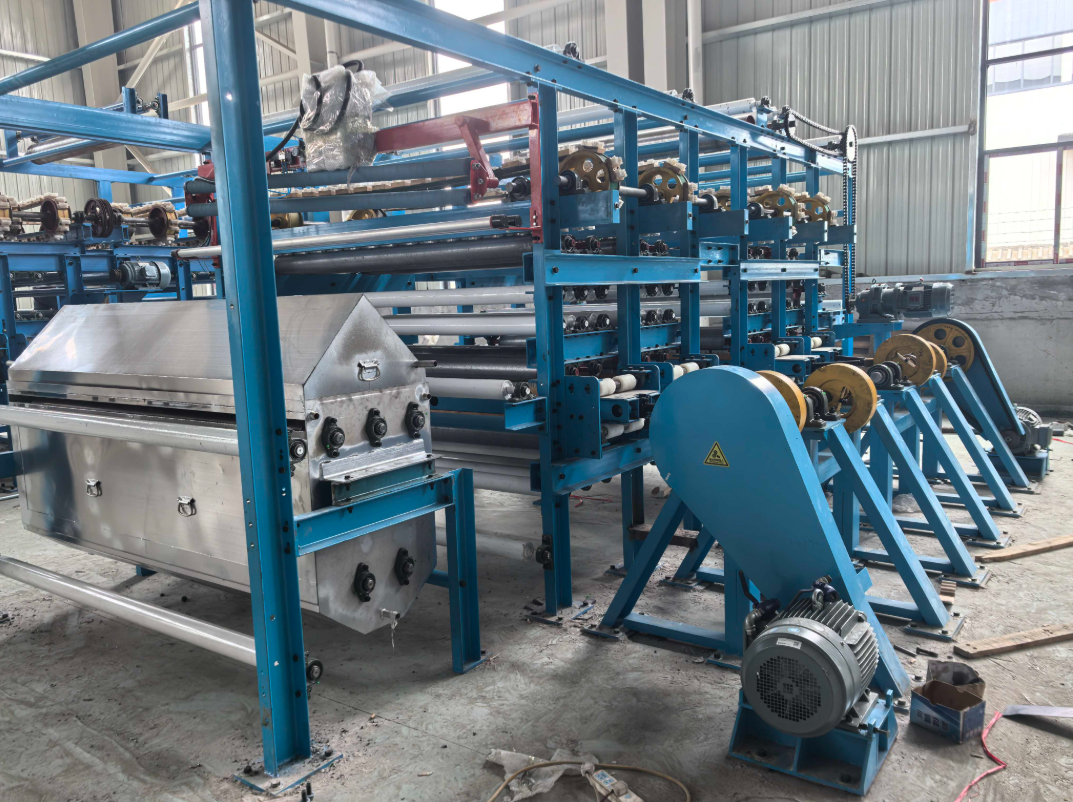
Many textile finishing workshop technicians share consistent troubleshooting experience of uneven nap thickness across finished fleece and corduroy fabrics. A medium sized textile factory launched large batch knitted fabric brushing orders last spring, and operators skipped roller gap calibration before daily startup. The brushing roller pair ran with inconsistent horizontal clearance, leading to fabrics with thin nap on edge areas and overly raised fibers in the middle section. Over twelve thousand meters of grey cloth turned into unqualified semi finished goods within three production shifts, bringing extra re brushing labor and delayed delivery compensation fees. After maintenance staff readjusted roller parallelism and fixed locking bolts evenly along both ends of the roller shaft, fabric nap uniformity recovered fully. This real long term workshop record proves roller clearance deviation ranks the most frequent quality related fault of textile brushing machines, and standardized pre shift calibration completely eliminates such mass production losses. Operators only need to measure gap values at left middle right positions of roller surface to ensure uniform fiber lifting effect for full width fabrics.
Fiber winding and blockage on brushing roller assemblies
Fiber residue winding around brushing rollers and internal air duct blockage belongs to the most common mechanical failure during continuous long shift operation. Three core root causes trigger this issue including insufficient power of built in dust suction unit mismatched rotation speed between brushing roller and fabric feeding roller static electricity accumulated on fiber surface. When suction fan filter screens are covered with loose lint, internal negative pressure drops sharply and tiny fiber fragments cannot be extracted timely, gradually wrapping around brush bristles to form thick fiber clogs. The standard disposal workflow requires operators to cut off machine power first then disassemble suction pipeline filters and roller protective covers to clean accumulated fibers with soft air blowing guns. Daily preventive maintenance includes fifteen minute full suction system cleaning after each production batch and adjusting relative speed difference between feeding and brushing rollers to reduce fiber friction static charge. Equipment with integrated circulating dust removal structure greatly lowers winding fault frequency compared with basic brushing models without independent suction modules.
Industry technical specifications set authoritative fault diagnosis benchmarks
Unified international textile finishing equipment testing standards and domestic textile machinery maintenance specifications release clear authoritative fault judgment and handling rules, providing credible reference for workshop maintenance teams. ISO textile post processing equipment continuous operation inspection standards list roller clearance suction system transmission component as three core daily inspection modules that must be recorded before startup. Senior textile mechanical engineers publish professional maintenance papers pointing out regular pre shift inspection can reduce total annual machine failure rate by over sixty percent. Official equipment operation manuals issued by qualified manufacturers sort classified fault symptom matching tables, linking abnormal fabric quality or machine running signals to corresponding adjustment or replacement solutions. All standardized fault handling rules are summarized from thousands of hours of continuous aging test data of textile brushing machines, forming objective judgment standards to avoid blind disassembly that damages precision roller components.
Abnormal noise and unstable transmission operation
Abnormal vibration noise and intermittent fabric jamming generated by unstable transmission systems stem from three typical mechanical wear faults including aging rolling bearings loose transmission chains and offset meshing gears. Continuous high load brushing operation makes roller shaft bearings lose lubricating grease gradually, producing harsh friction sound during roller rotation; over stretched or slack drive chains create periodic impact noise while pulling fabric rolls unevenly to trigger feeding blockage. Field troubleshooting steps start with power cut safety inspection, technicians check bearing surface temperature and lubricant residue first, then adjust chain tensioning wheel to standard tightness and calibrate gear meshing clearance if metal collision sound appears. Timely supplementary mechanical grease and periodic chain tightening extend transmission system service cycle significantly, preventing sudden full line shutdown caused by broken drive parts during peak production hours.
Long term production losses from delayed fault disposal
Textile processing plants that ignore timely brushing machine fault disposal accumulate measurable cumulative economic losses throughout whole year production cycles. Minor roller winding or noise faults left unprocessed develop into severe structural failures requiring whole set component replacement, raising spare part procurement expenditure sharply. Unqualified fabric yield rises continuously under uncalibrated brushing rollers, wasting expensive grey cloth raw materials and occupying extra workshop space for rework storage. Unexpected equipment breakdowns interrupt batch order production schedules, generating client delivery delay liquidated damages and weakening long term cooperative relations with garment brand buyers. Multi year production statistics of textile finishing enterprises show factories with complete daily fault inspection and maintenance mechanisms cut comprehensive waste and downtime expenditure by more than fifty percent compared with teams adopting random emergency repair mode only after complete machine halt.
Integrated textile machinery manufacturer supplies full fault support solutions
Stable after sales technical support and well designed low failure brushing equipment rely on complete independent textile machinery research and standardized production capacity. Schneiter owns more than ten years of textile post processing equipment development experience, holding exclusive patented brushing roller structural design to reduce winding and uneven nap fault probability fundamentally. The brand produces full line matching finishing machines including corduroy cutting singeing dryer and cloth inspection units, with one year free remote online debugging service and twenty four hour permanent after sales hotline available for global textile clients. Professional technical teams provide real time remote fault judgment and step by step disposal guidance via video connection when workshop operators encounter brushing machine abnormal conditions. Flexible customized production supports single unit or full production line orders, and all finished brushing machines complete multi round continuous aging testing before factory delivery to minimize on site fault occurrence rate for fabric processing manufacturers worldwide.
Table of Contents
- Uneven fabric nap defects from improper roller setup
- Fiber winding and blockage on brushing roller assemblies
- Industry technical specifications set authoritative fault diagnosis benchmarks
- Abnormal noise and unstable transmission operation
- Long term production losses from delayed fault disposal
- Integrated textile machinery manufacturer supplies full fault support solutions