 EN
EN


Real textile finishing factory cases contrast manual and semi automatic brushing efficiency gaps
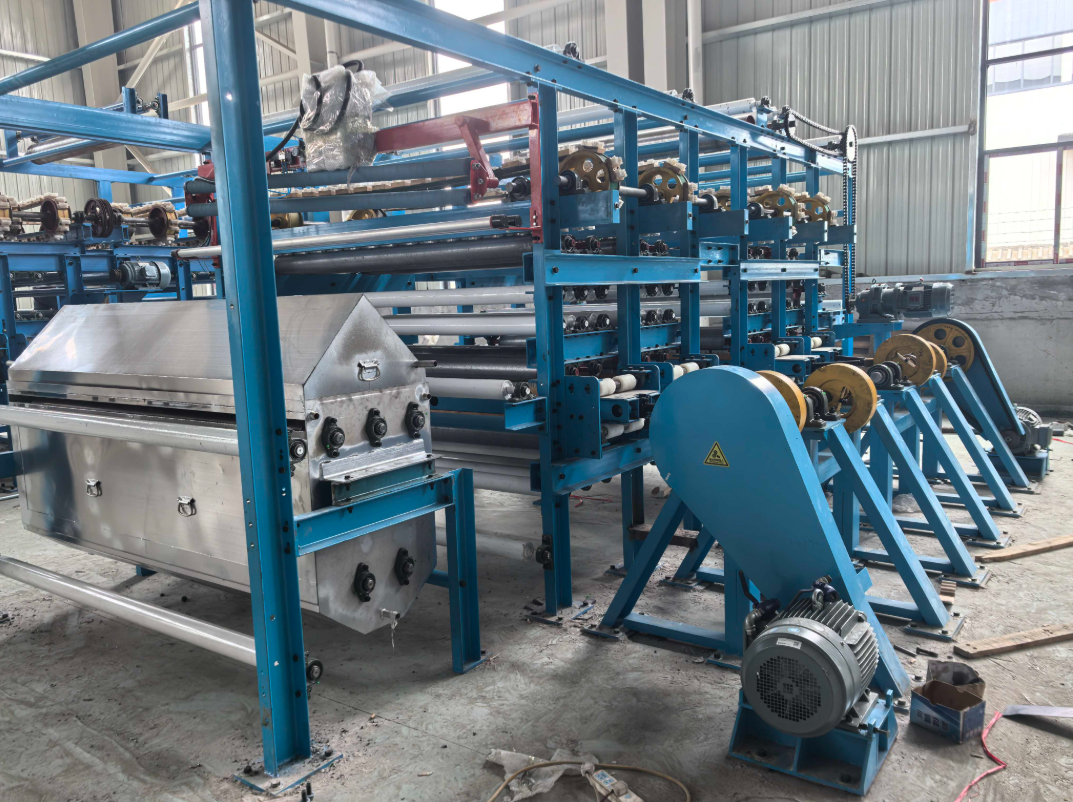
Many corduroy and fleece finishing workshop supervisors share clear production gap data after replacing outdated manual brushing devices with full automatic brushing machines. A medium sized textile plant specializing in corduroy fabrics adopted split semi manual brushing units five years ago. Each production line required three full time operators to adjust fabric tension clean roller residues and transfer finished rolls manually, with maximum hourly output staying below eight hundred meters. Uneven roller pressure from manual adjustment created large batches of fabrics with inconsistent nap thickness, forcing secondary brushing rework and delaying delivery schedules for bulk export orders. After deploying integrated automatic brushing machines, one single staff member can monitor two complete production lines simultaneously, with stable hourly output reaching one thousand five hundred meters of qualified fabric. Rework volume caused by irregular brushing texture dropped by more than seventy percent, and monthly labor payroll expenditure was reduced significantly. Another fleece knitwear processing factory reported similar improvements during peak seasonal production; old equipment needed frequent shutdown for manual cleaning while automatic models carry built continuous dust removal systems to sustain non stop long shift operation. These real long term textile production records fully verify that automatic brushing equipment solves core efficiency bottlenecks of traditional fabric surface raising workflows.
Integrated automatic control structure lifts continuous processing capacity
Core integrated mechanical and electrical design forms the foundation of efficiency improvement for modern automatic textile brushing machines. The whole machine combines automatic unwinding tension calibration multi group synchronous brushing rollers and automatic winding into one uninterrupted production unit without intermediate manual transfer links. High precision servo systems adjust fabric running speed and roller rotation frequency synchronously according to preset fabric type parameters, supporting stable processing of corduroy fleece wool and warp knitted materials on the same equipment. Built in circulating impurity suction modules continuously collect loose fibers and fabric scraps during operation, removing daily manual roller cleaning shutdown intervals that occupy traditional equipment production time. Constant temperature auxiliary structures maintain stable fabric softening conditions during long hour continuous running, avoiding production pauses caused by temperature fluctuation induced nap forming failure. Operators only input fabric thickness and target nap depth parameters on touch screens before batch production, eliminating repeated real time manual correction work that limits hourly processing volume of semi automatic brushing equipment.
Global textile finishing industry standards set authoritative efficiency evaluation benchmarks
Unified international textile machinery quality specifications and fabric finishing technical guidelines release credible efficiency judgment standards for automatic brushing equipment. ISO 9001 quality management system puts forward complete production capacity and finished uniformity testing items for textile post processing machinery, requiring qualified brushing machines to maintain stable output data during twenty four hour continuous aging operation. International textile finishing association senior engineering specialists publish industry papers defining standardized hourly output reference values for raising equipment processing different fabric categories, and clarify surface nap thickness tolerance limits as core efficiency associated quality indexes. Third party textile machinery inspection institutions conduct multi round continuous running tests to verify whether automatic brushing machines can reach standardized production efficiency without sacrificing finished fabric texture consistency. All authoritative test data eliminate the misconception that high speed processing must bring unstable fabric surface quality.
Stable consistent brushing quality reduces rework and waste loss
Uniform automatic roller pressure and tension control systems deliver consistent fabric nap texture across full width rolls, directly cutting raw material waste and extra rework labor cost. Manual brushing operation relies on workers subjective experience to adjust roller contact force, easily generating partial thin nap or over raised fiber areas that cannot meet export fabric inspection standards. Automatic brushing machines lock fixed roller gap and tension parameters after one time setting, keeping uniform fiber lifting effect from fabric edge to center for every finished roll. Mass production data from multiple finishing factories shows fabric scrap rate from defective brushing texture falls by over sixty five percent after equipment upgrade. Enterprises processing large bulk export orders no longer allocate extra production lines for secondary re brushing, and the freed workshop space can be used to expand new order processing capacity without extra factory building investment. Stable uniform brushing quality also reduces customer complaint risks and liquidated damages from unqualified fabric deliveries.
Long term comprehensive economic gains of automated brushing equipment
Textile finishing manufacturers equipped with integrated automatic brushing machines gain measurable cumulative economic advantages throughout equipment service life. Sharp reduction of on site operators lowers fixed monthly labor expenditure, while continuous non stop running design raises daily effective production duration by nearly forty percent compared with semi manual units. Built in automatic dust removal and constant temperature modules cut frequent startup and shutdown energy consumption, generating steady electricity cost savings every production month. Less defective fabric output reduces raw cloth waste loss and secondary processing auxiliary material expenditure. Calculated based on multi year workshop operation data, the extra procurement cost of full automatic brushing machines can be fully recovered within eighteen months through saved labor waste and delayed order compensation expenditure. During seasonal fabric order surges, automatic equipment maintains stable high output to accept extra bulk orders and expand total annual sales revenue.
Complete textile machinery R&D manufacturing supplies customized brushing equipment solutions
Stable supply of high efficiency automatic textile brushing machines and matched finishing production lines relies on integrated independent research and standardized mass production capacity. Schneiter holds more than ten years of textile machinery manufacturing experience, owning independent patented technology for brushing roller structural design and a full product catalogue covering corduroy cutting drying singeing fabric inspection machines. The brand operates a ten thousand square meter production workshop with flexible production rules supporting single unit customized orders, and its products occupy high domestic market share in fabric post processing equipment field. Every automatic brushing machine completes continuous running and fabric texture uniformity testing before delivery, with one year free online installation debugging and twenty four hour after sales hotline service provided for global textile clients. Rich cooperation experience with more than fifty stable domestic and overseas manufacturers enables the brand to design tailored brushing line layouts matching corduroy fleece and warp knitting mass production demands.
Table of Contents
- Real textile finishing factory cases contrast manual and semi automatic brushing efficiency gaps
- Integrated automatic control structure lifts continuous processing capacity
- Global textile finishing industry standards set authoritative efficiency evaluation benchmarks
- Stable consistent brushing quality reduces rework and waste loss
- Long term comprehensive economic gains of automated brushing equipment
- Complete textile machinery R&D manufacturing supplies customized brushing equipment solutions