 EN
EN



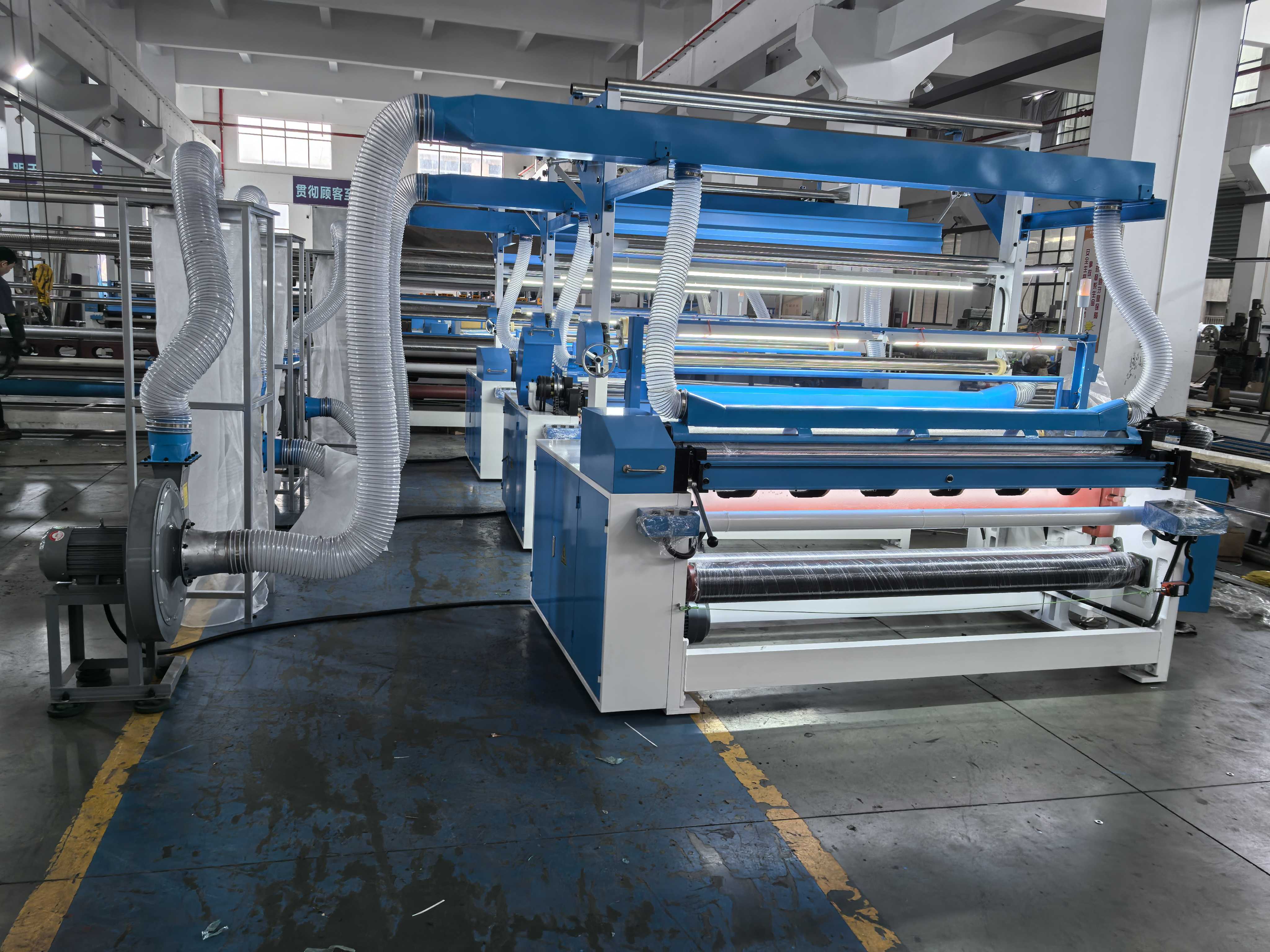
Typical Operational Failures Seen in Actual Production
I have collaborated with dozens of corduroy production workshops for many years and witnessed various unexpected issues with striped pile cutting machines during mass production. This type of equipment sits between weaving and dyeing sections and undertakes the core task of cutting looped fabric into neat striped corduroy. Many operators report that uneven pile height appears frequently after long hours of continuous running. Some finished fabrics show irregular stripes while others have partial uncut loops that have to be discarded directly. These issues not only raise the rate of defective products but also force frequent production stops to adjust the machine. In high volume production schedules, every unplanned shutdown will delay the entire finishing process and bring extra losses to textile manufacturers. Understanding these on site problems is the first step to keep the whole production line running steadily.
Root Causes Behind Irregular Cutting Results
Professional textile machinery technicians point out that most cutting quality problems come from unreasonable parameter settings and worn key components. A striped pile cutting machine relies on precise cooperation between cutting blades, fabric conveying rollers and tension control systems. If the conveying speed of fabric does not match the rotating speed of cutting blades, the pile will be cut to different heights. Long term friction will also make blade edges become dull, which leads to incomplete cutting and messy fabric edges. Loose fixing parts of the blade set will cause slight position deviation during operation, and this tiny deviation will turn into obvious stripe defects on large pieces of fabric. Besides, unstable fabric tension will make the material shake while passing through the cutting area, and the final striped pattern will lose uniformity. All these mechanical and operational factors work together to affect the overall cutting effect of the equipment.
Standard Solutions for Uneven Pile and Incomplete Cutting
Following the unified maintenance standards of the textile machinery industry, operators can solve most cutting related faults with clear and orderly operations. When uneven pile height occurs, first stop the machine safely and check the tightness of all blade fixing screws. Tighten any loose parts and adjust the horizontal position of the blade group to ensure all blades stay on the same working line. For dull cutting blades, replace spare blades in time or use supporting knife grinding devices to restore sharpness. If incomplete cutting happens due to mismatched running speed, reset the parameters of fabric feeding and blade rotation and carry out trial runs with small sections of fabric until the cutting state returns to normal. When fabric tension causes shaking, adjust the pressure of tension rollers to keep the fabric flat and stable throughout the cutting process. Each solution follows industry standard procedures and can take effect quickly in actual production.
Daily Maintenance to Prevent Recurring Faults
Good daily maintenance plays a decisive role in reducing machine failures and extending equipment service life. Experienced workshop managers always arrange regular inspection work before and after each shift. Before starting the machine every day, operators need to clean away accumulated fabric fluff around blades and rollers, because gathered fibers may block normal operation and wear down parts. Check the lubrication status of transmission gears and bearings and add professional lubricating oil on a regular basis to avoid excessive friction. After finishing daily production, conduct a full inspection of vulnerable components such as blades and tension parts and record the working status in detail. Standardized maintenance habits can effectively avoid repeated faults and keep the machine running in stable condition for a long time. This simple but effective management method is widely recommended by senior equipment maintenance experts in the textile sector.
Economic Benefits of Stable Equipment Performance
Keeping striped pile cutting machines in good working condition creates visible economic value for textile enterprises. Stable cutting quality greatly reduces defective products and lowers material waste. Fewer unexpected failures mean fewer production halts, which maximizes daily output and improves overall production efficiency. Factories can arrange production plans more reasonably and deliver orders on time to maintain good cooperative relations with clients. Regular maintenance also slows down the aging of machine parts and cuts long term replacement and repair costs. For enterprises that focus on corduroy and similar striped fabric production, reliable equipment operation is the basic guarantee to control comprehensive operating expenses and enhance market competitiveness. Every detail of fault handling and daily maintenance is closely linked to the profit of the whole factory.
Professional Manufacturing and Comprehensive After Sales Support
Choosing well built equipment is the fundamental way to reduce operational troubles in the long run. Schneiter has more than ten years of research and manufacturing experience in textile finishing machinery and fully understands the pain points of striped pile cutting machines in practical use. All equipment is produced under complete quality management systems and passes strict testing before delivery. The optimized mechanical structure effectively reduces the probability of common failures. The brand also provides thoughtful after sales services including one year warranty, remote technical debugging and timely supply of spare parts. Customized modification services are available to meet the special production needs of different fabrics. With reliable product quality and full lifecycle technical support, Schneiter has become a trusted partner for corduroy manufacturers across many regions.
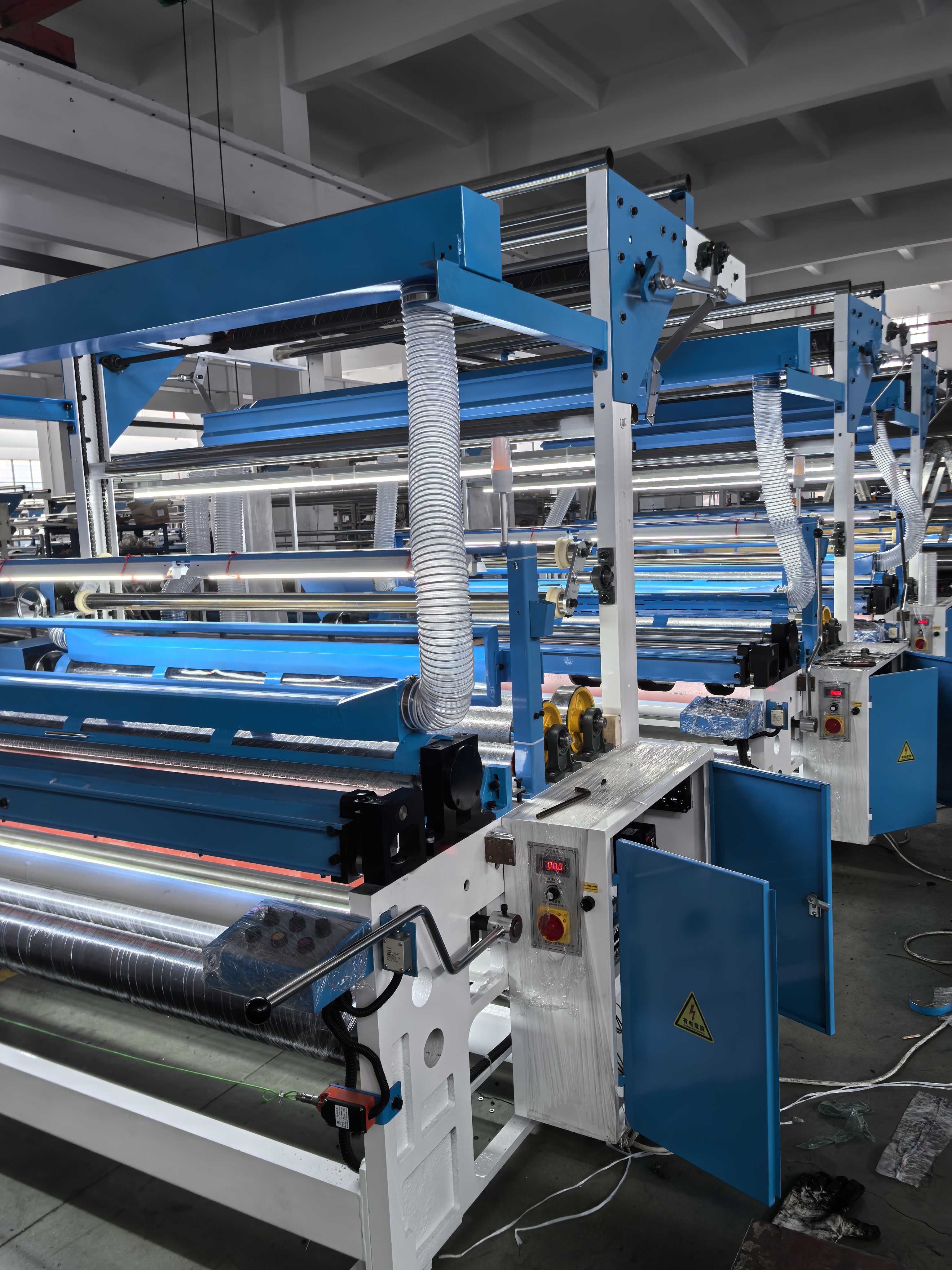
Table of Contents
- Typical Operational Failures Seen in Actual Production
- Root Causes Behind Irregular Cutting Results
- Standard Solutions for Uneven Pile and Incomplete Cutting
- Daily Maintenance to Prevent Recurring Faults
- Economic Benefits of Stable Equipment Performance
- Professional Manufacturing and Comprehensive After Sales Support