 EN
EN


Core Functional Mechanism of Textile Brushing Machines
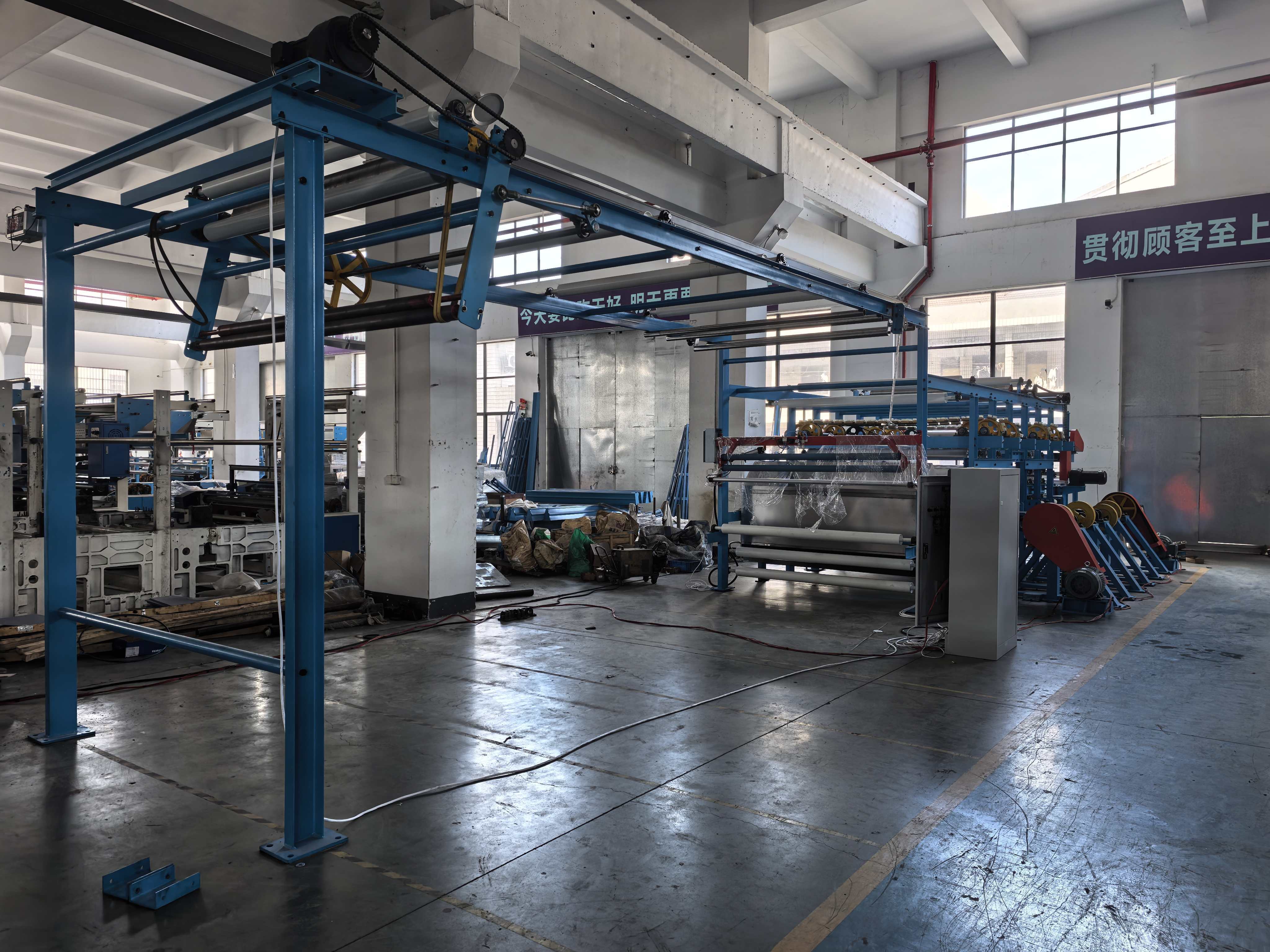
I have worked alongside dozens of textile manufacturing plants across multiple regions for more than ten years, and I have seen countless batches of qualified woven fabrics lose market value simply because of rough and messy surface fibers. Many manufacturers struggle with uneven fluff and floating threads that appear after weaving and dyeing, which directly ruin the overall texture of finished goods. Textile brushing machines are designed specifically to solve this widespread problem in fabric finishing. These machines use groups of flexible rotating brush rollers to make gentle contact with moving fabrics. As fabrics pass steadily through the equipment, the rotating bristles lift scattered surface fibers, comb out loose threads and tiny impurities, and arrange disordered fiber clusters into neat layers. Unlike manual brushing that often causes uneven tension or fiber damage, industrial brushing machines maintain consistent running speed and pressure throughout the whole process. This stable mechanical treatment optimizes the surface structure of fabrics fundamentally and creates a soft and neat foundation for high grade textile textures.
Differentiated Application for Various Fabric Categories
Senior technicians in the textile finishing industry always emphasize that a reliable brushing machine must match different fabric materials and production goals. Two mainstream types of brushing machines are widely used in modern production workshops, and each has its own targeted application range. Horizontal brushing machines perform excellently when processing wide width textiles such as curtain cloth and warp knitted fabrics. They deliver uniform brushing effects across every inch of large sized fabrics and keep the surface texture consistent. Vertical brushing machines are more suitable for corduroy, wool fabrics and fleece materials. Their special roller structure can raise dense and fluffy nap without breaking short fibers, forming the three dimensional soft touch that consumers favor. Chemical fiber blended fabrics and pure cotton fabrics also require adjusted brushing parameters to adapt to different fiber toughness. Choosing the right machine type and setting proper working modes can fully release the inherent texture advantages of each fabric material.
Industry Standards for Qualified Fabric Surface Finishing
International textile organizations have established unified evaluation criteria for fabric softness, surface uniformity and texture presentation, and professional brushing treatment has become a standard procedure for medium and high end textiles. Professional quality inspectors point out that unprocessed fabrics often have irregular fluff, dull luster and rough hand feel, which will fail to meet the quality requirements of mid to high end clothing and home textile products. After standardized brushing treatment, fabric surfaces become smooth, fluff distributes evenly, and the touch becomes soft and comfortable. Every formal textile production line follows strict parameter control rules for brushing work, including roller speed, fabric feeding pace and the gap between brushes and fabrics. Improper parameters will either lead to insufficient processing or excessive fiber loss. All these standardized requirements prove that professional brushing equipment is an indispensable part to help fabrics reach international quality benchmarks.
Practical Operation and Daily Quality Management
Stable equipment operation and complete quality management are key factors to maintain long term excellent fabric textures. Based on real production experience, regular daily checks can greatly extend the service life of brushing machines and stabilize processing quality. Operators need to examine the integrity of brush bristles and the balance of rotating rollers before starting work every day to prevent hard scratches on fabric surfaces. After finishing daily production tasks, cleaning accumulated fibers inside the machine is also necessary to avoid blockage and influence on subsequent processing. For finished products, factories need to carry out random sampling tests to check softness, surface uniformity and impurity residues. A complete set of operation rules and inspection systems can effectively reduce defective rates and keep product quality stable for long term orders. These practical methods are easy to implement and bring obvious improvements to daily production management.
Market Advantages Brought by Premium Fabric Textures
Investing in high performance textile brushing machines creates tangible commercial advantages for textile producers. Fabrics with delicate and premium textures are far more popular in consumer markets and can support higher sales prices compared with ordinary products. Automated brushing equipment also replaces slow manual work, greatly lifting overall production efficiency and cutting labor costs. Meanwhile, precise mechanical processing reduces fabric damage and raw material waste, helping factories control comprehensive production expenses. For enterprises engaged in export business, fabrics with standard textures can adapt to diverse quality demands from different overseas markets and expand sales channels steadily. Whether for small batch customized products or large scale mass production, improved fabric textures always bring stronger market competitiveness and sustainable economic returns.
Professional Manufacturing and Full Set Service Support
To maintain stable and outstanding brushing results, cooperation with an experienced and powerful equipment manufacturer is essential. Schneiter has devoted itself to the research development and production of textile finishing machines for over a decade. The brand owns independent patented technologies and runs strict quality control during every production step. It has a spacious production base and flexible production lines, supporting orders starting from a single unit and personalized customization according to unique fabric processing demands. In addition, complete after sales services including one year free online debugging and installation, long term technical support and timely spare parts supply can fully meet the needs of global clients. With reliable product quality and thoughtful supporting services, Schneiter has become a preferred partner for numerous textile enterprises pursuing premium fabric production.
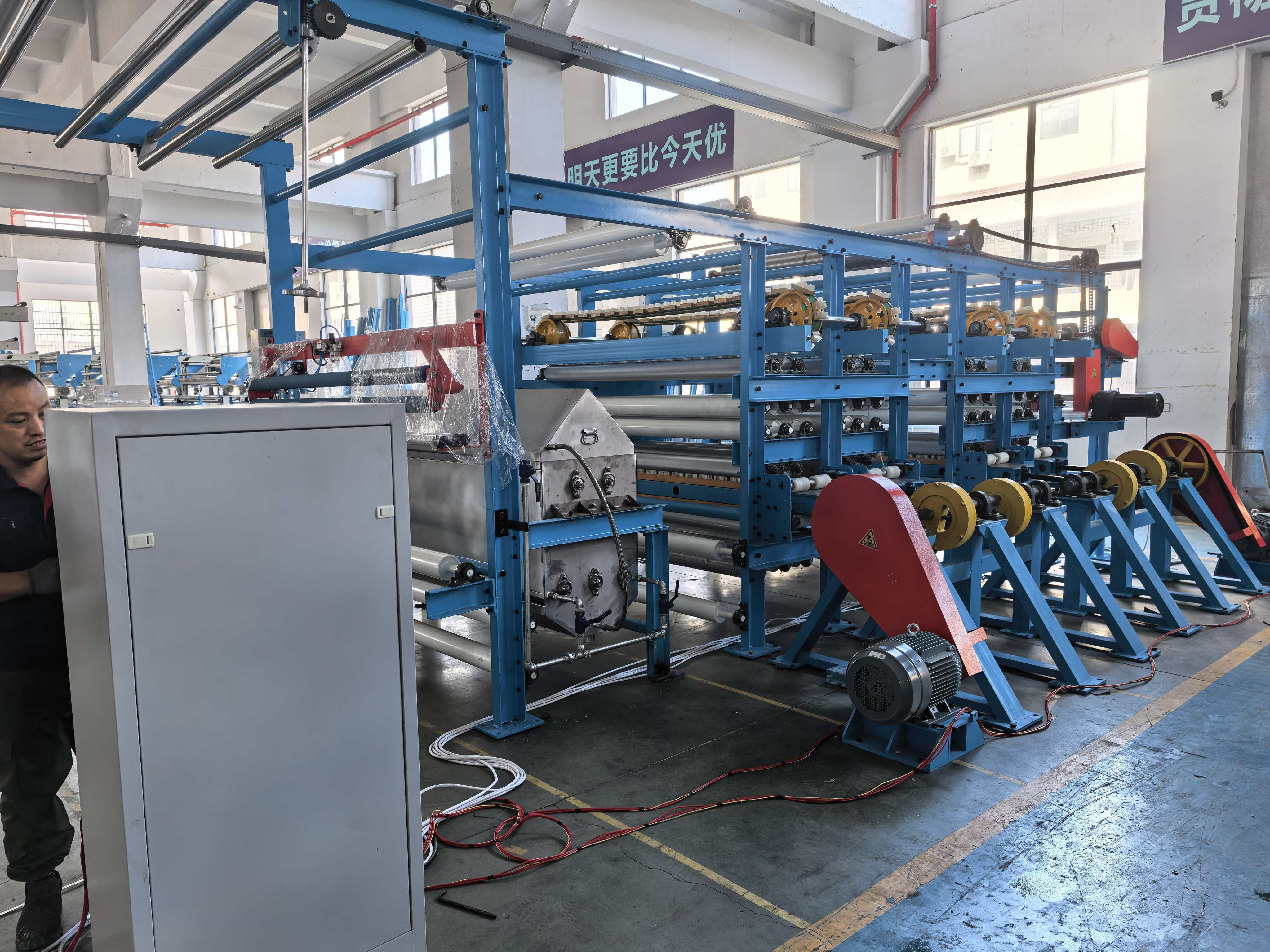
Table of Contents
- Core Functional Mechanism of Textile Brushing Machines
- Differentiated Application for Various Fabric Categories
- Industry Standards for Qualified Fabric Surface Finishing
- Practical Operation and Daily Quality Management
- Market Advantages Brought by Premium Fabric Textures
- Professional Manufacturing and Full Set Service Support