 EN
EN


Energy Efficiency: A Competitive Advantage
Today's textile finishers run modern finishing lines that are trying to improve quality with a large range of technologies while decreasing operational costs and satisfying environmental concerns. Finishing and dyeing mills spend the highest operational costs for energy on processes like drying. Energy authorities and industry leaders have noted that through optimum utilization of the finishing equipment, mills can reduce energy costs by 20-35% while maintaining or enhancing fabric finishing and dyeing quality. This change will be necessary to improve long term profitability by eliminating carbon dioxide emissions. Mills that implement energy technologies are able to charge more for their products and have their own compliance noted by global retailers and become more accountable to their brand.
Technologies that Improve Quality and Efficiency
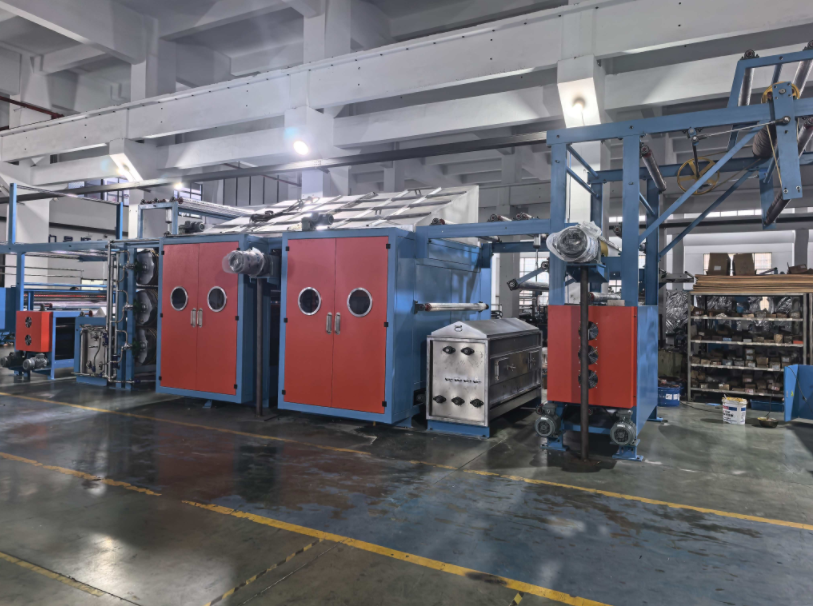
The advanced fabric finishing machines apply high energy technologies that are exclusive, patented and proven, to ensure that quality and finish are not sacrificed for the reduction of energy and materials. These machines utilize electrical heating systems that have proven to be more efficient by ensuring that energy is not lost with uneven heating to improve stability and surface finish. These machines utilize closed loop air systems with heat transfer to reduce heating demands. These machines are operated on precision position control to ensure that heat, speed and surface treatments are not wasted while avoiding over finishing. These machines utilize advanced design systems that are focused on proven engineering design to ensure that the end products have greater quality while consuming less energy.
Operational Advancements in Everyday Production
Practical experience in Asian and European textile manufacturing demonstrates an improvement in production efficiency after the incorporation of energy-saving Finishing Lines technology. Optimized drying cycle technology along with moisture profiling lowers moisture variance creating an operating environment conducive to increased dye uptake. Low fire requirements technology characterizing singeing units optimally processes and removes ready loose fibers while creating a finishing surface that prevents activated pilling. Optimally powered upward brushing lifts fibers creating a product of improved softness and texture again while maintaining energy efficiency. Maximum operator adjustment is achieved with automation technology that establishes performing levels allowing First Pass Yields to be increased and production delays to be decreased. Collectively these persistent improvements lead to increased production with a achieving consistent output and minimizing operational downtime while creating significant savings on a monthly basis.
Economic and Environmental Returns on Investment
The business case that Finishing Lines technology is energy efficient HVAC technology is solid and in the most case proven with industry figures. Mills benefit with improved operating gross margin due to reduced mill operational costs in maintaining HVAC and due to a decrease in the total costs associated with the purchase of less gas and electricity to fuel the mill. Environmentally each mill will realize less carbon produced in the mill, less heat generated and less man-made thermal pollution and fining the mill with stricter Environmental Codes relating to the “Green” Manufacturing philosophy that the larger Global Brands are demanding in their manufacturing. With the use of energy efficient technology are the Environmental Standards that many textile purchasers now apply to their supplier audit processes so the efficient technology is now the purchase of the energy efficient mill technology that the purchaser will secure a long-lasting business contract with the mill. With the increase of technology in the mill, the Return on Investment has resulted with lower utility costs and improved customer relations in the market place in a period of 1 to 3 Years.
Adaptable and Energy Efficient Design
One concern often raised is that energy saving design may limit flexibility for small runs of specialized fabrics. Contemporary high efficiency machines have addressed this challenge through modular architecture and programmable features that facilitate rapid changeovers. Units provide consistent efficiency with fabrics such as corduroy, knitted, chemical fiber cloth, or wide curtain materials. Mills can customize machines to specific types. It ensures energy saving features operate with full functionality across a wide range of applications. This means small and even medium scale mill facilities can adopt green technology while still flexibly addressing market changes.
Trustworthy Manufacturing and Guaranteed Support for Eco-Friendly Production
In more than a decade of research and development, Schneider Textile has created a fully energy efficient lineup of fabric finishing equipment. With a large production base and strict quality control, along with patented technical solutions, Schneider Textile has created machines that are stable, low consuming, and are utilized in production facilities in over ten countries. Production is flexible enough to handle one-off orders, and complete service after the sale guarantees the machine will work as intended for many years. With Schneider Textile, textile companies are investing in high quality, efficient finishing systems that provide eco-friendly production solutions.
Table of Contents
- Energy Efficiency: A Competitive Advantage
- Technologies that Improve Quality and Efficiency
- Operational Advancements in Everyday Production
- Economic and Environmental Returns on Investment
- Adaptable and Energy Efficient Design
- Trustworthy Manufacturing and Guaranteed Support for Eco-Friendly Production