 EN
EN



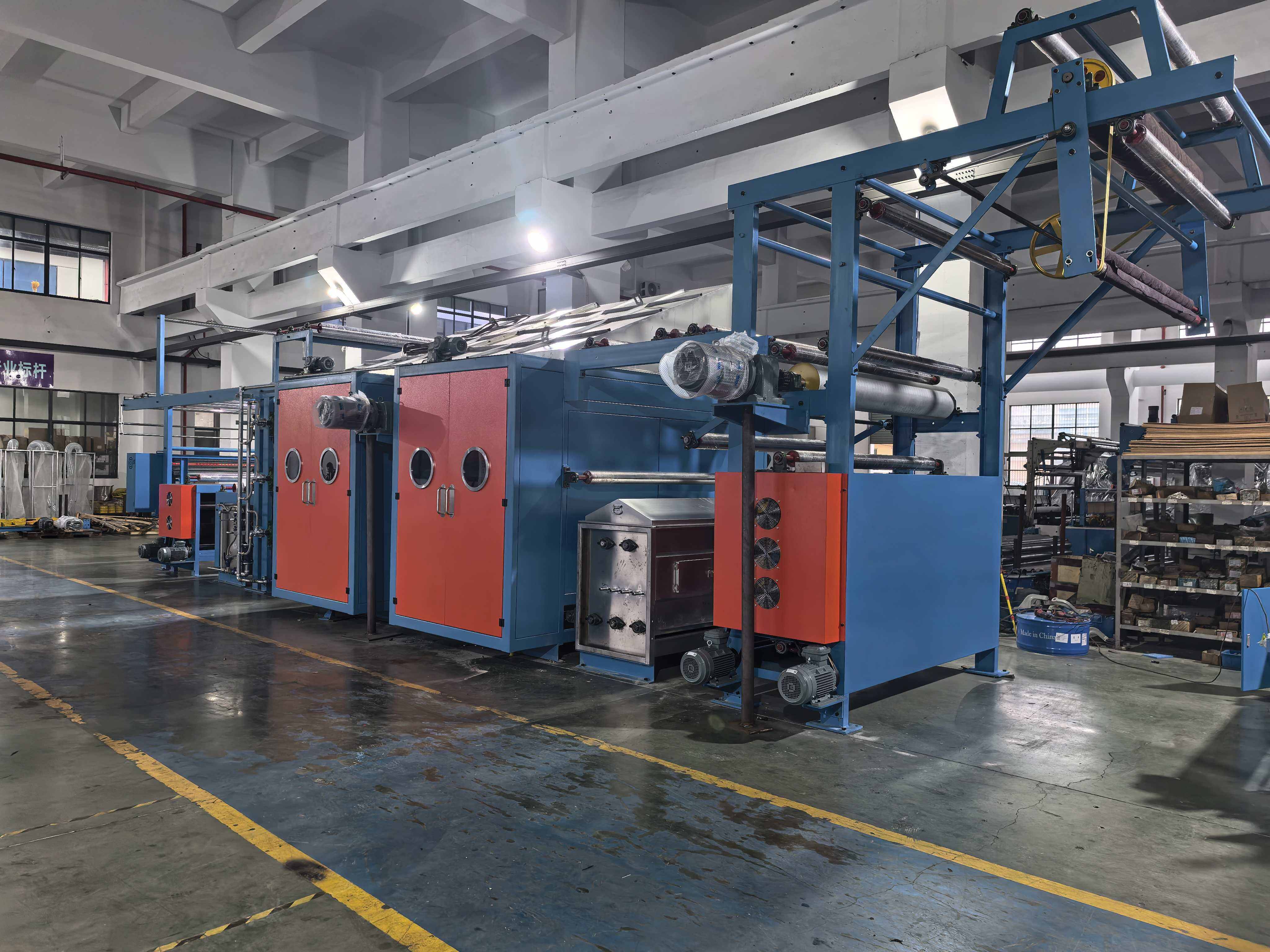
Fabric Dryer Types: Matching Technology to Material and Throughput Needs
Vented, Condenser, Heat Pump, and Gas Industrial Fabric Dryers Explained
Industrial fabric dryers come in several different thermal configurations, each designed to handle specific materials, production volumes, and space limitations within facilities. Vented models work by blowing out moist air outside, which lets them dry things fast at temperatures around 160 to 180 degrees Fahrenheit. This works great for thick fabrics that hold onto water like denim jeans or heavy cotton stuff. The downside? They need proper ducting installed and someplace to vent all that hot air. Condenser dryers keep the heat inside instead, so they save about 30% on energy costs compared to those vented ones. Their temp control stays below 140 degrees, making them good for medium sized batches of synthetic materials. Heat pump dryers are actually pretty amazing when it comes to efficiency, using up to 60% less power than regular systems because they grab heat back from the exhaust air. But these aren't really built for super high volume work since they take longer per load, which matters most when dealing with delicate fabric mixes where preserving fibers is more important than getting things done quickly. Gas dryers provide really strong heat that responds fast, cutting down drying time by roughly 40% in big cotton operations as long as there's access to natural gas and local regulations permit it. Choosing between all these options means weighing factors like how fast things need to dry, what kind of fabrics are being processed, ongoing energy expenses, and what kind of utilities already exist at the facility.
How Fabric Type (Cotton, Synthetics, Blends, Delicates) Drives Dryer Selection
What kind of fabric we're dealing with determines whether a dryer will work well or not, affecting both how it performs right now and how the clothes hold up over time. Take cotton for instance. It holds onto water really well, sometimes absorbing up to 27% of its own weight in moisture. That means we need powerful dryers that can handle high heat, typically vented or gas models running between 160 to 180 degrees Fahrenheit. These temperatures help evaporate all that moisture without leaving things damp behind. Now synthetics like polyester or nylon behave differently because they're thermoplastics. If we push them past around 140 degrees, they start to melt, shrink, or develop that glossy look on the surface. For these materials, condenser or heat pump dryers make much better sense since they keep temperatures under control at lower levels. When it comes to blends such as cotton-polyester mixes, things get tricky. We need dryers with smart controls that can sense humidity levels and run multiple drying stages so we don't dry out the synthetic parts too much while still getting rid of all the moisture from the natural fibers. Delicate fabrics including silk, lace, and those fine knit materials require special care. Airflow shouldn't exceed 2 meters per second, temperatures must stay below 120 degrees, and there should be plenty of time for cooling down after heating to prevent sudden temperature changes damaging the fabric. Getting these settings right matters a lot because otherwise we end up with clothes that lose their shape, pick up lint from static electricity, or even bleed colors. This attention to detail makes all the difference when maintaining consistent quality across different product lines.
Critical Performance Parameters for Reliable Fabric Dryer Operation
Temperature, Airflow, and Humidity Control in Industrial Drying Cycles
In industrial drying operations, having consistent control over multiple parameters is what makes the process truly reliable. The temperature needs to stay within specific ranges for different materials, typically between 90 and 130 degrees Celsius for most woven fabrics. This helps remove moisture without weakening the fibers or affecting dye quality. Getting the airflow right across the entire drum is crucial too, since uneven distribution can lead to hot spots or areas that don't dry properly. Variable frequency drives adjust fan speeds based on fabric type, running slower for delicate silks and faster when handling tougher materials like denim. Moisture sensors continuously monitor conditions, making automatic adjustments to drying times so the process stops just as soon as fabrics reach their target moisture content. This prevents synthetic materials from becoming brittle and cuts down on wasted energy. Industry data shows these combined control systems can cut fabric damage caused by poor drying practices by around 40%, as noted in reports from textile professionals at organizations like AATCC.
Moisture Content Thresholds and Heat-Sensitive Fabric Safety Limits
The amount of residual moisture left after drying determines whether something is truly dry or not—and getting this right matters a lot for how long products last on shelves, how stable they are during processing, and their final performance characteristics. When it comes to storing materials and finishing them later, we generally want around 5 to 8 percent moisture content. That's low enough to stop bacteria from growing but still keeps fibers flexible and maintains those moisture-wicking properties important for technical fabrics. Some materials can't handle much heat at all. Wool and silk start breaking down permanently once temperatures go over 60 degrees Celsius. Most synthetic fabrics fare better, usually tolerating up to about 80 degrees before their molecular structure starts to break apart. Going beyond these thresholds leads to problems like permanent shrinking, reduced stretchiness, or annoying little balls forming on surfaces. Modern drying equipment now includes what manufacturers call "cool down phases" where cold air keeps flowing even after the main drying cycle ends, helping release built up heat slowly without damaging the material. These machines also have built in safety features that constantly check both temperature and humidity levels. If readings drift too far from target ranges (like plus or minus 2 degrees Celsius or 3 percent relative humidity), the system automatically shuts off to protect quality. This approach meets requirements set by industry standards such as ISO 105-X12 and AATCC Test Method 202, which many textile producers need to follow for proper certification.
Production-Ready Selection Criteria for Industrial Fabric Dryers
Load Capacity, Line Integration, and Throughput Alignment
When picking out a production grade fabric dryer, it's important to match what's on paper with what actually happens on the factory floor—not just those fancy peak numbers manufacturers throw around, but how well the machine performs consistently over time. Let's start with load capacity first. The drum needs to hold regular batch sizes but leave about 10 to 15 percent extra space so air can circulate properly. If we go too small, we end up with bottlenecks all over the place. Go too big though, and we waste energy plus put unnecessary strain on components. Integration matters next. Dryers need to talk back and forth with both the washing machines before them and whatever comes after in the finishing process. Standard PLC protocols like EtherNet/IP or Modbus TCP are pretty much essential here. Automated systems such as overhead monorails or conveyor belt loaders cut down on manual work by roughly a quarter to 40 percent, which means less fabric gets damaged from handling stress. For throughput compatibility, do the math based on fabric type, how wet it starts out, and what level of dryness we want at the end. Denim that's completely soaked might take 40 minutes in the dryer while pre-treated polyester could be done in half that time. Keep dryer output within 2 percent of line speed to avoid stoppages. All these considerations together really help hit those OEE targets most factories chase after, improving not just uptime and efficiency but also making sure the final product meets quality standards through multiple shifts.
Optimizing Fabric Dryer Integration in End-to-End Garment Production Lines
Getting fabric dryers properly integrated into garment manufacturing isn't just about throwing them into the mix. There are really three main things that need to work together: matching the load capacities, making sure everything can talk to each other automatically, and capturing as much heat as possible. Let's start with throughput. The whole wet process needs to match up. If we've got a rotary dryer handling 200 kg per hour, then our washers and extractors better be putting out around the same amount too. Otherwise we'll end up with backups or empty spots where fabrics get stuck. Next comes automation. This part is actually pretty critical these days. Dryers equipped with PLC controls and those fancy IoT sensors let us monitor moisture levels down to within half a percent accuracy. That means when different fabric blends come through during production runs, we can adjust cycles on the fly instead of relying on old school guesswork that leads to wasted time and materials. And finally there's heat recovery. These modules grab back about 60 to 70% of the thermal energy from exhaust gases. What does that mean practically? Gas bills drop by roughly 15 to 25%, but we still keep humidity under control below 12% relative humidity. Why does that matter so much? Well, cotton knits tend to shrink if not managed right, and synthetic fabrics can melt or warp otherwise. Put all these elements together and manufacturers see their overall drying costs cut by around 30%. Plus orders get fulfilled faster since dryers become smart components rather than just another piece of equipment sitting there doing its thing.
FAQ Section
What are the main types of industrial fabric dryers?
There are several types of industrial fabric dryers including vented, condenser, heat pump, and gas dryers, each suitable for different fabric types and production needs.
How does fabric type influence dryer selection?
Fabric type dictates the choice of dryer because different materials have varying heat tolerance and moisture retention levels. For instance, cotton requires high heat, while synthetics need controlled lower temperatures.
What factors are important for efficient dryer operation?
Key factors include maintaining correct temperature, airflow, and humidity levels, which help prevent fabric damage and optimize energy use.
How can industrial dryers be integrated effectively into production lines?
Integration requires matching dryer capacity with other machinery, implementing automated systems for communication, and utilizing heat recovery to enhance efficiency and reduce costs.