 EN
EN


Top 10 Advantages of Using a Textile Singeing Machine in Fabric Processing | Shneiter Guide
Introduction
In modern textile manufacturing, achieving smooth fabric surfaces and consistent quality is essential for meeting market expectations. Textile singeing machines play a critical role in this process by removing protruding fibers from fabric surfaces, resulting in a cleaner and more refined finish. As textile quality standards continue to rise globally, manufacturers are increasingly adopting advanced finishing technologies to stay competitive. According to Textile Today, fabric finishing processes are becoming a major factor in determining product value and performance.
For manufacturers aiming to improve both efficiency and product quality, understanding the advantages of singeing machines is essential. In this guide, we explore how singeing technology works and how Shneiter supports modern fabric processing solutions.
What Is a Textile Singeing Machine
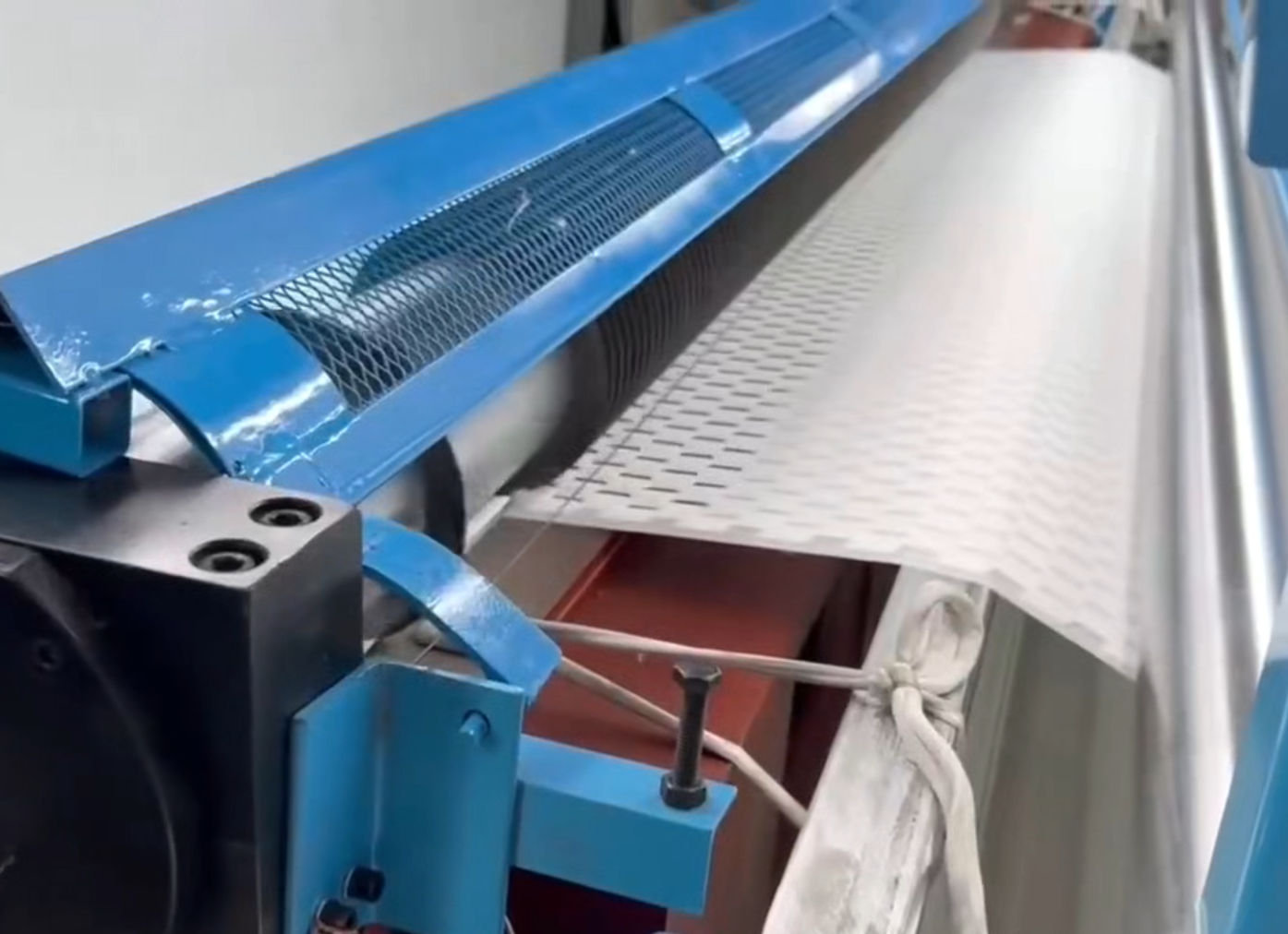
A textile singeing machine is a finishing device used to remove loose fibers or fuzz from the surface of woven or knitted fabrics. This is typically achieved by passing the fabric over controlled flames or heated plates, which burn off protruding fibers without damaging the main structure of the material.
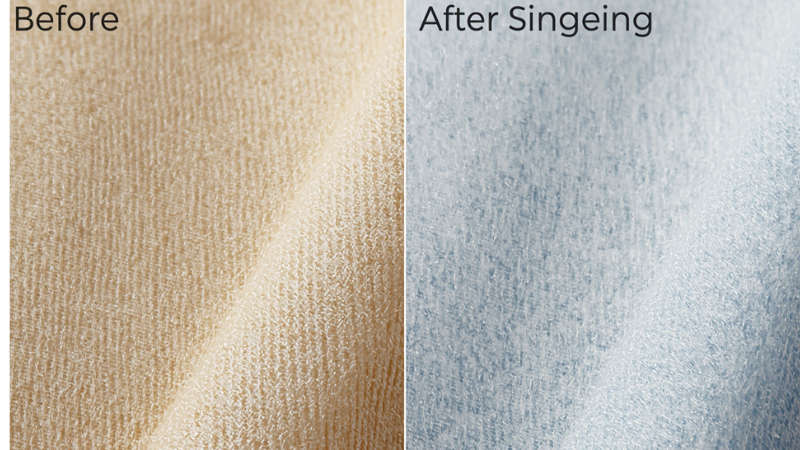
By creating a smoother surface, singeing improves the appearance and performance of fabrics, making them more suitable for dyeing, printing, and further finishing processes. This step is widely considered essential in high-quality textile production, especially for industries requiring premium fabric finishes.
Top Advantages of Using a Textile Singeing Machine
Textile singeing machines provide multiple advantages that directly impact both production efficiency and fabric quality. One of the most important benefits is the improvement in fabric smoothness, which enhances the final appearance and feel of the material. Fabrics processed with singeing technology are less prone to pilling and offer better print clarity, making them ideal for high-end applications.
Another key advantage is improved dyeing consistency, as removing surface fibers allows dyes to penetrate evenly across the fabric. According to ScienceDirect, proper singeing significantly enhances dye absorption and reduces defects in finished textiles. This results in more uniform color and higher product quality.
Singeing also contributes to better fabric durability by eliminating weak surface fibers that could cause wear over time. In addition, it helps reduce lint formation during downstream processes, improving overall production cleanliness and efficiency. These combined benefits make singeing machines a valuable investment for manufacturers focused on long-term performance.
Performance Impact Across Textile Processing Stages
To better understand the role of singeing machines, the table below highlights how they improve different stages of textile processing.
| Processing Stage | Without Singeing | With Singeing |
|---|---|---|
| Fabric Surface | Rough and fuzzy | Smooth and clean |
| Dyeing Quality | Uneven absorption | Consistent coloration |
| Printing Results | Blurred patterns | Sharp and clear |
| Durability | Higher pilling risk | Improved resistance |
| Production Efficiency | More defects | Reduced rework |
This comparison demonstrates how singeing technology enhances both quality and operational efficiency.
Industrial Role in Modern Textile Manufacturing
Singeing machines are widely used in textile production lines as a critical pre-treatment step before dyeing and finishing. Their ability to improve fabric quality makes them indispensable for manufacturers targeting premium markets.
According to OECD, improving manufacturing processes is essential for increasing industrial productivity and global competitiveness. In textile processing, singeing plays a key role in achieving these goals by reducing defects and enhancing product consistency.
As demand for high-quality textiles continues to grow, singeing machines are becoming standard equipment in modern textile facilities.
Additional Insight: Improving Downstream Processing Efficiency
One often overlooked advantage of singeing machines is their impact on downstream processes such as dyeing, printing, and finishing. By preparing the fabric surface in advance, singeing reduces the likelihood of defects that could require reprocessing or correction.
This not only improves overall efficiency but also lowers production costs by minimizing waste and reducing the need for additional treatments. Manufacturers who integrate singeing into their production lines often achieve smoother workflows and better resource utilization.
Shneiter: Advanced Solutions for Textile Finishing
As a trusted textile machinery provider, Shneiter offers advanced singeing machines designed for modern industrial applications. Their equipment combines precision control, durability, and efficiency to deliver consistent finishing results.
By focusing on innovation and performance, Shneiter helps manufacturers enhance fabric quality while optimizing production processes. For businesses aiming to upgrade their finishing capabilities, partnering with a reliable supplier is essential for long-term success.
FAQ: Textile Singeing Machines
What types of fabrics can be treated with a singeing machine?
Singeing machines can process a wide range of fabrics, including cotton, polyester, and blended materials, as long as proper settings are applied.
Does singeing damage fabric?
When properly controlled, singeing removes only surface fibers without affecting the structural integrity of the fabric.
Why is singeing important before dyeing?
It improves dye absorption and ensures more uniform color distribution across the fabric.
Is singeing necessary for all textile products?
While not always required, it is essential for high-quality fabrics where smoothness and appearance are critical.
Can singeing improve printing results?
Yes, smoother fabric surfaces lead to sharper and more accurate printed designs.
Conclusion
Textile singeing machines offer significant advantages in improving both fabric quality and production efficiency. By removing surface fibers and preparing fabrics for further processing, they help manufacturers achieve higher standards and reduce operational issues.
As the textile industry continues to evolve, adopting advanced finishing technologies like singeing will be key to maintaining competitiveness. With reliable solutions from Shneiter, manufacturers can enhance production performance and deliver superior textile products.
Call to Action
If you are looking to improve fabric quality and streamline your textile finishing process, choosing the right singeing machine is essential for achieving consistent results.
Explore advanced solutions from Shneiter and discover how modern singeing technology can elevate your production capabilities. Contact us today to receive a customized solution tailored to your production needs. Speak with our technical team to find the best finishing solution for your factory.
Table of Contents
- Top 10 Advantages of Using a Textile Singeing Machine in Fabric Processing | Shneiter Guide
- Introduction
- What Is a Textile Singeing Machine
- Top Advantages of Using a Textile Singeing Machine
- Performance Impact Across Textile Processing Stages
- Industrial Role in Modern Textile Manufacturing
- Additional Insight: Improving Downstream Processing Efficiency
- Shneiter: Advanced Solutions for Textile Finishing
- FAQ: Textile Singeing Machines
- Conclusion
- Call to Action