 EN
EN



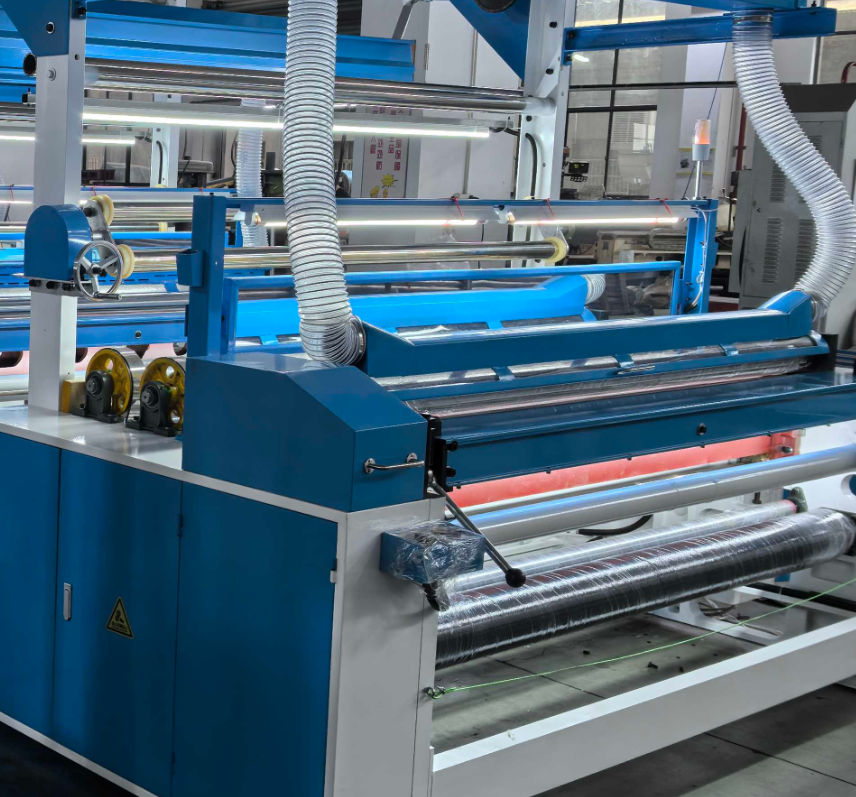
Fabric Dryer Fundamentals: How Thermal and Mechanical Design Drive Performance
Introduction
In today’s textile industry, manufacturers are constantly under pressure to increase production efficiency while maintaining consistent fabric quality. Fabric dryers play a crucial role in achieving both goals by ensuring fast and uniform moisture removal after washing, dyeing, or finishing processes. As highlighted by Textile World, process optimization and automation are key drivers of efficiency in modern textile manufacturing.
For companies aiming to scale operations, understanding how fabric dryers contribute to both productivity and product quality is essential. In this guide, we explore the core role of fabric dryers and how Shneiter supports efficient and reliable textile processing solutions.
What Is a Fabric Dryer in Textile Processing
A fabric dryer is an industrial machine designed to remove moisture from textiles using controlled heat and airflow. It is typically used after wet processing stages such as washing or dyeing to prepare fabrics for finishing or packaging.
Modern fabric dryers are integrated into automated production lines, allowing precise control over temperature, airflow, and drying time. This ensures that different types of fabrics, including cotton, polyester, and blended materials, are processed safely and efficiently without compromising their structure or appearance.
How Fabric Dryers Improve Production Efficiency
Fabric dryers significantly improve production efficiency by reducing drying time and enabling a continuous workflow. Instead of relying on slow or inconsistent natural drying methods, advanced machines use optimized heat circulation systems to accelerate moisture removal.
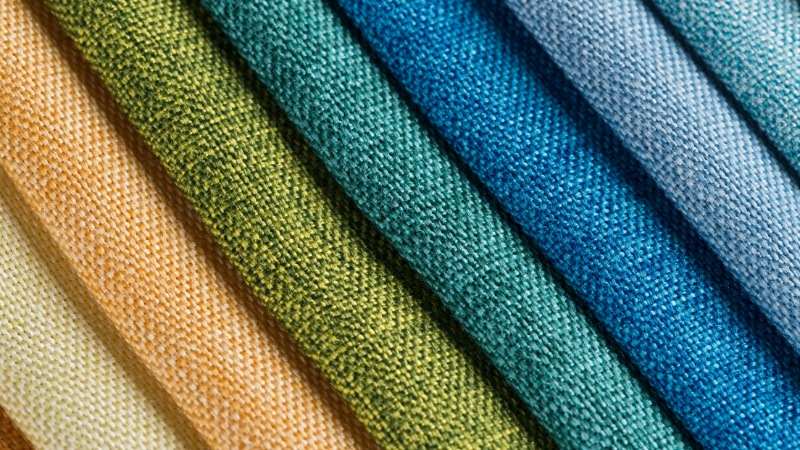
According to the International Textile Manufacturers Federation, improving process speed is one of the most effective ways to enhance overall textile productivity. By eliminating bottlenecks in the drying stage, manufacturers can increase output and reduce turnaround time, making their operations more competitive.
Enhancing Fabric Quality Through Controlled Drying
In addition to efficiency, fabric dryers are essential for maintaining and improving product quality. Controlled drying conditions ensure that fabrics retain their original texture, color, and dimensional stability throughout the process.
Advanced systems prevent issues such as uneven drying, overheating, or shrinkage by using precise temperature and airflow control. This level of consistency is critical for industries that demand high-quality textiles, including fashion, home furnishings, and technical applications.
Performance Comparison: Modern vs Traditional Drying Methods
To better understand the benefits of advanced fabric dryers, the following table compares modern systems with traditional drying approaches.
| Feature | Modern Fabric Dryer | Traditional Drying |
|---|---|---|
| Drying Speed | Fast and consistent | Slow and uneven |
| Energy Efficiency | Optimized | Higher consumption |
| Quality Control | Precise and stable | Variable |
| Labor Requirement | Low | High |
| Production Capacity | High | Limited |
This comparison clearly shows why modern fabric dryers are becoming a standard choice for industrial textile production.
Industrial Role in Textile Manufacturing
Fabric dryers are a key component of textile production lines, ensuring that fabrics are properly prepared for downstream processes. As the industry shifts toward sustainability and efficiency, the role of advanced drying equipment becomes even more important.
According to the European Environment Agency, improving energy efficiency in industrial processes is essential for reducing environmental impact. Fabric dryers with optimized energy consumption help manufacturers meet these requirements while maintaining high production standards.
Additional Insight: Energy Efficiency and Cost Optimization
Balancing performance with energy consumption is a key challenge in textile manufacturing. Modern fabric dryers are designed with energy-saving technologies such as heat recovery systems and optimized airflow circulation.
These features allow manufacturers to reduce operational costs while maintaining high drying efficiency. Companies that invest in energy-efficient drying solutions not only lower expenses but also improve sustainability performance, which is increasingly important for global clients and regulatory compliance.
Shneiter: Supporting Advanced Textile Processing
As a professional textile machinery provider, Shneiter offers advanced solutions designed to enhance production efficiency and fabric quality. Their equipment is built with durability and automation in mind, making it suitable for modern industrial environments.
By integrating reliable engineering and innovative design, Shneiter helps manufacturers optimize their production processes and achieve consistent results. For businesses aiming to upgrade their textile operations, working with a trusted supplier is a critical step toward long-term success.
FAQ: Fabric Dryers in Textile Processing
What fabrics can be processed using a fabric dryer?
Fabric dryers can handle a wide range of materials, including cotton, polyester, blends, and technical textiles, as long as proper settings are applied.
Do fabric dryers significantly improve production efficiency?
Yes, modern dryers reduce drying time and enable continuous production, which greatly improves overall operational efficiency.
How do fabric dryers maintain fabric quality?
They use controlled heat and airflow to ensure uniform drying, preventing shrinkage, deformation, or uneven texture.
Are fabric dryers energy-efficient?
Many advanced models include energy-saving technologies that reduce power consumption while maintaining performance.
Is it worth upgrading to a modern fabric dryer?
For businesses aiming to improve productivity and product quality, upgrading to a modern system can deliver strong long-term benefits.
Conclusion
Fabric dryers are essential for improving both efficiency and quality in textile processing. By enabling faster drying and maintaining consistent fabric properties, they help manufacturers meet increasing production demands while controlling costs.
As the textile industry continues to evolve, adopting advanced drying technology is key to staying competitive. With reliable solutions from Shneiter, businesses can achieve scalable production and long-term operational success.
CTA
If you are looking to improve your textile processing efficiency with advanced fabric drying solutions, choosing the right equipment partner is critical for long-term success.
Explore innovative solutions from Shneiter and discover how modern fabric dryers can transform your production line. Contact us today to get a customized solution tailored to your production needs.
Table of Contents
- Fabric Dryer Fundamentals: How Thermal and Mechanical Design Drive Performance
- Introduction
- What Is a Fabric Dryer in Textile Processing
- How Fabric Dryers Improve Production Efficiency
- Enhancing Fabric Quality Through Controlled Drying
- Performance Comparison: Modern vs Traditional Drying Methods
- Industrial Role in Textile Manufacturing
- Additional Insight: Energy Efficiency and Cost Optimization
- Shneiter: Supporting Advanced Textile Processing
- FAQ: Fabric Dryers in Textile Processing
- Conclusion
- CTA