 EN
EN



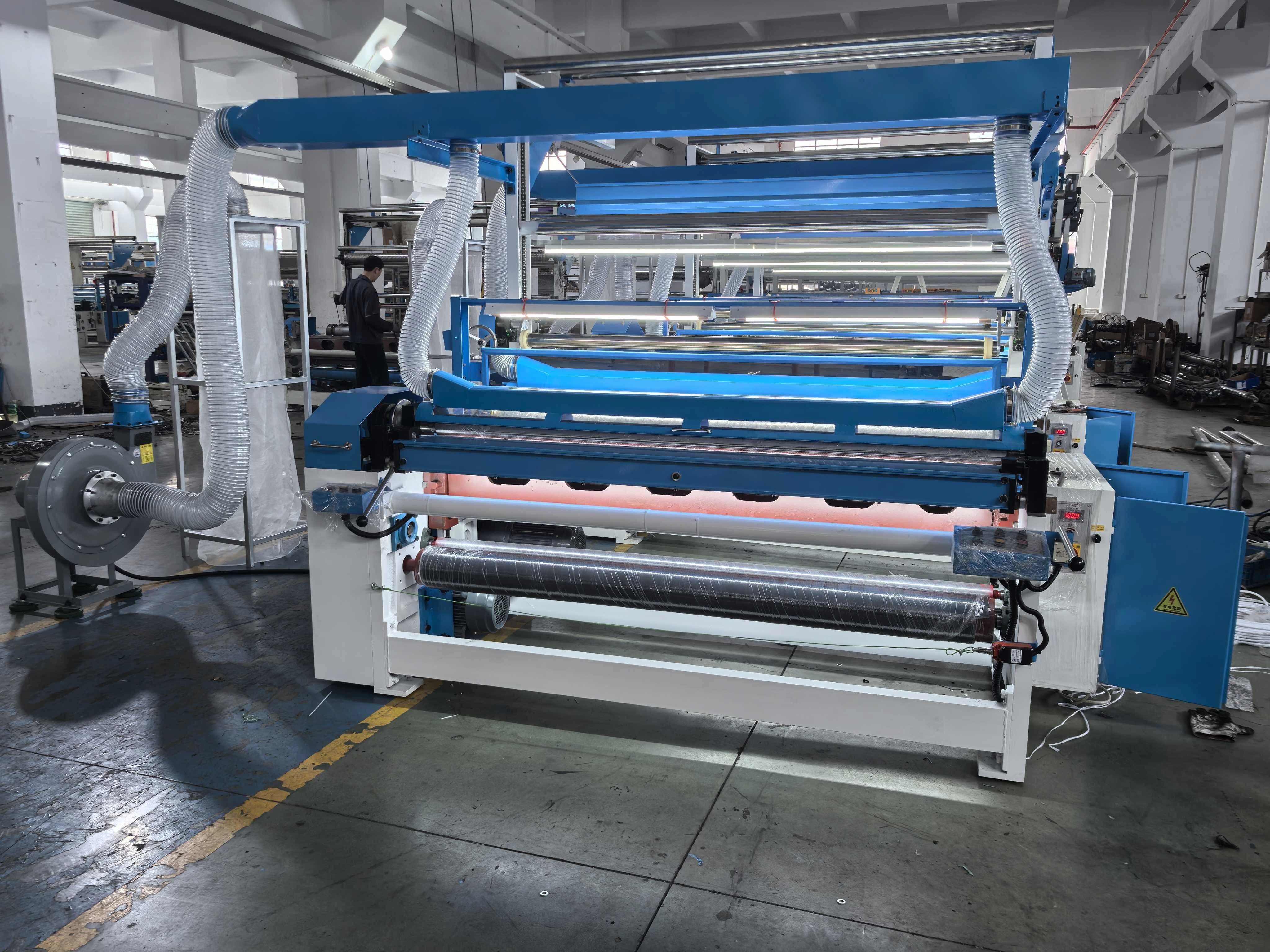
Establish a Tiered Preventive Maintenance Schedule for Your Fabric Finishing Machine
Why Unplanned Downtime Costs Textile Mills Up to 20% of Annual Output
When fabric finishing machines break down, they bring everything to a screeching halt, causing all sorts of problems downstream. Missed deliveries happen, contracts get penalized, and workers sit around doing nothing while the clock ticks. According to the Textile Manufacturing Report from last year, most textile mills deal with about 800 hours of unexpected downtime each year, which cuts into their production capacity somewhere around 20%. And things get even worse when operations try to rush back online after these breakdowns because the fabric quality just isnt consistent anymore. Implementing a good preventive maintenance plan across different levels can actually stop these sudden failures before they occur. This approach not only gets lost production time back but also helps maintain better quality throughout the manufacturing process.
How Data-Driven Scheduling Reduces Breakdowns by 45–60%
Fabric finishing machines today come equipped with sensors that track all sorts of operational data including vibration patterns, motor temps, and changes in steam pressure. When maintenance staff look at these numbers, they can spot problems developing in parts that take the most punishment, such as heat transfer rollers and tension assemblies. Rather than sticking to rigid schedules, technicians create flexible maintenance plans based on what the machines actually need. They might check lubrication points every day, verify calibrations once a week, and inspect bearings monthly depending on how stressed each component really is. Plants that implement this kind of predictive maintenance see their breakdown rates drop between 45 and 60 percent according to recent industry research. Components last longer too since operators catch potential overloads well before any actual failures happen.
Run Daily Pre-Shift Checks to Ensure Fabric Finishing Machine Safety and Consistency
Critical Fluid, Pressure, and PLC System Verification Steps
Before each production run, operators must verify three foundational systems to prevent catastrophic failures:
- Hydraulic/Pneumatic Fluids: Check levels and inspect lines for leaks. Low fluid pressure causes 23% of tension system failures in finishing machines (Textile Manufacturing Journal, 2023).
- Steam Pressure Gauges: Confirm readings align with setpoints. Deviations exceeding 5% signal calibration drift or regulator issues.
- PLC (Programmable Logic Controller) Diagnostics: Review error logs and test emergency stop responsiveness—ensuring safety-critical logic remains fully functional.
Quick Mechanical Walk-Around: Spotting Belt Slippage, Bearing Noise, and Tension Drift
Conduct a focused 3-minute visual and auditory inspection of high-failure zones:
- Drive Belts: Listen for squealing (a sign of slippage) and confirm alignment. Misaligned belts increase motor wear by 40%.
- Bearings: Place hand on housings to detect abnormal vibration; use a stethoscope to identify grinding or screeching—early indicators of lubrication breakdown or race damage.
- Tension Rollers: Verify parallel alignment and check for fabric residue buildup. Uneven tension contributes to 17% of fabric puckering defects.
Consistent execution of these checks reduces safety incidents by 34% and prevents 68% of unplanned downtime in fabric finishing operations.
Maintain Optimal Performance Through Targeted Cleaning and Lubrication of Your Fabric Finishing Machine
Steam Chamber and Tension Zone Cleaning Protocols to Eliminate Lint-Related Defects
According to recent studies published in the Textile Research Journal back in 2023, lint buildup inside those steam chambers and around tension zones actually causes about 37% of all surface flaws we see on finished fabrics. To tackle this problem head on, most textile shops implement daily compressed air blasts through those steam nozzles while also doing a thorough manual sweep of debris from tension rollers at least once a week. When dealing with really tough residue that just wont budge, operators reach for soft bristled brushes along with whatever solvents the equipment maker specifically recommends these should only be used during planned maintenance periods though. Getting rid of this gunk matters because it stops issues like inconsistent moisture levels across the fabric and tension problems that lead to annoying streaks and fabric puckering. Before anyone starts cleaning up, they need to make sure all power sources are disconnected first thing. Also important check that the chamber hasnt cooled down below 50 degrees Celsius yet otherwise there could be serious risks involved. Safety always comes first when working with heat in these environments.
Precision Lubrication for High-Wear Components: Walking Foot, Feed Dogs, and Bearings
Components that experience high friction like walking feet, feed dogs and those pesky little bearings need regular lubrication that matches their operational frequency. The best approach? Synthetic lubricants delivered through needle applicators roughly every 250 hours of operation. Not enough lubricant will cause parts to wear down three times faster than normal according to industry data. But go too heavy handed and excess grease just picks up lint which eventually gets stuck in moving parts and causes all sorts of problems. When it comes specifically to bearings, manufacturers recommend applying grease with micro dispense tips right at those pivot points shown on original equipment manufacturer maintenance diagrams. Some important signs that its time for another round of lubrication include...
| Component | Symptom | Intervention Frequency |
|---|---|---|
| Feed Dogs | Fabric slippage | Every 200–300 runtime hours |
| Bearings | High-pitched whining | Quarterly |
| Walking Foot | Jerky motion | After 15,000 cycles |
Always verify lubricant viscosity compatibility with operating temperatures to avoid polymer degradation and seal compromise.
Replace Wear-Prone Parts Proactively to Extend Fabric Finishing Machine Lifespan
The constant strain on fabric finishing machines takes its toll over time, leading to regular wear and tear on parts like belts, rollers, bearings, and those tension assemblies everyone seems to forget about until they break down. Letting things fail before replacing them costs textile mills big time these days. Some factories are losing around 20% of what they produce each year because of unexpected breakdowns according to industry reports from last year. A better approach? Get ahead of the problem by following what the equipment manufacturers recommend plus keeping tabs on how long components actually last in practice. Keep track of when parts need changing based on how many hours the machine runs, look at patterns in vibration readings over time, and dont skip those routine visual checks either.
Replace high-wear elements—tension assemblies, feed mechanisms, drive belts—during planned maintenance windows. This avoids catastrophic failures that damage adjacent components and destabilize fabric quality. Proactive replacement extends equipment service life by 30–40%, protects capital investment, and sustains consistent throughput. Maintain critical spares inventory to prevent delays during upkeep.
| Replacement Strategy | Benefit | Implementation Tip |
|---|---|---|
| Hours-based replacement | Prevents fatigue failures | Log runtime automatically via PLC systems |
| Condition-monitored replacement | Optimizes part usage | Use infrared sensors for thermal mapping of bearings and motors |
| Cyclical preventive replacement | Minimizes unexpected downtime | Align with quarterly maintenance cycles |
This approach cuts emergency repair costs by up to 60% versus reactive maintenance—and prevents secondary damage to drive systems, electrical controls, and precision rollers.
FAQ
Why is preventive maintenance important in textile mills?
Preventive maintenance is important because it helps avoid unexpected machine downtimes, which can account for up to 20% reduction in production capacity annually. It ensures the consistent quality of the fabric produced and reduces the frequency of breakdowns.
How can data-driven scheduling benefit my textile operations?
Data-driven scheduling helps by using machine sensors to track and predict wear and possible failure points, allowing for customized maintenance schedules. This approach can reduce breakdown rates by 45-60%.
What are critical checks during pre-shift inspections?
Pre-shift checks should include verifying hydraulic and pneumatic fluid levels, steam pressure gauges, and checking PLC diagnostics to ensure safe and efficient machine operation.
How should high-wear components be maintained?
High-wear components should receive regular lubrication matching their operational frequency with synthetic lubricants. Components like walking feet, feed dogs, and bearings require precise lubrication for optimal functioning.
What is the benefit of proactive part replacement?
Proactive replacement of wear-prone parts prolongs machine lifespan, ensures reliable operation, and prevents catastrophic failures. It is more cost-effective compared to reactive maintenance and significantly reduces emergency repair costs.
Table of Contents
- Establish a Tiered Preventive Maintenance Schedule for Your Fabric Finishing Machine
- Run Daily Pre-Shift Checks to Ensure Fabric Finishing Machine Safety and Consistency
- Maintain Optimal Performance Through Targeted Cleaning and Lubrication of Your Fabric Finishing Machine
- Replace Wear-Prone Parts Proactively to Extend Fabric Finishing Machine Lifespan
- FAQ