 EN
EN



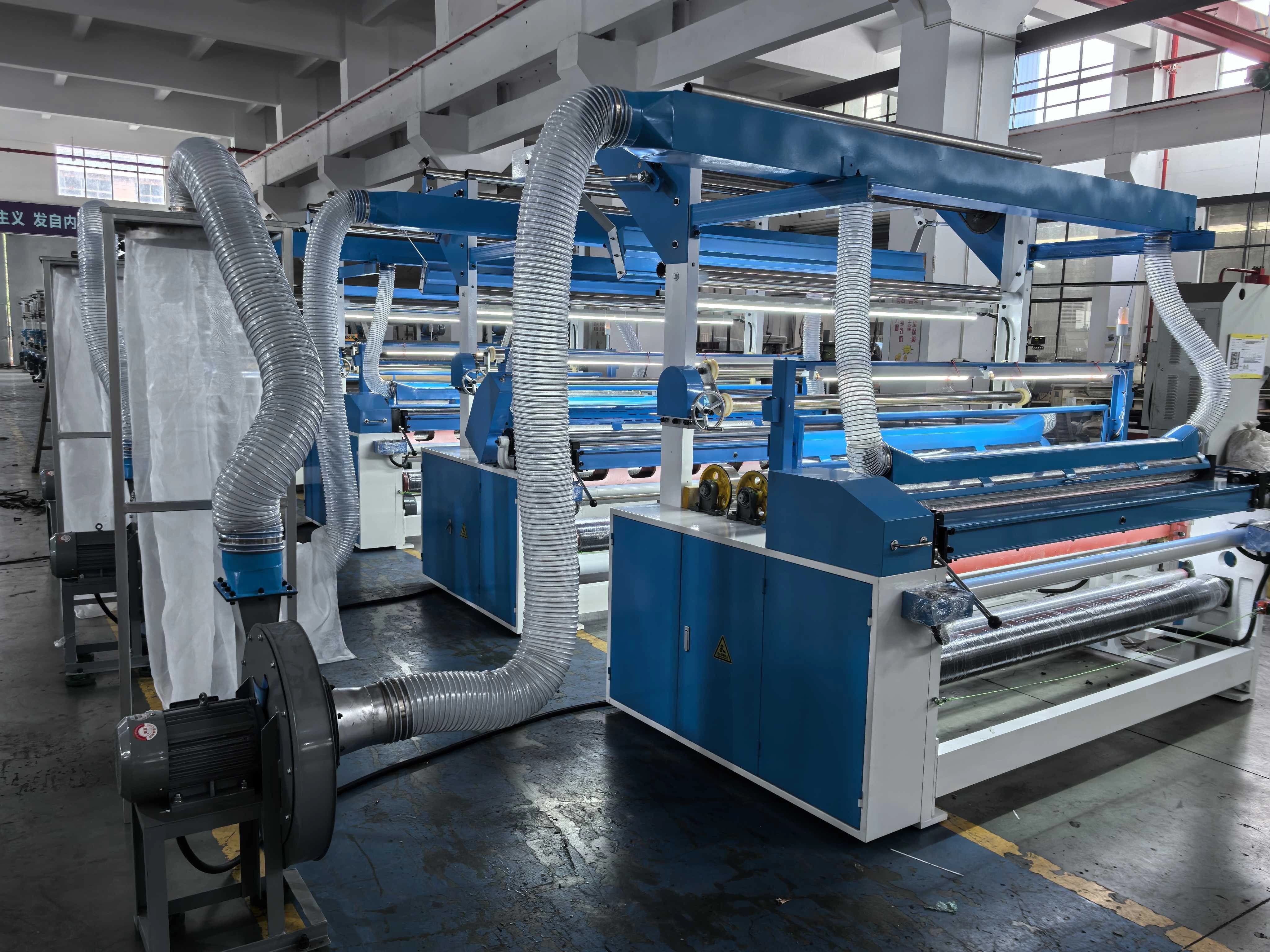
Aligning Fabric Finishing Machine Capacity with Production Requirements
Matching throughput, fabric type versatility (woven/knitted/nonwoven), and batch flexibility to daily output targets
When choosing a fabric finishing machine, getting the right match between what the equipment can do and what the operation actually needs becomes really important. The throughput capacity has to line up with daily production volumes. If companies underestimate their needs, they end up stuck with bottlenecks. But going overboard on capacity just burns through capital that could be better spent elsewhere. Machines that handle multiple fabric types matter too - woven, knitted, nonwoven fabrics all have different requirements. Equipment built for multi-substrate work cuts down on those expensive changeover periods and saves around 35% in setup time according to industry reports. Take a manufacturer running about 10,000 meters per day as an example. These operations need systems with automatic batch switching so they can handle those smaller custom jobs without messing up the big production runs. Flexibility in batch sizes is crucial for shops dealing with both made to order pieces and regular bulk production. Modular machine designs let operators switch quickly from those specialty 50 meter batches to standard 5,000 meter runs, maintaining responsiveness while keeping overall efficiency intact.
Optimizing process parametersâtemperature, tension, line speedâfor shrinkage control and dimensional stability
Getting the right balance between temperature and mechanical factors makes all the difference when it comes to fabric quality at the end of production. The temperature needs to match what kind of fibers are being used. For example, polyester blends usually need around 180 to 200 degrees Celsius during heat setting, but cotton works best when heated to about 150 to 160 degrees. This helps keep shrinkage rates within the standard 3 to 5 percent range that most manufacturers aim for. Tension control is another critical factor that affects how stable the dimensions remain after processing. If there's too much force applied, knitted materials can get distorted. On the flip side, not enough tension leads to inconsistent finishes and those annoying curled edges. Adjusting line speeds also plays a big role in balancing productivity against quality concerns. Slowing down from 50 meters per minute to just 30 meters per minute might seem small, but it actually reduces energy consumption by nearly 18 percent and boosts shrinkage consistency by almost 40 percent for finer textiles. All these different elements work together like parts of a feedback loop where real time monitoring constantly tweaks settings throughout production to maintain dimensional accuracy within half a percent across batches.
Selecting the Right Fabric Finishing Techniques for Target Performance
Comparing mechanical, chemical, and thermal finishing methods by hand-feel, durability, and end-use functionality
Mechanical finishing involves using physical techniques such as calendering or brushing to improve fabric texture and appearance while keeping things natural. No chemicals are added in this process, so fabrics maintain their original drape and ability to breathe properly. When it comes to chemical treatments, manufacturers apply various coatings like fluoropolymers or silicone emulsions that give materials special properties including fire resistance, water shedding capabilities, or even protection against microbes. However these treatments can change how the fabric feels when touched and sometimes make it harder for air to pass through. Thermal methods work differently by heating fibers to stabilize their structure, making sure clothes keep their shape after repeated wear and wash cycles. Performance clothing often relies on thermal finishing because it holds up better during intense activity. On the other hand, industries needing extremely durable materials or meeting strict regulations tend to go with chemical finishes instead. For high end fashion pieces where customers care about the actual feel of the garment and want something environmentally friendly, mechanical finishing is still the top choice among designers and manufacturers alike.
Classifying finishes: aesthetic (e.g., calendering), functional (e.g., water-repellent), and preparatory (e.g., singeing, heat-setting)
Textile finishes generally fit into three main groups depending on what they're meant to do. For looks and feel, we have things like embossing, napping, or mercerization techniques that make fabrics look better and feel nicer to touch. These are pretty much essential for anything in fashion or home decor where appearance matters a lot. Then there are functional finishes that actually change how the fabric performs. Think about moisture wicking stuff for athletic wear, coatings that keep dirt off hotel sheets, or UV protection treatments for fabrics used outside. The third category includes preparatory steps such as singeing to get rid of fuzzy bits and heat setting to stabilize fabric size. These prep work steps help fabrics take dyes better, shrink less, and react consistently during later processing stages. Finishing processes account for well over half the value of most textiles today, which explains why getting these right is so important for matching what customers need. When shopping around for finishing equipment, look for machines with modular designs that can handle different kinds of finishes. This way, manufacturers don't have to constantly switch out machinery just to produce various products.
Ensuring Seamless Integration and Long-Term Value of Your Fabric Finishing Machine
Physical and digital integration: space planning, line synchronization, and compatibility with dyeing, printing, and inspection systems
Getting things set up right starts with good spatial planning. Most plants find they need around 15% more floor area than just the machine itself for proper airflow, worker movement, and maintenance work. Matching the speed of different production lines is another key factor. When pretreatment runs faster than finishing does, we've seen factories lose nearly a quarter of their output time and get poor coating results. That's why most smart shops invest in PLC control systems these days. Communication between equipment matters too. Systems should talk to each other through standard protocols like OPC-UA or Modbus TCP so data flows smoothly from dyeing tanks all the way through quality checks and packing stations. Plants handling multiple fabric types especially benefit from machines that adjust tension automatically and have built-in temperature settings for different materials. These systems handle woven fabrics, knits, and even nonwovens without needing constant adjustments from operators on the floor.
Total cost of ownership (TCO) analysis: energy efficiency, maintenance frequency, spare parts availability, and 5-year ROI projection
When looking at total cost of ownership, don't just focus on what something costs upfront. Think about all those hidden expenses too - how much energy it eats up, who has to maintain it, where spare parts come from, and what happens when it's finally retired. Take infrared pre dryers for example. They actually use around 35 percent less electricity compared to regular convection models, based on Textile World's latest energy audit from 2023. That kind of savings really adds up after running them for about 5,000 hours each year. Maintenance matters too. High efficiency bearings need attention roughly every 1,200 hours instead of every 400 like standard ones do. This means fewer service calls and less unexpected shutdowns disrupting production schedules. And let's not forget about spare parts availability either. Suppliers with local warehouses can slash repair times by almost half, making all the difference when operations are running at full speed. Want to get a good handle on real value? Here's a quick checklist to help sort through these factors.
| TCO Component | Low-Value Scenario | High-Value Scenario |
|---|---|---|
| Energy Consumption | 18¢/yard | 9¢/yard |
| Maintenance Downtime | 14 hours/month | 6 hours/month |
| Residual Value (Y5) | 30% initial cost | 45% initial cost |
Prioritize modular, software-upgradable platformsâespecially those supporting AI-driven defect detection or predictive maintenanceâthat protect capital investment against technological obsolescence and evolving sustainability standards.
FAQ
What should I consider when choosing a fabric finishing machine?
Consider the throughput capacity, fabric type versatility, and the ability to switch batch sizes easily to match your daily production requirements.
How do process parameters affect fabric finishing?
Temperature, tension, and line speed impact fabric quality, shrinkage control, and dimensional stability. Adjust them according to the type of fibers being processed.
What are the main types of fabric finishing methods?
Fabric finishing can involve mechanical, chemical, and thermal methods, each affecting hand-feel, durability, and functionality differently.
How can I ensure long-term value and integration of a fabric finishing machine?
Focus on space planning, line synchronization, compatibility with other systems, and consider the total cost of ownership including energy efficiency and maintenance.