 EN
EN


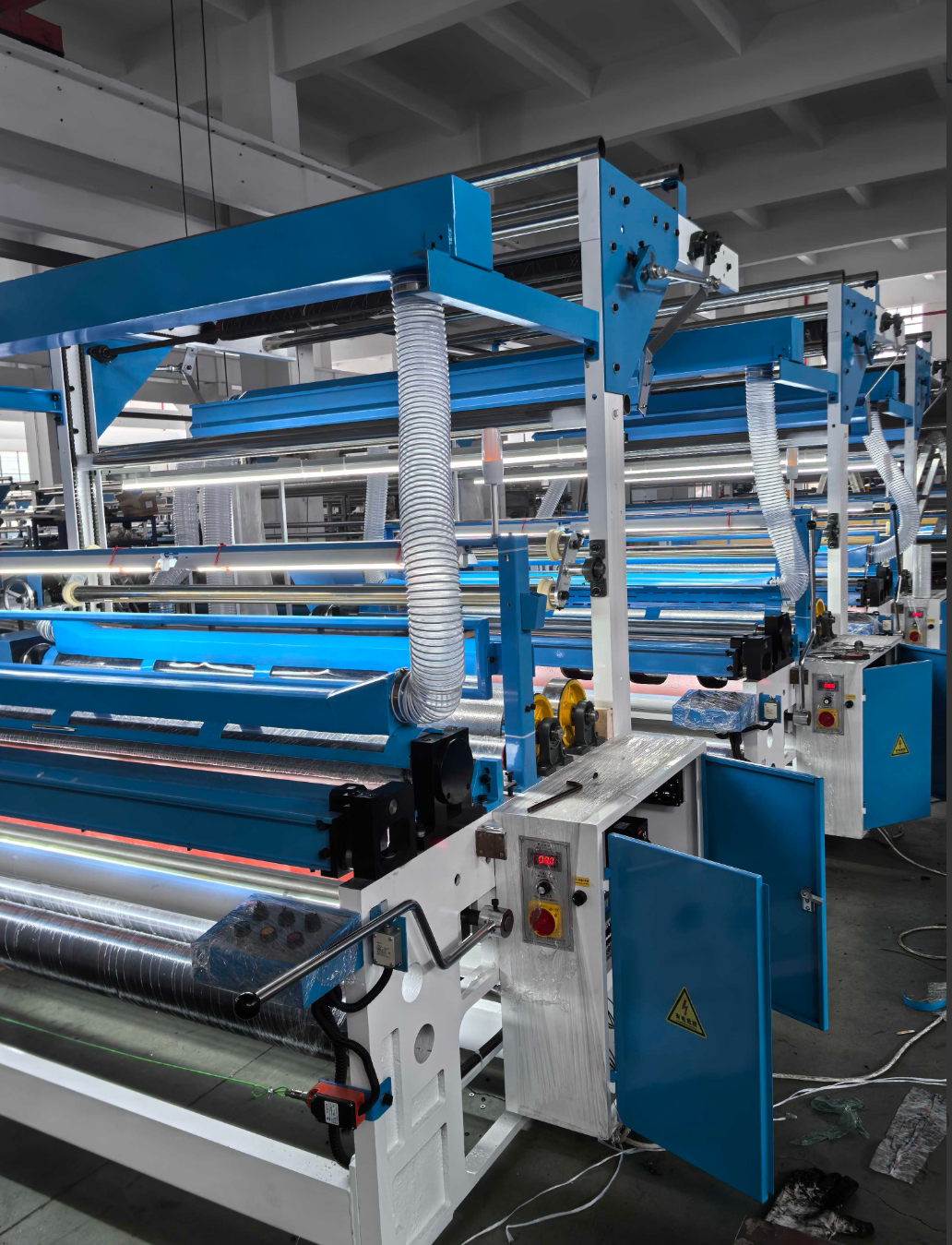
Enhancing Precision in Cable Manufacturing with Cord Cutting Machines
Understanding Precision in Manufacturing Processes with Automated Cutting Systems
Today's advanced cord cutting equipment gets down to the micron level thanks to smart combinations of servo motors and clever prediction software. Manual cutting techniques often miss their mark by about 1mm either way, but these automated setups stay within just 0.2mm using continuous feedback loops. The difference matters a lot when we're talking about critical parts for planes or medical devices. A tiny flaw in insulation here could mean big trouble later on. That's why manufacturers spend so much time getting these specs right it's literally a matter of life and death sometimes.
How Cord Cutting Machines Minimize Dimensional Variance in Cable Components
Automated systems reduce length discrepancies by 89% compared to traditional rotary cutters. Dual-blade synchronization eliminates material drag during cuts, preserving consistent cross-sectional geometry. Laser-guided alignment adjusts blade positions every 0.5 milliseconds, enabling leading manufacturers to cut post-assembly rework by 62%.
Achieving ±0.1mm Tolerance Using Servo-Driven Cord Cutters
The direct drive servo motors can repeat positions down to about 0.1 mm, which is roughly 150% better than what pneumatic systems manage. When running at speeds reaching around 2,200 cycles an hour, real time tension monitoring helps stop those annoying compression marks that ruin cable quality. These systems work particularly well with thin wires under 16 AWG where even small errors matter a lot. Throw in some smart vision tech combined with force controls that adapt on the fly as different materials come through the machine, and suddenly we're talking about cuts that stay consistently precise despite all sorts of material changes throughout production runs.
Increasing Production Efficiency Through Automated Cord Cutting Technology
Efficiency improvements in production through continuous cutting cycles
Automated cord cutting systems enable uninterrupted processing by eliminating the need for manual adjustments between cycles. Advanced servo motors and predictive maintenance algorithms reduce unplanned downtime by 34%, allowing facilities to sustain operational capacity above 92%. This consistency supports high-volume output without sacrificing quality.
Reducing cycle time from 5 seconds to sub-second operations
Synchronized servo drives and adaptive acceleration controls reduce cycle times to 800ms—a 84% improvement over legacy 5-second processes. This efficiency allows manufacturers to process over 1,200 cable units per hour with no degradation in cut quality. Automotive wiring harness lines using this technology report 22% faster order fulfillment.
Integration with inline bundling systems for seamless workflow
These machines integrate directly with robotic bundling arms and conveyor networks, forming closed-loop production cells. The unified workflow reduces handling errors by 67% and enables just-in-time delivery to downstream stations. Facilities using integrated systems achieve 41% shorter lead times than those relying on standalone equipment.
Reducing Material Waste and Optimizing Resource Utilization
Improving Production Accuracy and Reducing Waste via Predictive Length Control
Predictive length control systems analyze real-time data on cable tension, diameter variance, and polymer elasticity to optimize each cut. This capability reduces measurement-based waste by 73% compared to manual methods. Millimeter-wave sensors ensure ±0.1mm alignment accuracy across runs exceeding 8,000 units, delivering average material savings of 18–22%.
Material Utilization Rates Increase From 87% to Over 96% Post-Automation
Automation recovers 9% of previously wasted materials through three core optimizations:
-
Nesting Algorithms
Optimized multi-cable layouts reduce spacing waste by 34% versus manual arrangements. -
Adaptive Blade Systems
Self-sharpening tungsten carbide blades minimize deformation, reducing material defects by 91%. -
Closed-Loop Recycling
Scrap ≥5mm is automatically routed to secondary production streams, supporting sustainability goals.
Facilities processing 12 metric tons of polyethylene daily recover approximately $7,200 in materials weekly while meeting ISO 14001 standards.
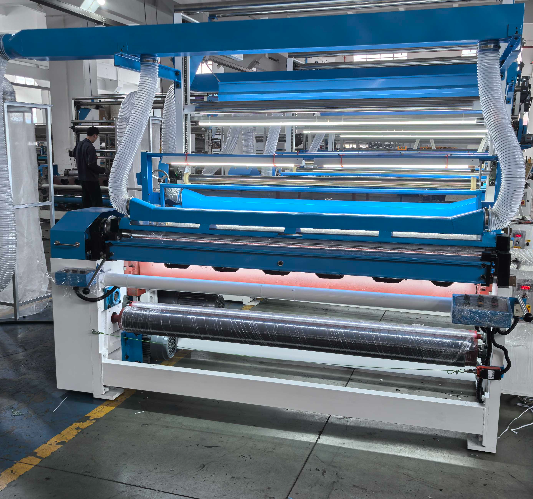
Integrating Smart Technologies for Advanced Process Control
IoT-enabled monitoring tracks key metrics such as blade alignment, cycle duration, and energy use across 200+ sensor points per machine. Operators leverage this data to detect inefficiencies in feed rates or cutting patterns, enabling proactive adjustments.
Real-Time Feedback Loops for Adaptive Blade Calibration
Servo-driven mechanisms use pressure sensors to adjust blade angles mid-operation. When variations in jacket thickness occur—as common in multi-layer cables—the system recalibrates within 0.3 seconds, maintaining cuts within ±0.1mm tolerance without stopping production.
AI-Driven Vision Alignment and Laser-Guided Positioning Systems
The machine learning system can process around 15 thousand images every single hour, spotting tiny shifts in core positions down to just 0.05 millimeters. What happens next? Well, this information gets sent to those laser markers which then draw out exact cutting lines right on the material's surface. The result? Setup mistakes drop dramatically by about ninety two percent when compared against old fashioned manual measuring methods. And these systems keep running non stop day after day with error rates below point eight percent for all sorts of materials including copper cables, fiber optics, and even those tricky hybrid varieties that combine different elements.
Evaluating ROI and Long-Term Benefits of Modern Cord Cutting Machines
Balancing Higher Initial Investment With Long-Term Operational Savings
Although modern systems require 30–50% higher initial investment, they deliver full ROI within 18–24 months. Automation reduces labor costs by 62% and material waste by 34%, while cutting rejection rates in automotive wire harnesses from 8.2% to 0.9%. These gains translate into rapid payback and sustained margin improvement.
Innovations in Dual-Blade Synchronization
New dual-blade designs achieve ±0.05mm synchronization, enabling single-pass processing of complex cable bundles. This advancement cuts cycle times by 40% compared to staggered systems while preserving integrity across diverse materials—from PVC to fiber-reinforced composites. Aerospace manufacturers report 22% higher throughput, directly boosting return on equipment investment.
Global Client Feedback on Machine Durability and Recalibration Frequency
Data collected from around 140 industrial facilities indicates that today's machinery can run well beyond 11,000 operating hours before needing significant maintenance work, which is about three times longer than what we saw with older equipment. The new systems come equipped with adaptive calibration features that stretch out alignment checks from roughly 500 operation cycles all the way up to 2,000 cycles. Plus there's built-in thermal compensation technology that keeps measurements accurate even when temperatures swing between minus 20 degrees Celsius and a scorching 55 degrees Celsius. Most impressive though? About 78% of manufacturing plants saw their unexpected shutdowns drop by nearly 90% once they made the switch to these upgraded machines.
FAQs
What are the precision capabilities of modern cord cutting machines?
Modern cord cutting machines can achieve precision down to ±0.1mm, thanks to advanced servo motors and real-time feedback loops.
How do these machines improve production efficiency?
Automated cord cutting technology reduces cycle times significantly, enabling higher production volumes without degrading quality. Systems can process over 1,200 cable units per hour.
What material savings can be expected with these machines?
Facilities may see a material savings of 18-22% due to reduced waste and optimized resource utilization.
What is the ROI for investing in modern cord cutting machinery?
While initial investments may be higher, the ROI is typically realized within 18-24 months due to reduced labor costs and waste.
How do smart technologies contribute to the functionality of these machines?
IoT-enabled monitoring and AI-driven systems provide advanced process control, ensuring precision and reducing the likelihood of errors.
Table of Contents
- Enhancing Precision in Cable Manufacturing with Cord Cutting Machines
- Increasing Production Efficiency Through Automated Cord Cutting Technology
- Reducing Material Waste and Optimizing Resource Utilization
- Integrating Smart Technologies for Advanced Process Control
- Evaluating ROI and Long-Term Benefits of Modern Cord Cutting Machines
-
FAQs
- What are the precision capabilities of modern cord cutting machines?
- How do these machines improve production efficiency?
- What material savings can be expected with these machines?
- What is the ROI for investing in modern cord cutting machinery?
- How do smart technologies contribute to the functionality of these machines?