 EN
EN



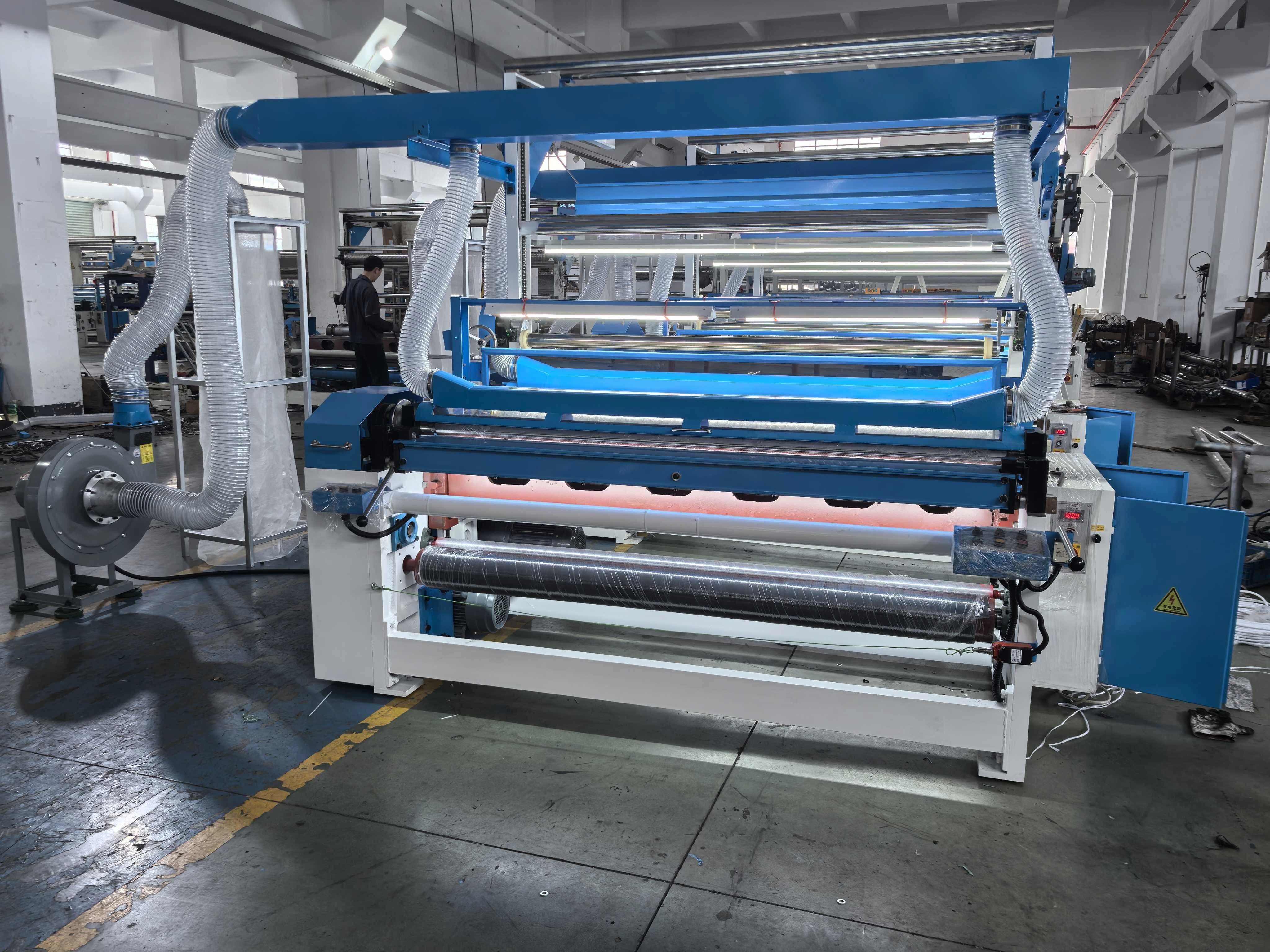
Understanding Corduroy Fabric Structure and Cutting Challenges
The Unique Pile Construction of Corduroy and Its Sensitivity in Processing
What makes corduroy unique are those vertical ribs called wales that give it that soft, textured feel. But these little ridges need special attention when manufacturing the fabric. Typically, there are anywhere from 3 to 25 wales per inch. Textile experts categorize them into different types based on their spacing: broad wales if they're spaced about 3 to 5 apart, wide wales at around 6 to 10, and then pinwales which pack in 16 to 23 per inch according to most industry guides. The actual construction involves cutting through woven yarns to form this looped pile structure. Unfortunately, this process leaves the fabric somewhat fragile. When subjected to mechanical stress, the loops tend to fray or even come loose completely, which can be frustrating for manufacturers trying to maintain quality standards.
Common Defects: Flattening, Pilling, and Distortion During Handling
A 2023 analysis of 12 textile factories found that improper machine pressure settings led to a 22% defect rate in corduroy products, primarily due to flattening and yarn slippage. Blade misalignment contributes to pilling, while uneven tension causes visible distortion along seams, compromising both aesthetics and structural integrity.
How Wale Density Affects Cut Precision and Surface Integrity
Higher wale counts (18+ ribs/inch) demand narrower blades (0.8−1.2mm) and slower feed rates to prevent rib separation. For example, on dense 21-wale corduroy, excessive blade vibration can increase cut deviations by up to 0.3mm, disrupting pattern alignment in garment production.
Preserving Pile Alignment Before and After the Cut
Advanced corduroy cutting machines now use laser-guided tensioning systems that reduce pile shift by 40% compared to manual methods. Post-cut stabilization rollers help maintain grain alignment and preserve the fabric’s tactile quality through subsequent sewing stages.
Fine-Wale vs. Wide-Wale: Tailoring Corduroy Cutting Machine Settings by Fabric Type
Decoding Wale Count: From Pinwale to Ultimate-Wale Variants
The number of wales per inch basically defines how a piece of corduroy feels and behaves during manufacturing processes. We're talking about everything from the super fine pinwale range at around 14 to 22 wales per inch all the way down to the chunky ultimate wale with just 3 to 5 wales per inch. When working with denser materials, manufacturers have to be really careful with their cutting because those tightly packed piles don't give much room for error. On the flip side, lower density fabrics create wider gaps between the ridges, so specialized blade stabilization becomes necessary to avoid messy cuts. For fabrics with fewer than ten wales per inch, maintaining consistent tension throughout the cutting process is absolutely critical. Without proper tension management, yarns tend to slip out of place, causing problems that account for nearly one fifth of all precision cutting mistakes according to research published last year in Textile Engineering Journal.
Precision Requirements for Cutting Fine-Wale Corduroy Without Yarn Pull
Fine wale corduroy requires really precise cutting since it packs around 350 to 420 stitches per square inch. Just half a millimeter off track with the blade and it starts messing up 4 to 6 neighboring wales right away. That's why most shops rely on servo driven feeds these days they help fight against side to side shaking during cuts. The newer adaptive fabric handling tech makes things even better for 16 wale material specifically. These systems adjust clamp pressure as the blade moves, which cuts down on those pesky pull defects by about 39 according to factory tests. Makes sense when you think about how delicate this stuff actually is under the needle.
Calibrating Pressure and Blade Depth for Wide-Wale Fabric Stability
When working with wide wale corduroy fabric (anything under 6 wales per inch), maintaining proper pressure between 25 to 40 psi is essential for keeping those broad valleys stable during cutting operations. Adjusting blade depth by about plus or minus 0.3 millimeters depending on the pile height makes all the difference. Most fabrics fall within a range of 1.2 to 2.8 mm pile height. If the blade goes too deep it squashes the rib structure, but set it too shallow and the edges will fray badly. Leading manufacturers in this field manage to keep waste below 2 percent through advanced systems that combine sensor technology. These setups typically feature infrared sensors to track wale positions accurately while strain gauges continuously adjust pressure as needed during production runs.
Case Study: Reducing Seam Defects in 8-Wale Corduroy with Optimized Blades
In a small scale test conducted last year with 8 wale corduroy jackets, it was found that those fancy computer controlled angled blades cut down on seam slippage problems quite dramatically—from around 14% down to just 3.7%. The research team discovered something interesting too: when they set the blade at about 25 degrees, the fabric's crosswise pile stayed intact even through tricky curved cuts. Meanwhile, these special vacuum systems kept the fabric taut at exactly 0.2 Newtons per square millimeter throughout the process. And then there's this ultrasonic sealing technique applied after cutting which really makes a difference. It slashes edge fraying issues by nearly two thirds, making a strong case for why manufacturers should consider combining all these finishing steps together when working with wider wale fabrics.
How Corduroy Cutting Machines Integrate Into Modern Textile Production Lines
Modern textile facilities achieve up to 96% material utilization by integrating corduroy cutting machines with spreading tables, automated markers, and downstream sewing stations. Industry 4.0 technologies enable seamless communication—IoT sensors detect tension changes during spreading, and AI algorithms adjust blade pressure in real-time based on wale density.
Seamless Workflow: Linking Spreading, Marking, and Automated Cutting
Edge-to-edge alignment systems automatically correct selvage irregularities during spreading, maintaining marker accuracy within ±0.8 mm over 50-meter fabric rolls. This eliminates the need for manual corrections common in traditional workflows, where operators wasted an average of 12% of corduroy yardage fixing skewed spreads.
Synchronization with Sewing Stages to Maintain Grain and Pattern Alignment
Post-cut fabric bundles include embedded RFID tags indicating grain direction and wale orientation—data instantly accessed by smart sewing machines. In a 2023 case study comparing automated and manual production lines, this integration reduced mismatched patterns by 40% in corduroy trousers.
Measurable Impact: 30% Reduction in Seam Slippage Using Automated Systems
Pressure-regulated vacuum conveyors prevent pile distortion when transferring fabric from cutting tables to assembly areas. When combined with ultrasonic edge-sealing technology, these systems result in 27–32% fewer seam defects in third-party audits compared to manually handled processes.
Advanced Engineering in Corduroy Cutting: Blade Technology and Precision Control
When it comes to cutting fine wale corduroy fabrics that have at least 22 wales per inch, oscillating blades really shine because their up and down movement keeps those delicate yarns from getting displaced. For wider wale versions though, many textile workers turn to ultrasonic knives instead. These tools create heat through fast vibrations which actually helps seal synthetic fibers as they cut, so there's much less fraying afterward. A recent study published in the Textile Research Journal back in 2023 showed something pretty impressive too. The research indicated that using ultrasonic systems cuts down on the time spent trimming after cutting by around 38%. What's even better is that almost all of the fabric's pile remains intact, with studies showing preservation rates hovering near 99.2%. That makes a big difference when dealing with large production runs.
Pressure Regulation Systems to Prevent Pile Compression During Cuts
Real-time load sensors in modern machines dynamically adjust blade pressure to protect delicate surfaces. For sensitive 21-wale fabrics, systems maintain contact pressure at or below 0.5 N/mm², avoiding permanent pile compression. Paired with vacuum hold-downs, this ensures uniform tension across the full fabric width.
Automated Finishing vs. Manual Trimming: Efficiency and Quality Trade-offs
Automated systems deliver 98% cut accuracy in bulk production, though manual trimming remains essential for luxury items requiring 0.1mm seam allowances. However, vision-guided robots now replicate artisanal precision at speeds of 22 pieces per minute, reducing trimming defects from 12% to 1.8% in monitored installations.
Innovations in Edge Sealing by Industry Leaders
Leading manufacturers have developed cold-seal technologies that bond corduroy edges without thermal damage. These systems apply biodegradable polymer coatings activated at 45°C, achieving 92% tensile strength retention after cutting. Computer-controlled nozzle arrays ensure precise application along wale patterns, even in stretch-corduroy blends.
Optimizing Fabric Preparation to Maximize Corduroy Cutting Machine Performance
Effective preparation preserves corduroy’s signature ridges during cutting, minimizing defects like pile flattening and distortion—directly enhancing production efficiency and final product quality.
Tension Equalization and Moisture Conditioning Pre-Cut
Due to its uneven surface, corduroy requires precise tension control to avoid stretching or compressing the pile. Textile engineers recommend conditioning fabric at 55–65% relative humidity to stabilize elasticity before processing. Automated tensioning systems reduce yield loss by 18% compared to manual adjustments.
Laser Alignment and Pattern Registration for Consistent Results
Modern cutting machines use laser-guided systems to align wales perpendicular to the blade path, ensuring continuity in directional nap and pattern placement. A 2023 industry study showed these systems reduce marker alignment errors by 42%.
Minimizing Skew and Distortion in Roll-to-Cut Processing
Skewed grain alignment leads to twisted seams and uneven wear. Advanced sensors detect deviations under 4° during unrolling and trigger automatic corrections. When paired with anti-static rollers, this approach reduces post-cut realignment needs by 37%, supporting precision in high-volume runs.
FAQ
What are the unique features of corduroy fabric?
Corduroy fabric is distinguished by its vertical ribs called wales, which provide a soft and textured feel. The number and density of these wales impact how the fabric behaves and feels.
How does wale density affect corduroy cutting?
Wale density influences the precision of cuts and surface integrity. Higher wale counts require careful cutting techniques to prevent rib separation, while lower wale counts demand consistent tension to avoid yarn slippage.
What technologies help in preserving corduroy's structure during cutting?
Advanced machinery incorporates laser-guided tensioning systems and stabilization rollers to maintain pile alignment before and after cutting, reducing shifts and preserving tactile quality.
How do modern cutting machines improve production efficiency?
Modern machines integrate with textile production lines through Industry 4.0 technologies, IoT sensors, and AI algorithms to optimize material utilization and reduce defects.
What innovations exist for edge sealing in corduroy production?
Leading manufacturers have developed cold-seal technologies using biodegradable polymers, activated at low temperatures, to bond edges without damaging the fabric.
Table of Contents
- Understanding Corduroy Fabric Structure and Cutting Challenges
- Fine-Wale vs. Wide-Wale: Tailoring Corduroy Cutting Machine Settings by Fabric Type
- How Corduroy Cutting Machines Integrate Into Modern Textile Production Lines
- Advanced Engineering in Corduroy Cutting: Blade Technology and Precision Control
- Optimizing Fabric Preparation to Maximize Corduroy Cutting Machine Performance
- Tension Equalization and Moisture Conditioning Pre-Cut
- Laser Alignment and Pattern Registration for Consistent Results
- Minimizing Skew and Distortion in Roll-to-Cut Processing
- FAQ