 EN
EN



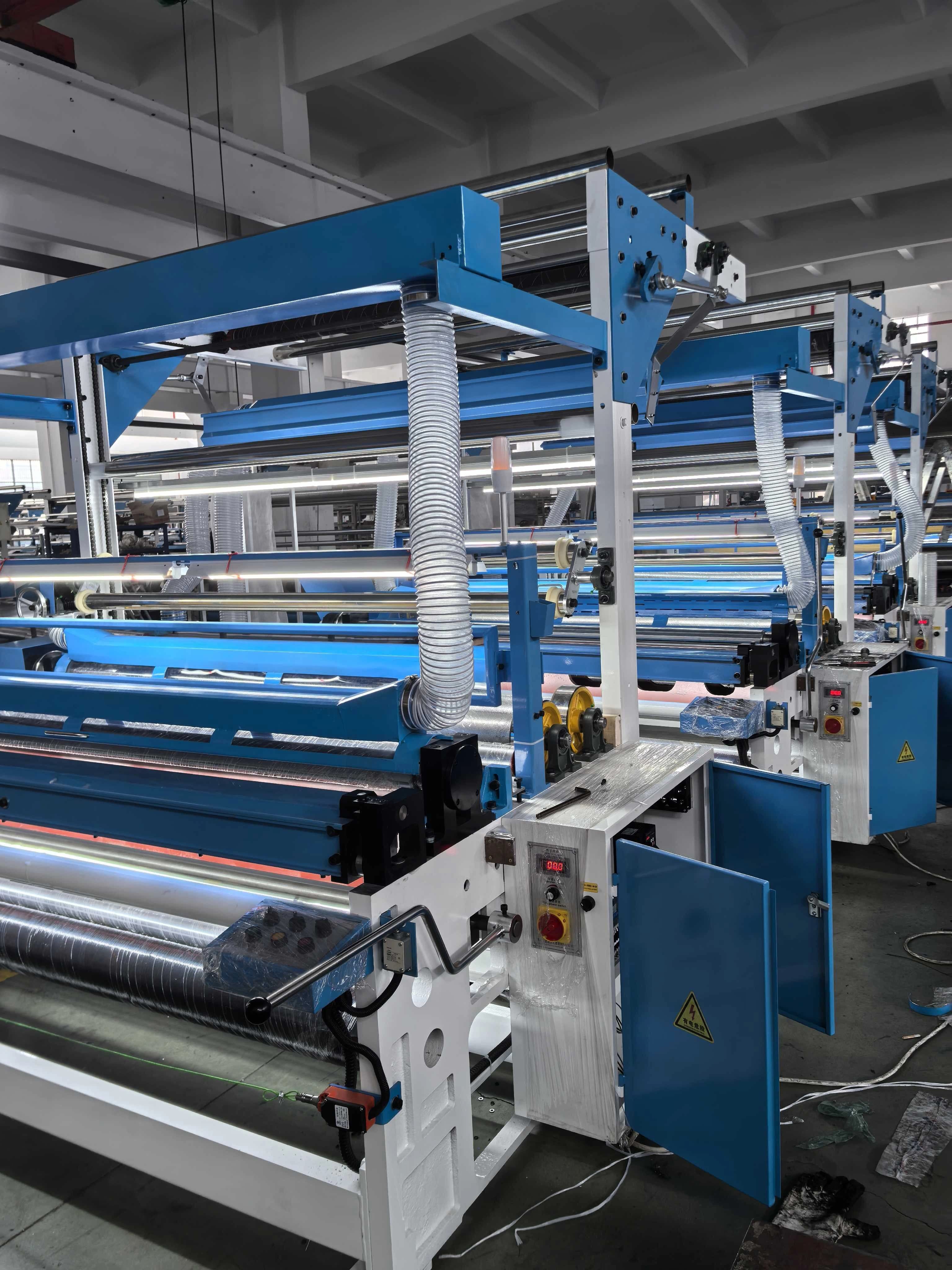
Superior Precision in Corduroy Cutting Machine Operations
Achieving Tight Tolerance Cutting with Servo Technology
Corduroy cutting machines equipped with servo-driven systems can hit tolerances around ±0.1 mm, which beats out traditional mechanical systems by nearly 60% when it comes to precision according to the latest Textile Manufacturing Report from 2024. These systems work because they have closed loop feedback that keeps making tiny adjustments to both how deep and fast the machine cuts, so there's no drifting off track even when working on complicated patterns. The accuracy really matters for those raised wales in corduroy fabric. If something goes wrong and the cut is off by just 0.3 mm, then seams won't line up properly and the whole finished product suffers in quality. That's why manufacturers need this kind of tight control over their cutting processes.
Reducing Fabric Defects Through Enhanced Cutting Accuracy
Modern servo systems with automated path optimization cut down on fabric flaws quite a bit actually around 40% fewer defects than when people do the cutting manually. These systems handle the tricky part about working with corduroy since its ribbed texture stretches differently across the fabric surface. This helps avoid those annoying issues where pile heights end up uneven or patterns get messed up after cutting. Some machines even come with built-in vision tech that spots problems with the weave as they happen during production. When these systems detect something wrong, they fix it right away without needing anyone to step in and adjust things manually.
Ensuring Batch-to-Batch Consistency in Textile Production
Servo-driven machines maintain <0.8% variance across production batches through standardized cutting parameters. This consistency supports corduroy’s colorfastness requirements by minimizing dye migration risks at cut edges. Manufacturers report 97% adherence to client specifications after adopting these systems for long-term contracts, reflecting improved reliability in large-scale output.
Case Study: Precision Improvements in High-Volume Manufacturing
One major manufacturer of textile machines recently rolled out servo-driven cutting technology on 32 different production lines, which cut down on wasted materials by roughly 18% each month. This new setup allows for much more consistent handling of 420 GSM corduroy fabrics that used to give trouble because of their weight range. Even better, they managed to keep the same fast pace of work at around 85 meters per minute without slowing things down. After checking everything out post installation, the company found that almost all products met the strict requirements for car interior fabrics at 99.2% compliance rate. That kind of performance really shows how well this system works under tough conditions where quality matters most.
Increased Production Speed and Operational Efficiency
Servo-driven corduroy cutting machines deliver high throughput without sacrificing precision, making them essential in modern textile manufacturing environments.
High-speed performance enabled by servo-driven motion control
Advanced servo motors provide acceleration rates 60% faster than traditional hydraulic systems, completing cutting cycles in under 3 seconds while preserving positional accuracy. These systems sustain continuous operation at 120 cuts per minute—a 35% productivity gain over cam-driven mechanisms according to 2023 motion control studies—making them ideal for fast-paced production settings.
Maintaining cut quality while accelerating production rates
Leading manufacturers confirm that servo systems maintain ±0.15mm cutting tolerances even at peak speeds, effectively eliminating fraying and misalignment. Real-time feedback loops automatically adapt to material variations, ensuring first-cut accuracy exceeds 99.2% across extended production runs. This balance of speed and precision enhances yield without increasing rework or waste.
Boosting apparel manufacturing output through automation integration
Modern servo-driven cutting systems integrate seamlessly with robotic material handling and ERP platforms, reducing changeover times by 85% compared to manual setups. This closed-loop automation allows apparel plants to operate around the clock with 30% fewer personnel while consistently meeting strict quality benchmarks.
Advanced Automation and Real-Time Process Control
Enhancing operational consistency with automated cutting systems
Fully automated material handling and blade positioning ensure repeatable performance in servo-driven corduroy cutting machines. A 2023 Textile Industry Report found such systems reduce fabric misalignment errors by 38% compared to manual operations. Integrated sensors maintain ±0.2mm positional accuracy during 24/7 production, delivering uniform results even when processing heavy-gauge corduroy.
Real-time monitoring and adjustments via intelligent control software
APC systems for advanced process control are constantly at work, checking cutting parameters around 500 times every single second. They make automatic adjustments when they detect changes in material thickness or signs of blade wear. The result? Manufacturers can boost their production output by roughly 15 percent without sacrificing quality that meets the strict DIN 53878 standards. What makes these systems really stand out is how they use machine learning to fine tune cutting paths on the fly. Even something tricky like the ribbed texture of corduroy doesn't throw them off course. Operators don't need to step in manually anymore since the system handles all those adjustments itself, which saves time and reduces errors during production runs.
Minimizing human error in corduroy cutting machine operations
Servo automation eliminates measurement mistakes responsible for 23% of fabric waste in traditional cutting operations (Textile Technology Review, 2024). Touchscreen interfaces guide operators through setup with visual error-checking, cutting training time by 40%. Built-in error-proofing protocols flag deviations from preset patterns, reducing quality control labor costs by 32% in high-volume facilities.
Cost Savings and Material Optimization in Fabric Cutting
Reducing Labor and Maintenance Costs Through Servo Automation
Corduroy cutting machines powered by servos cut down on operating costs because they handle tasks that used to need experienced workers doing all the manual work. With smart pattern nesting features and machines running non-stop, factories report saving around 30 to maybe even 45 percent on labor expenses according to Textile Technology Quarterly from last year. What makes these machines stand out is their brushless motor design which basically wears out much slower than traditional setups. Most shops find that about 80% fewer parts tend to break down over time compared to older systems, meaning far less unexpected stoppages when production is already underway.
Lowering Fabric Waste With Precision-Guided Cutting Processes
Motion control algorithms calculate blade paths with 0.25mm accuracy, maximizing material utilization. Key benefits include:
- 98.7% pattern repeatability across production runs
- 15° angular cut precision for intricate corduroy ribs
- Automatic compensation for fabric tensile variations
One European textile manufacturer achieved a 22% reduction in waste by integrating real-time material tracking with their servo cutting systems.
Data Insight: 18% Average Material Savings With Servo-Driven Systems
Industry research confirms consistent cost reductions from servo automation:
| Factor | Improvement | Source |
|---|---|---|
| Nesting efficiency | +23% | Textile World 2023 |
| Cut path optimization | +19% | IFC Machinery Report |
| Error rate reduction | -82% | Journal of Textiles |
These advancements collectively yield an average 18% reduction in fabric waste compared to mechanical systems, with some fully integrated operations achieving up to 27% savings.
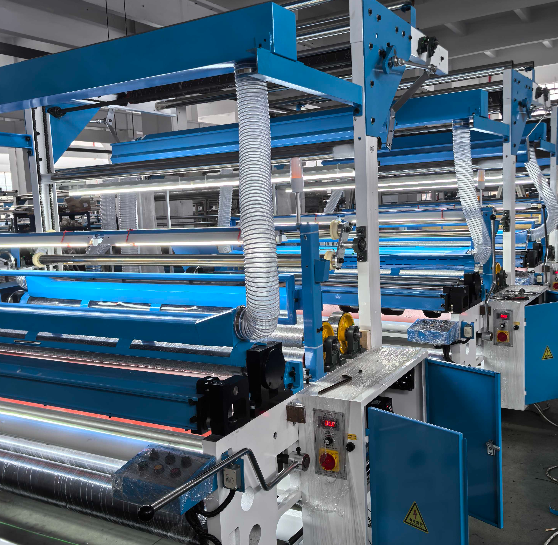
Consistent Quality Assurance in High-Volume Corduroy Production
Delivering Uniform Cut Quality Across Large Production Runs
The biggest advantage of servo driven systems is how they cut down on the inconsistencies we see with older cutting techniques. These systems keep within a tight ±0.2 mm tolerance no matter if we're talking about small batches or large production runs. Mechanical linkages tend to wear out after some time, but servo motors can handle over 250 different cutting patterns every single hour while still delivering the same level of accuracy. According to an industry report from the International Textile Machinery Association back in 2023, manufacturers saw nearly all dimensional problems disappear when switching from cam operated machines to these advanced systems, especially noticeable in fabric runs longer than 5,000 meters where error rates dropped by almost 98%.
Sustaining Precision During Continuous Operation With Servo Reliability
The servo systems will recalibrate themselves roughly every 90 minutes or so to compensate for things like thermal expansion and belt wear, which is really important if the production line needs to run non stop day and night. When dealing with those tough corduroy fabrics, the system constantly checks torque levels and can tweak motor power in just 15 milliseconds flat, stopping layers from getting out of alignment during the cut. Factory floor reports show defects staying under 0.8% mark even after running straight through for 18 hours plus, which beats hydraulic alternatives by about 27% in the same testing environment according to most plant managers I've spoken to recently.
Frequently Asked Questions
What is the main advantage of using servo-driven systems in corduroy cutting?
The primary advantage is the superior precision and accuracy they provide, with tolerances as tight as ±0.1 mm, which is crucial for maintaining quality in corduroy fabric production.
How do servo-driven systems reduce fabric waste?
Servo-driven systems use precision-guided cutting processes and motion control algorithms to optimize blade paths, reducing fabric waste by up to 27% compared to traditional systems.
What role do automated systems play in enhancing efficiency?
Automated systems with real-time process control improve production efficiency by reducing changeover times, minimizing human error, and sustaining high-speed operation while maintaining quality.
Can servo-driven systems improve the consistency of batch production?
Yes, they maintain less than 0.8% variance across production batches, ensuring uniform quality and adherence to specifications in high-volume production.
How does real-time monitoring benefit the cutting process?
Real-time monitoring allows for instant adjustments to cutting parameters, improving accuracy and reducing the need for manual intervention, leading to enhanced production consistency and reduced errors.
Table of Contents
- Superior Precision in Corduroy Cutting Machine Operations
- Increased Production Speed and Operational Efficiency
- Advanced Automation and Real-Time Process Control
- Cost Savings and Material Optimization in Fabric Cutting
- Consistent Quality Assurance in High-Volume Corduroy Production
-
Frequently Asked Questions
- What is the main advantage of using servo-driven systems in corduroy cutting?
- How do servo-driven systems reduce fabric waste?
- What role do automated systems play in enhancing efficiency?
- Can servo-driven systems improve the consistency of batch production?
- How does real-time monitoring benefit the cutting process?