 EN
EN



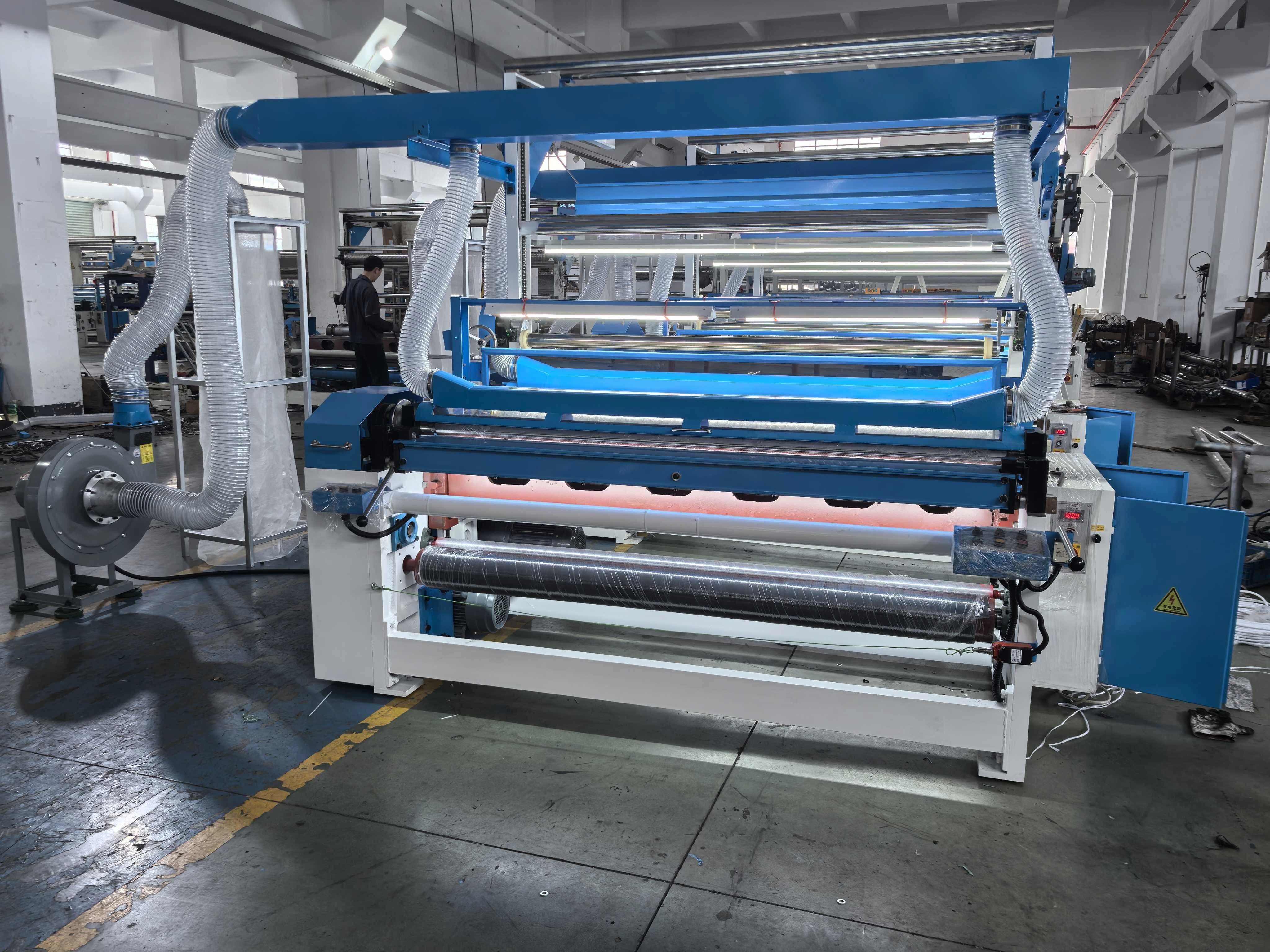
Corduroy Cutting Machines: The Key to Precision Cutting in Sustainable Textile Manufacturing
How Precise Corduroy Cutting Reduces Fabric Waste and Supports Sustainability Goals
Modern corduroy cutting equipment helps factories get much better pattern matching results, which cuts down on those annoying off-cuts and misaligned pieces that just end up as textile waste. Corduroy has these distinctive ridges that need blades placed just right when cutting, something that manual techniques find really hard to do reliably from piece to piece. When companies switch over to automatic cutting systems, they tend to see around a 25-30% drop in wasted materials without slowing down their production lines. This makes good business sense too since less waste means lower costs and happier customers who care about sustainability these days.
Comparing Manual vs. Automated Cutting: Efficiency, Accuracy, and Environmental Impact
When people cut fabric manually, they tend to end up with all sorts of problems like wavy edges and mismatched patterns. Operators usually throw away around 15 to maybe even 20 percent of fabric rolls because they just don't look right. That's where automated corduroy cutting machines come into play. These machines basically fix those issues thanks to their laser guides and smart computer programs that figure out the best way to lay out patterns. Switching to automation cuts down on energy usage by about a quarter when compared to doing everything by hand. Why? Because there's no need for constant adjustments or redoing sections that didn't work out. Plus, workers get safer conditions since they're not handling sharp tools as much anymore, and production speeds go up significantly too.
Case Data: Up to 30% Material Waste Reduction With Advanced Corduroy Cutting Machines
A 2023 analysis of textile manufacturers adopting automated systems revealed measurable sustainability improvements:
| Metric | Manual Cutting | Automated Cutting |
|---|---|---|
| Material waste per roll | 22% | 15% |
| Energy consumption | 18 kWh | 13.5 kWh |
| Production speed | 40 units/hour | 65 units/hour |
These results demonstrate how precision cutting technologies align economic and environmental goals, making advanced automation essential for sustainable textile production.
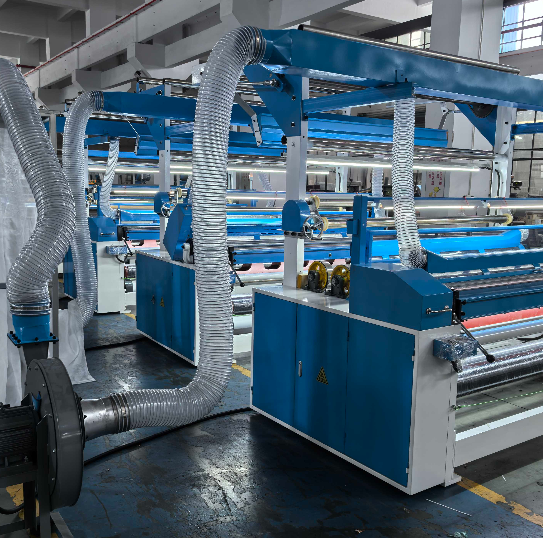
Core Technologies Powering Modern Corduroy Cutting Machines
Advanced corduroy cutting machines now integrate three transformative innovations to address sustainability and operational challenges.
Automation and AI-Driven Pattern Alignment for Optimal Fabric Utilization
AI algorithms analyze corduroy's ridged texture to optimize pattern placement, reducing material waste by up to 18% compared to manual layouts (Textile Technology Journal, 2023). These systems adapt to variations in fabric density and nap direction, ensuring precise cuts even with complex designs without requiring constant operator oversight.
Laser Cutting and Digital Workflows in Corduroy Processing for Real-Time Control
High-precision fiber lasers achieve 0.1mm cutting accuracy, critical for maintaining corduroy's signature ribbed structure. Integrated sensors automatically adjust laser intensity based on real-time fabric thickness measurements, preventing frayed edges while operating 23% faster than mechanical blades. Digital workflows streamline design-to-cut transitions, reducing setup time and human error.
Integration of Smart Sensors and IoT for Predictive Maintenance and Efficiency
Vibration sensors detect blade wear 40 hours before failure, reducing unplanned downtime by 62%. IoT-enabled machines share performance data across production lines, allowing manufacturers to optimize energy use during peak cutting cycles and schedule maintenance proactively, further enhancing efficiency.
Material Efficiency: Why Corduroy Benefits Most from Advanced Cutting Systems
The ribbed texture and varying pile heights of corduroy present real headaches for manufacturers, which is why most factories now rely on sophisticated cutting systems to get the most out of their materials. Smooth fabrics are one thing, but those raised cords need blades aligned just right to stop them from fraying apart when cut. Even slight misalignment can wreck the whole look. Getting this right cuts down on wasted scraps and pattern mismatches, something that makes a big difference for sustainability goals. Factories using these advanced systems report around 27% less fabric going to waste than traditional manual cutting techniques according to Textile Tech Journal last year.
Structural Characteristics of Corduroy That Demand High-Precision Cutting Technology
The fabric's parallel wales (ribs) and alternating thick-thin zones necessitate cutting systems with real-time tension control and dynamic pressure adjustment. Traditional rotary blades often compress or distort the ribs, leading to uneven edges and unusable material. Modern automated systems address this with:
- AI-driven pattern recognition to align cuts with the fabric's natural grain
- Micro-serrated laser cutters that cleanly sever dense cord clusters without slippage
- Adjustable blade angles that adapt to varying pile heights (0.3–1.2 mm)
These features ensure optimal yield from every meter of fabric, which is especially valuable given corduroy's higher material costs compared to plain weaves.
Evaluating Compatibility of Other Fabrics With Automated Corduroy Cutting Machines
While optimized for corduroy, these machines can process other structured fabrics with similar efficiency, provided manufacturers adjust key parameters:
| Fabric Type | Ideal Cutting Method | Key Adjustment Needed |
|---|---|---|
| Corduroy | Laser-guided shear cutting | Pile height calibration |
| Denim | High-frequency rotary blade | Thread density compensation |
| Velvet | Ultrasonic cutting | Nap direction synchronization |
| Twill | Waterjet cutting | Bias stretch allowance |
For knits or stretch fabrics, however, limitations emerge. The machines' rigid fabric-clamping systems—designed to stabilize corduroy's stiff weave—can overstrain elastic materials, causing warping. This highlights the importance of selecting a purpose-built corduroy cutting machine when prioritizing both versatility and waste reduction.
Balancing Cost and Sustainability: The Business Case for Automated Cutting
High initial investment vs. long-term savings in labor and material costs
The investment needed for modern corduroy cutting machines ranges from around $250k to half a million dollars upfront, but most manufacturers find they save about 23% on their yearly running costs thanks to better workforce productivity and smarter material usage. Factories using automated systems need far fewer workers for cutting operations—somewhere between 40 and 60 percent less according to industry reports from Textile Institute back in 2023. What really makes these machines worth considering is how they cut down on wasted fabric. The AI technology that aligns patterns so precisely manages to eliminate roughly 12 to 18 percent of what would normally go to waste during manual cutting processes. Looking at the bigger picture, these cost savings usually pay off about three quarters to almost all of the original machine expense within just five years, even after factoring in regular maintenance work and necessary software upgrades.
ROI analysis for textile manufacturers adopting corduroy cutting machine automation
A 2023 industry study of 78 mid-sized textile plants revealed ROI timelines of 18–30 months for automated corduroy cutting systems. Key financial drivers include:
- 55% faster production throughput compared to manual methods
- $4.2–$7.8 annual savings per square meter of processed fabric
- 20–30% reduction in energy consumption through IoT-powered predictive maintenance
Manufacturers processing over 500,000 linear meters annually report full ROI attainment within 22 months on average, with subsequent years delivering 15–25% profit margin improvements through repeatable precision cutting and waste reduction.
FAQ
What are the main benefits of automated corduroy cutting systems?
Automated corduroy cutting systems significantly reduce fabric waste, improve production speed, and enhance safety for workers. They also lower energy consumption and provide more accurate patterns, aligning with sustainability goals.
How do automated machines improve fabric yield compared to manual cutting?
Automated machines use AI and laser technology to optimize pattern layouts on fabric, reducing wastage by precisely cutting along the natural grain and texture of corduroy.
Are these machines compatible with other types of fabrics?
While designed specifically for corduroy, the machines can handle other structured fabrics if the cutting parameters are adjusted accordingly. However, they might not be suitable for more elastic materials like knits without modifications.
What's the financial impact of switching to automated cutting systems?
The initial investment for these machines is substantial, but they can reduce labor and material costs by about 23% annually. Companies typically see a full return on investment within 18 to 30 months.
What technological advancements are integrated into modern cutting machines?
Modern cutting machines feature AI-driven pattern alignment, high-precision lasers, smart sensors, and IoT capabilities, all contributing to enhanced efficiency and predictive maintenance.
Table of Contents
- Corduroy Cutting Machines: The Key to Precision Cutting in Sustainable Textile Manufacturing
- Core Technologies Powering Modern Corduroy Cutting Machines
- Material Efficiency: Why Corduroy Benefits Most from Advanced Cutting Systems
- Balancing Cost and Sustainability: The Business Case for Automated Cutting
-
FAQ
- What are the main benefits of automated corduroy cutting systems?
- How do automated machines improve fabric yield compared to manual cutting?
- Are these machines compatible with other types of fabrics?
- What's the financial impact of switching to automated cutting systems?
- What technological advancements are integrated into modern cutting machines?