 EN
EN



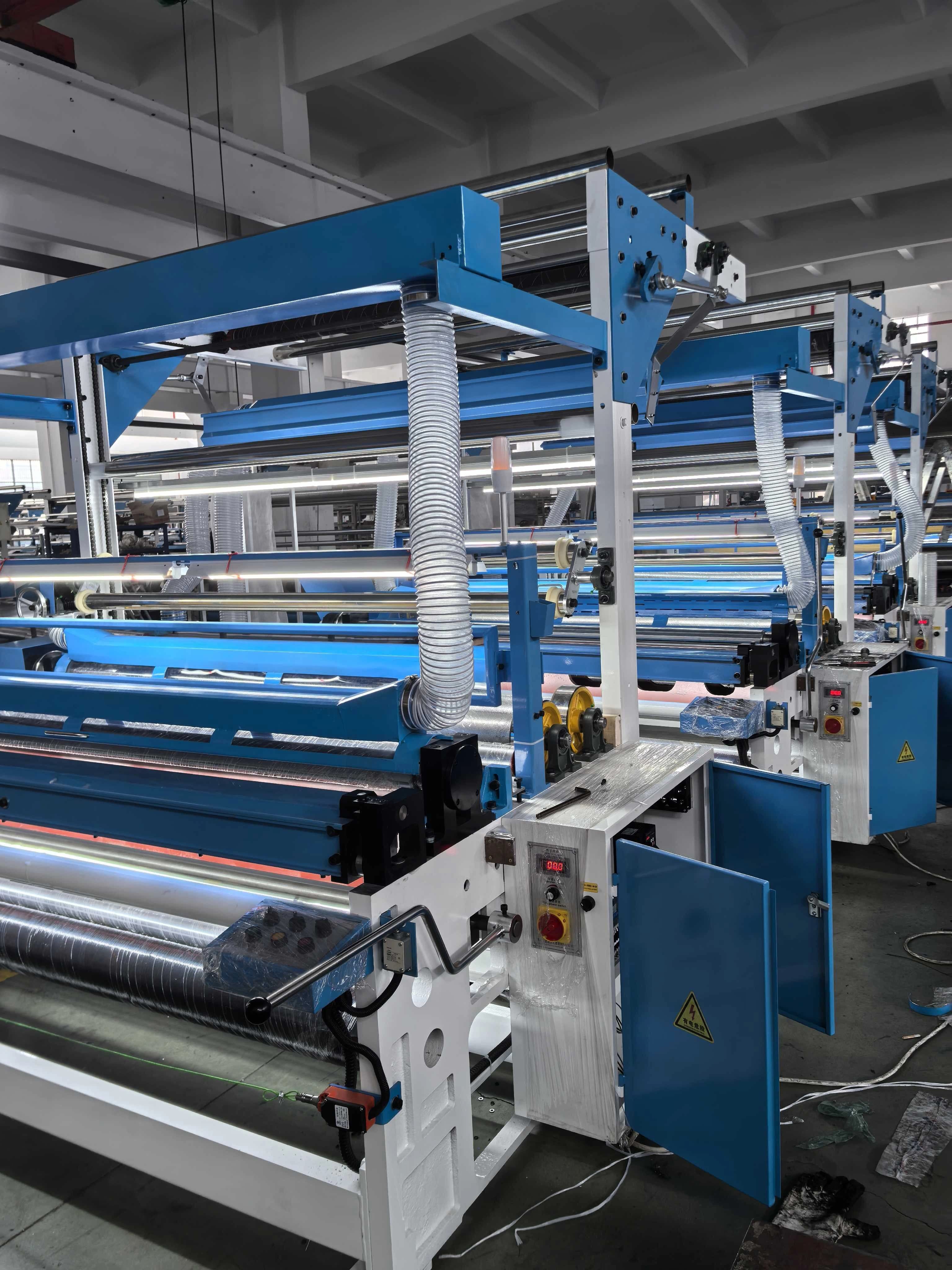
Understanding the Importance of Regular Maintenance for Corduroy Cutting Machine Performance
Keeping corduroy cutting machines running smoothly really comes down to finding the right mix between regular maintenance and fixing problems when they show up. When we talk about preventive stuff like checking parts regularly and keeping everything properly lubricated, it helps catch small issues before they turn into big headaches that stop production cold. On the flip side, corrective maintenance means dealing with problems after they've already happened, which tends to throw off schedules and cause delays in manufacturing runs. According to some industry data from textile manufacturers last year, companies that stuck with their preventive maintenance routines experienced around half as many breakdowns as those waiting until something breaks down first. This shows just how much difference proper upkeep can make for both equipment longevity and overall productivity.
Regular maintenance work really makes a difference in how long machines last before needing replacement parts. When operators clean those cutting blades once a week and check their alignment, it stops the fabric from dragging across surfaces, something that wears down motors much faster than normal. Lubricating the feed mechanisms properly cuts down on all that friction generated heat which is actually one of the main reasons belts start breaking down during those high speed production runs. All these simple steps help keep cuts accurate over time while saving money on repairs down the road. According to recent data from Textile Machinery Institute, companies following this routine can save around seven hundred forty thousand dollars each year just on maintenance expenses alone.
When facilities start using data for their scheduling, they really see improvements. Tracking things like machine runtime and how much material goes through helps figure out when maintenance should happen. This matters a lot for fabrics like corduroy that have those thick weaves. Machines working with corduroy actually get worn down about 22 percent faster compared to lighter materials. When companies combine their own operational numbers with what manufacturers recommend, they end up with custom maintenance plans. These plans tend to save around 18 percent on parts replacements compared to just following standard schedules. Take the textile industry for example. One company noticed a dramatic drop in unplanned stoppages after starting to monitor bearing and driveshaft wear in real time. They managed to slash unexpected downtime by roughly two thirds across several production lines.
Essential Cleaning and Lubrication Practices for Optimal Operation
Removing Dust and Debris to Maintain Corduroy Cutting Machine Efficiency
Corduroy cutting machines get clogged fast with dust and fabric bits, which can cut down on cutting accuracy by around 18% just a few weeks after starting up according to Machinery Lubrication from 2023. Regular vacuuming of those feed mechanisms and blade housing areas really helps stop the mess from building up and messing with the machine's alignment over time. When dealing with tough spots where debris has settled in tight spaces, grab some lint free cloths and give them a light dampening with isopropyl alcohol instead of reaching for strong chemicals that will eat away at rubber seals eventually. Trust me, saving those seals saves money in the long run.
Step-by-Step Cleaning of Critical Components Without Causing Damage
- Power off and lock out the machine before cleaning
- Remove loose particles with a soft-bristle brush
- Wipe guide rails and linear bearings with a microfiber cloth
- Clean optical sensors using compressed air at ≤ 30 PSI
Avoid high-pressure sprays near electrical components, which account for 22% of moisture-related failures in textile equipment.
Proper Lubrication of Moving Parts to Reduce Friction and Wear
Corduroy machines require grease with high viscosity (ISO VG 150–220) for gears and thin oil (ISO VG 32–46) for linear guides. Over-lubrication risks fabric contamination, while under-lubrication accelerates wear by 3x (lubrication best practices). Apply lubricants in pea-sized quantities during scheduled maintenance windows.
Recommended Lubricants and Application Frequency Based on Manufacturer Guidelines
| Component | Lubricant Type | Frequency |
|---|---|---|
| Blade Bearings | Synthetic Grease NLGI 2 | 200 Operating Hours |
| Linear Guides | Way Oil ISO VG 68 | Weekly |
| Drive Chains | Dry PTFE Spray | 500 Cuts |
Common Mistakes in Cleaning and Lubrication That Shorten Machine Lifespan
Fabric mills report 60% of premature failures stem from:
- Using multipurpose lubricants incompatible with corduroy's wicking fibers
- Neglecting to purge old grease before reapplication
- Cleaning blade surfaces with abrasive pads that scratch coatings
Proper training reduces these errors by 74%.
Inspecting, Replacing, and Tuning Critical Components
Regular Inspection of Belts, Bearings, Bolts, and Other High-Wear Parts
Weekly inspections of drive belts, bearings, and fasteners prevent 78% of mechanical failures in corduroy cutting machines (Industrial Maintenance Journal 2023). Use vibration analysis tools to detect belt misalignments exceeding 0.5mm and bearing irregularities before they cause downtime. Manufacturers recommend torque-testing all bolts every 300 operating hours to maintain structural integrity.
Identifying Signs of Wear and Knowing When to Replace Components
Key wear indicators include:
- Fraying belts with >10% fiber separation
- Bearings producing irregular grinding noises
- Bolt threads showing visible shearing
Replace components when wear reduces original thickness by 15% or per manufacturer-recommended intervals.
Blade Care: Sharpening, Alignment, and Maintenance Frequency by Fabric Type
Corduroy’s dense fibers demand blade sharpening every 5,000 cuts—30% more frequent than lighter fabrics. Maintain cutting precision by:
- Laser-aligning blades to ±0.02mm tolerance weekly
- Adjusting sharpening angles between 28° (standard corduroy) and 32° (reinforced blends)
Case Study: Preventing Major Breakdowns Through Early Bearing Failure Detection
A textile plant using predictive maintenance strategies identified bearing wear three weeks before catastrophic failure. Their approach combined thermal imaging and vibration sensors, reducing unplanned downtime by 62% in 2023. This method cut replacement costs by $18k/year compared to reactive repairs.
Creating a Proactive Maintenance Schedule for Long-Term Stability
Determining maintenance frequency based on usage and production volume
Maintenance intervals for corduroy cutting machines should adapt to operational demands. High-volume factories running three shifts daily may require weekly blade inspections, while seasonal operations could extend to biweekly checks. Key factors include:
- Number of cutting hours per shift
- Fabric thickness and abrasiveness
- Average yards processed monthly
Aligning maintenance frequency with production intensity reduces wear-related breakdowns by 38% (Textile Engineering Journal, 2023). Manufacturers like Juki and Singer provide model-specific baseline schedules, but real-world adjustments are often necessary.
Building a custom schedule using operational data and downtime logs
Looking through six months worth of production logs and maintenance reports can reveal interesting trends about when components tend to fail. The machines that work with heavier materials such as wool corduroy wear down their blades about 22 percent quicker compared to what we see with cotton blends. This isn't just theory either - our shop floor guys have noticed it time and again. There are digital solutions out there now, like Fiix maintenance software, which takes all those numbers and turns them into easy to read charts. These visuals actually highlight the best times for servicing equipment right before production gets busy, helping avoid costly downtime during peak periods.
Digital tools and checklists for tracking corduroy cutting machine maintenance
Cloud-based CMMS platforms enable real-time monitoring of:
✅ Blade sharpness cycles
✅ Motor bearing temperatures
✅ Lubrication deadlines
Automated alerts notify teams when machines approach manufacturer-recommended maintenance thresholds, reducing oversight errors by 57% compared to paper-based systems.
Reactive vs. proactive maintenance: Cost implications for textile machinery
Emergency repairs cost 3–5x more than scheduled maintenance, with spindle replacement downtime averaging $740/hour in lost productivity (Textile Maintenance Institute, 2024). Proactive programs targeting high-wear components first achieve 83% better ROI over three years than blanket maintenance approaches.
FAQ
Why is regular maintenance important for corduroy cutting machines?
Regular maintenance is crucial because it prevents minor issues from becoming major breakdowns, prolonging the machine's lifespan and enhancing productivity.
How often should components like blade bearings be inspected or replaced?
Blade bearings should be lubricated every 200 operating hours, and components like belts and bearings need weekly inspections to spot wear early.
What are some cleaning and lubrication mistakes to avoid?
Avoid using harsh chemicals that can damage seals and ensure proper lubricant types are used to avoid machine wear.
What role do digital tools play in maintenance scheduling?
Digital tools help track machine conditions in real-time, providing alerts when maintenance thresholds are approaching and significantly reducing oversight errors.
Table of Contents
- Understanding the Importance of Regular Maintenance for Corduroy Cutting Machine Performance
-
Essential Cleaning and Lubrication Practices for Optimal Operation
- Removing Dust and Debris to Maintain Corduroy Cutting Machine Efficiency
- Step-by-Step Cleaning of Critical Components Without Causing Damage
- Proper Lubrication of Moving Parts to Reduce Friction and Wear
- Recommended Lubricants and Application Frequency Based on Manufacturer Guidelines
- Common Mistakes in Cleaning and Lubrication That Shorten Machine Lifespan
- Inspecting, Replacing, and Tuning Critical Components
- Creating a Proactive Maintenance Schedule for Long-Term Stability
- FAQ