 EN
EN



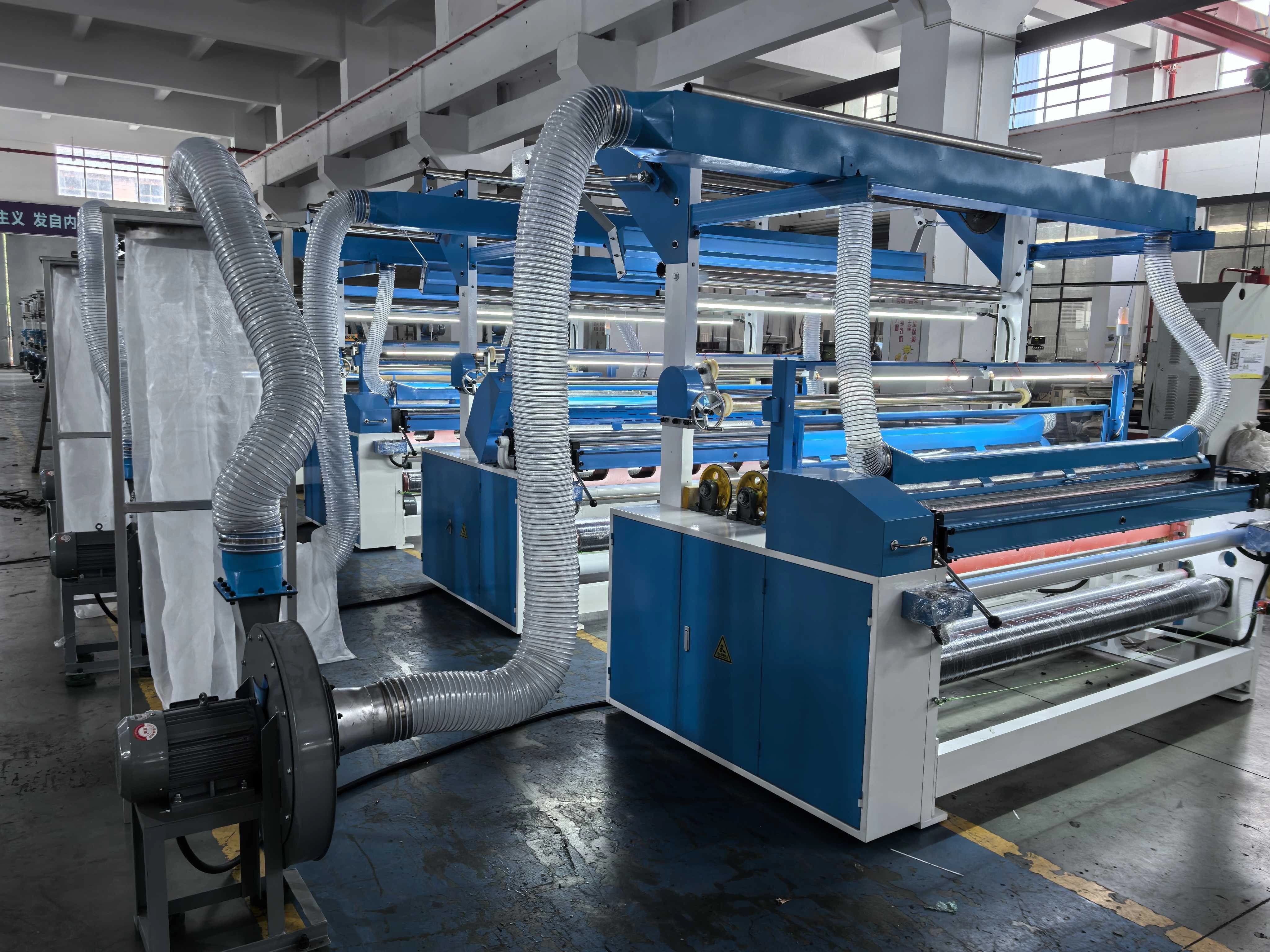
Understanding Corduroy Fabric and the Role of Precision Cutting
How Is Corduroy Fabric Made? The Integration of Cutting in the Manufacturing Process
Corduroy fabric begins as a double-layered textile with vertical ridges (wales) formed through twill or plain weaving techniques. The defining texture emerges after weaving, when precision cutting separates the floating yarns between layers to create raised piles.
Automated corduroy cutting machines use reciprocating blades angled at 30°–45° to slice fibers cleanly without damaging the base fabric. This stage directly influences the final hand feel and appearance, with servo-controlled systems reducing material waste by 20% compared to manual methods, according to 2023 data from Textile World.
The Importance of Pile Cutting in Defining Corduroy Wale Types and Variations
A corduroy's wale classification—measured in ribs per inch—is determined by the precision of the cutting process. Consistent pile height and spacing are essential for uniform dye absorption and durability.
| Wale Type | Pile Height (mm) | Cutting Tolerance |
|---|---|---|
| Wide (≤8) | 3.2–4.5 | ±0.3mm |
| Standard (9–14) | 2.1–3.0 | ±0.15mm |
| Pincord (≥15) | 1.0–2.0 | ±0.07mm |
Laser-guided blade alignment ensures these tight tolerances, enabling consistent nap formation critical for high-quality finishes.
Types of Corduroy Such as Pincord, Wide Wale, and Baby Cord: Impact on Cutting Requirements
Different corduroy types demand specialized cutting approaches:
- Wide wale requires staggered blade paths to accommodate broader, more spaced-out ribs
- Pincord, with its fine 1.2mm piles, needs micro-serrated blades (35–50 teeth/inch) for clean separation
- Baby cord utilizes hybrid shearing/cutting heads to produce low-profile 0.8mm naps
According to the 2024 Textile Manufacturing Report, 68% of defects in finished corduroy stem from improper blade sharpness (recommended edge radius ≤20µm) or mismatched feed rates during cutting.
Essential Technical Specifications of a Corduroy Cutting Machine
Core technical specifications that influence machine performance
Corduroy cutting machines today need to tackle those thick pile fabrics without messing things up. The main specs? A cutting width should be at least 620 mm so it works with regular fabric bolts, and height adjustments from about 20 to 70 mm when dealing with multiple layers stacked together. Most run on 36V lithium ion batteries now, which keeps them going strong even during long shifts, plus they stay under 75 decibels so workers don't get too annoyed by the noise. According to some recent data from textile manufacturing folks, companies that upgraded to these newer machines saw their productivity jump by around 23% compared to old school hydraulic systems. That kind of improvement makes all the difference in competitive markets.
Precision control in pile yarn cutting for consistent nap formation
Getting consistent pile height matters a lot for how good corduroy looks and works, which is why blade placement needs to be pretty spot on within about 0.1 mm. Modern machines have these torque sensors that pick up when the yarn gets stiff spots, then they tweak the cutting speed from around 0.7 to 1.2 meters per second as needed. Without this kind of smart adjustment, we end up with those annoying lumps and bumps in the fabric. And let's face it, nobody wants that. According to some research published last year in Textile Engineering Journal, this issue alone causes roughly 12% waste when people try doing it manually instead of relying on automated systems.
Blade technology and alignment: Ensuring clean cuts without damaging wale structure
Chromium-coated steel blades spinning at 3,000 RPM deliver the sharpness needed to cut through tightly woven warp and weft threads without fraying. Dual-axis alignment maintains 0.05° angular precision, preserving the integrity of narrow-wale fabrics (≥16 wales/inch). Industry trials show this setup reduces fabric rejection rates by 18% compared to single-axis systems.
Integration of Cutting Machines in Corduroy Production Workflow
Machinery Used in Corduroy Production, Including Cutting Mechanisms and Workflow Integration
These days, most corduroy factories rely heavily on automated cutting machines that have synchronized blades and some pretty advanced computer vision systems. When paired with CAD software, these machines match up perfectly with those characteristic wale patterns in the fabric, which cuts down on wasted material significantly compared to old school manual cutting techniques. According to a recent textile manufacturing report from 2023, fabric waste drops around 18% when using these automated systems. Another big plus is the real time tension monitoring feature that keeps everything running smoothly even at top speeds. This helps maintain those signature raised ridges in corduroy without them getting all stretched out or distorted during production, something that would really frustrate quality control managers if it happened regularly.
Integration of Production Stages in Corduroy Manufacturing: From Weaving to Final Cut
When all the steps work together well, weaving, dyeing, and cutting happen without any hiccups. These days many factories use laser guided fabric feeders that keep everything lined up properly on cutting tables. We've seen these systems cut down misalignment problems by about forty percent when running big batches. Once fabrics come out of the loom, automatic inspection machines check them over for flaws before they get cut. Only the good parts move forward through the process. Around two thirds of manufacturers have started using this kind of integrated system lately. The result? Faster production cycles and much better consistency between different batches of product.
Case Study: Changzhou Schneider Textile Machinery Co Ltd’s Approach to Precision Cutting
The folks at Changzhou Schneider have added some smart AI tech to their cutting systems for detecting wales in fabrics. They've got this patented blade system that moves back and forth, changing angles depending on how thick the material is. The machine works with all kinds of corduroy, from the thinner 8-wale stuff right up to the heavy duty 21-wale varieties, getting the nap formation just right about 99 times out of 100. Early tests showed something pretty impressive too - workers spent about half as much time doing those annoying trim jobs after cutting, which makes sense when thinking about what good automation can do for product quality and factory productivity.
Key Innovations in Corduroy Workflows
- Material Handling: Vacuum-assisted fabric spreaders prevent slippage
- Sustainability: Blade cooling systems reuse 85% of lubricants
- Scalability: Modular designs support small-batch and mass production
Managing Fabric Characteristics: Nap and Wale Direction in Cutting
Challenges in Handling Nap and Wale Direction in Corduroy During Automated Cutting
Corduroy fabric has this directional quality because of how the nap lies and those little ridges called wales, which makes automated cutting pretty tricky business. When pieces get cut out of alignment, there's often noticeable color shifts since light bounces off differently depending on angle. Keeping everything lined up properly across different parts of a garment usually means using about 15 to maybe even 20 percent more fabric than planned. That extra waste happens because pattern makers have to work around how the fibers run through the material. Some factories are starting to use optical sensors these days to spot where the pile is going, but getting things aligned within less than a millimeter still matters a lot, particularly with higher wale counts where any mismatch just stands out like a sore thumb.
Fabric Grain and Layout Techniques to Preserve Texture and Appearance Post-Cut
Keeping corduroy's signature texture intact starts with careful attention to grain alignment when cutting the fabric. Special vacuum tables hold several layers together without any stretching, which helps maintain those parallel wales along the grain line. When positioned cross-grain, there's noticeably less fraying at the edges – studies show around a 35% reduction in controlled environments. The industry has also adopted smart nesting software that calculates the best way to place patterns according to directionality needs. All these methods help cut down on material waste while still preserving what makes corduroy so recognizable with its characteristic ridges running through it.
Innovations and Future Trends in Corduroy Cutting Technology
Technological Advancements in Textile Manufacturing Shaping Next-Gen Cutting Machines
The latest corduroy cutting machines now come equipped with smart pattern recognition software and precision laser guides that deliver nearly flawless cuts across complex wale patterns. What makes these systems stand out is their ability to constantly measure pile heights during operation and adjust cutting depth accordingly. This results in significantly less fabric waste overall – somewhere around 22% less than what happens with traditional manual cutting techniques according to Textile World's 2024 report. Another big advantage comes from the modular design approach. Manufacturers can switch between producing wide wale and baby cord fabrics without having to stop production for blade changes, which saves valuable time on the factory floor.
Trend Analysis: Smart Sensors and AI Integration in Corduroy Cutting Machine Operations
Sensors connected to the internet are changing how we check quality in manufacturing processes. They spot when wales (those vertical lines in knitted fabrics) get out of alignment while production is happening and kick off fixes automatically. The smart systems behind these sensors look at around 1,200 different measurements for every meter of fabric produced. They tweak things like how tight the material is held during processing, how blades move back and forth, and where cuts happen. This helps cut down on wasted materials by about 18% because the system can predict problems before they actually occur with the fabric's texture. What makes this approach really work well is that it maintains good quality even when working with fabrics that vary in thickness throughout the batch.
Future Outlook: Sustainable and Energy-Efficient Models in Corduroy Fabric Production
Emerging models prioritize sustainability, with prototypes featuring regenerative braking systems that cut energy consumption by 40%. Closed-loop water cooling systems recycle 95% of process water, addressing environmental impact and lowering operational costs. Additionally, biodegradable lubricants are being tested to replace petroleum-based fluids, maintaining cutting precision while eliminating hazardous waste.
Frequently Asked Questions
What is the significance of precision cutting in corduroy production?
Precision cutting is essential in corduroy production as it ensures uniform pile height and spacing, affecting dye absorption, durability, and the fabric's final texture.
How do automated systems improve corduroy cutting?
Automated systems enhance corduroy cutting by ensuring consistent quality, reducing material waste, and enabling precise control over cutting speed and blade alignment.
What are common defects in corduroy that arise from cutting errors?
Common defects in corduroy from cutting errors include mismatches in wale direction and color shifts, often caused by improper blade sharpness or misaligned cutting.
How do advanced technologies affect the sustainability of corduroy production?
Advanced technologies improve sustainability by reducing energy consumption, recycling process water, and minimizing waste with precision cutting techniques.
Table of Contents
- Understanding Corduroy Fabric and the Role of Precision Cutting
- Essential Technical Specifications of a Corduroy Cutting Machine
- Integration of Cutting Machines in Corduroy Production Workflow
- Managing Fabric Characteristics: Nap and Wale Direction in Cutting
- Innovations and Future Trends in Corduroy Cutting Technology
- Frequently Asked Questions