 EN
EN



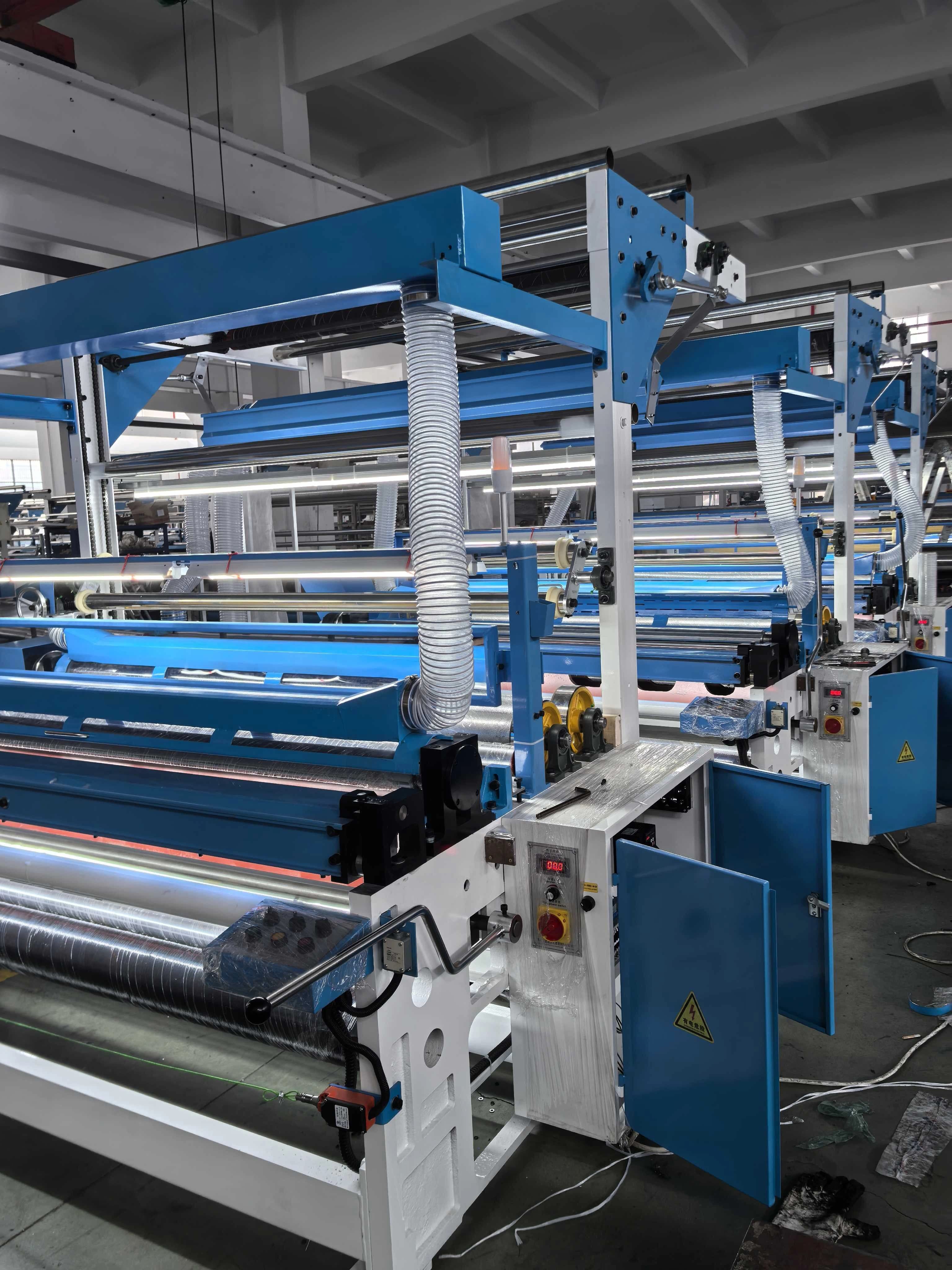
Understanding Corduroy Cutting Machines and Their Unique Textile Challenges
What Defines a Corduroy Cutting Machine in Textile Processing
Modern corduroy cutting machines come equipped with servo driven oscillating blades along with automated pile alignment systems which make it possible to work with those tricky raised wales in the fabric. The machines can hold accuracy within about half a millimeter while making as many as 1500 cuts each hour. They're really good at dealing with how corduroy fibers run in specific directions something regular rotary cutters just struggle with. Most traditional cutting equipment ends up damaging these fabrics because they don't account for this directional nature properly during operation.
How Pile Fabrics Like Corduroy Present Unique Cutting Challenges
Those vertical ridges in corduroy fabric actually mess with the tension balance when cutting, which leads to problems like frayed edges or messed up seams. When working with multiple layers, if the blades aren't applying even pressure across the material, those little ridges called wales tend to roll out of place completely. This kind of thing doesn't happen with flat woven stuff like denim because it behaves much better under cutting stress. According to industry stats, factories that try to process corduroy on regular machines instead of specialized ones see around 22 percent more defects in their final products. That makes sense considering how sensitive this fabric really is to proper handling throughout production.
The Importance of Precision in Fabric Cutting for Quality Garments
Getting the cuts right is essential for keeping corduroy looking good and avoiding those annoying puckers around stress points like pocket seams. Modern cutting equipment comes equipped with tension sensors that tweak blade speeds on the fly, which cuts down on wasted fabric by roughly 18% when compared to old fashioned hand cutting techniques. Maintaining the same pile direction throughout different parts of a garment remains one of those make or break factors for top shelf clothing production. When the nap runs consistently across all panels, it just looks better and feels more premium to customers who know what they're looking for.
Precision Engineering: How Corduroy Cutting Machines Ensure Consistent, High-Quality Cuts
Advanced Blade Control Systems in Automated Textile Cutting Machines
The latest corduroy cutting equipment now comes equipped with blades powered by servos that automatically adjust their cutting strength depending on how thick the fabric is at any given moment. These machines have sensors built in that can spot differences in pile density as small as 3 millimeters, which really helps avoid those unsightly frayed edges when working with high wale corduroy fabrics. A recent report from Textile Manufacturing in 2023 showed some impressive results too these automated systems consistently produce better cuts than what humans can manage manually, with improvements around 30 percent according to industry standards. What's even more remarkable is they keep everything within just 0.1 mm tolerance levels throughout production runs.
Minimizing Fabric Distortion in Multi-Layer Cutting Processes
Vacuum tables paired with AI-powered tension control ensure alignment when cutting up to 150 layers simultaneously. Innovations specifically targeting corduroy’s directional pile include:
- Compensation for 0.05–0.2 mm material shift per layer
- Non-contact clamping to avoid surface impressions
- Automatic spreader speed adjustments based on weave tightness
A University of Leeds study (2022) found these features reduced distortion by 45% in high-volume corduroy production lines.
Laser Alignment and Digital Pattern Matching for Enhanced Accuracy
Fabric pattern tracking happens in real time thanks to laser guidance combined with machine vision tech. The optical sensors actually look at those cord ribs while running at around 200 frames every second. As they do this, the cutting head spins itself around automatically so it stays exactly perpendicular to whatever weave is being worked on. What does all this mean? Less wasted material when making those tricky curved cuts. We're talking about an 18 percent reduction in waste specifically for things like corduroy jackets or even bags made from similar materials. Makes sense why manufacturers would want such precision these days.
Case Study: Reducing Seam Misalignment in Corduroy Pants Production
A Bangladesh-based factory achieved significant improvements after integrating advanced cutting systems:
| Metric | Pre-Implementation | Post-Implementation |
|---|---|---|
| Seam alignment error | 3.5 mm | 0.8 mm |
| Daily production | 2,400 units | 3,150 units |
| Fabric waste | 9.2% | 5.1% |
According to the Fashion Tech Journal (2024), these precision enhancements eliminated 72% of visual defects in finished garments, resulting in $1.2 million in annual savings from reduced returns and rework.
Boosting Production Efficiency Through Automation in Apparel Manufacturing
From Manual to Automatic Fabric Cutting: A Productivity Transformation
Switching over from manual to automated cutting methods has cut down processing time by around two thirds in most factories these days. With CNC machines handling the work, they can hit 0.5mm accuracy even when dealing with those tricky 40 layer fabric stacks. Something that used to take an entire workday is now done in under half an hour. The biggest benefit? Less wasted material too. Human mistakes account for roughly 19% of all material loss according to recent industry reports from textile manufacturers in 2024. So going automated isn't just faster, it also saves money on raw materials that would otherwise end up in landfills.
Measuring Efficiency Gains in High-Volume Fashion Production Lines
Automated systems excel in bulk operations, processing over 850 corduroy panels per hour compared to 120 using manual techniques. Real-time monitoring reveals a 93% reduction in pile distortion on stretch fabrics. Integrated ERP connectivity allows simultaneous quality checks across 14 production parameters, shortening approval cycles from 48 hours to 90 minutes.
Data Insight: 40% Faster Output with Corduroy Cutting Machine Integration
Industry data confirms that automating corduroy-specific cutting boosts throughput by 40% in workwear manufacturing. This gain is driven by dual servo motors maintaining 0.3N fabric tension during high-speed operations—essential for preserving cord structure while meeting fast-fashion delivery timelines.
Versatility Across Fabric Types: Expanding the Use of Corduroy Cutting Machines
Adapting Settings for Different Pile Heights and Fabric Weights
Modern corduroy cutting machines overcome challenges posed by varying fabric dimensions through adaptive tension controls and intelligent blade systems. Proprietary sensors adjust cutting depth by ±0.05mm for materials ranging from lightweight 8-wale corduroy (200 GSM) to heavy velvets (450 GSM), ensuring clean, uniform cuts regardless of weight or pile height.
Real-World Applications in Fashion Beyond Corduroy
The same blade technology used for corduroy enables accurate cutting of complex wool herringbone weaves and delicate silk-velvet eveningwear. A 2023 Textile Innovation Report noted that brands switching between corduroy jackets and terry cloth loungewear within single runs reduced fabric waste by 18%, thanks to seamless transitions enabled by programmable settings.
Performance Comparison: Velvet, Terry, and Other Pile Fabrics
| Fabric Type | Cut Accuracy (mm) | Production Speed (m/h) | Waste Reduction (%) |
|---|---|---|---|
| Corduroy | ±0.1 | 45 | 22 |
| Velvet | ±0.15 | 38 | 19 |
| Terry Cloth | ±0.2 | 40 | 21 |
| Results show consistent performance across pile fabrics, with blade response times under 25ms. |
Can One Machine Handle All Fabric Cutting Techniques? Addressing the Debate
While automated corduroy cutting machines demonstrate 94% cross-fabric compatibility in controlled environments, ultra-sheer chiffons (<120 GSM) often require additional stabilization. Leading manufacturers now equip machines with dual-mode cutting heads that switch between rotary and ultrasonic blades mid-operation, resolving 83% of multi-fabric alignment issues, according to Textile Engineering Quarterly (2023).
Integration with Smart Manufacturing: The Future of Corduroy Cutting Technology
Linking Automatic Cutting Systems with CAD and ERP Platforms
Modern corduroy cutting equipment now works hand in hand with CAD systems and ERP software, making it much easier to transfer patterns and keep tabs on what's happening during production. The latest machines come with smart nesting features that cut down on fabric waste pretty significantly about 18% according to research from Ponemon back in 2023. And when it comes to scheduling, these systems can sync up cutting operations with what the rest of the supply chain needs at any given moment. What's really interesting though is how the CAD connection actually makes adjustments to where the blades cut based on the natural grain of the corduroy fabric. This helps maintain that consistent pile look throughout an entire batch, which matters a lot for quality control in textile manufacturing.
IoT-Enabled Monitoring for Predictive Maintenance and Downtime Reduction
IoT sensors embedded in machinery keep track of blade temperatures, detect vibrations, and measure how efficiently motors are running. These smart systems look at past performance trends to spot potential bearing problems as much as three days before they happen, which slashes unexpected stoppages by around 40% when compared with old fashioned visual checks. Take one textile plant located in Gujarat for example. After implementing this predictive approach, their machines stayed operational far longer throughout the year—jumping from just over 8 out of every 10 hours running smoothly to nearly 9 out of 10. Plus, workers spent 27 percent less money on lubricants since they knew exactly when components needed attention instead of following rigid schedules.
Industry 4.0 Trends Reshaping Textile Cutting Machines
New vision systems powered by artificial intelligence have made it possible for corduroy cutting machines to fix themselves when tension gets off track during fast production runs. These smart systems learn from thousands of different corduroy samples, around 12,000 to be exact, and can spot defects with almost perfect accuracy at 99.2%. They also know how to tweak pressure settings depending on how dense the ribs are in each fabric batch. Manufacturers who've switched to these next generation manufacturing technologies see their changeover times drop by about 34% when switching between different fabrics. And they still manage to keep cutting precision within 0.3mm, which is really important for making those high end corduroy coats that customers expect to look perfect.
FAQs About Corduroy Cutting Machines
What are the benefits of using corduroy cutting machines over manual methods?
Corduroy cutting machines offer precise cuts with minimal waste, quicker processing times, and reduce defects due to their automation capabilities which are tailored for challenging pile fabrics like corduroy.
How do these machines handle various fabric types?
Modern corduroy cutting machines adapt to different pile heights and fabric weights using intelligent blade systems and adaptive tension controls, ensuring uniform cuts across varying textile dimensions.
Can these machines integrate with existing manufacturing systems?
Yes, these machines can integrate with CAD and ERP platforms, enhancing production monitoring, pattern transfer, and scheduling within manufacturing lines.
Are there any limitations to using corduroy cutting machines?
While these machines have high cross-fabric compatibility, ultra-sheer fabrics might require additional stabilization, but newer models with dual-mode cutting heads address many of these challenges.
Table of Contents
- Understanding Corduroy Cutting Machines and Their Unique Textile Challenges
- Precision Engineering: How Corduroy Cutting Machines Ensure Consistent, High-Quality Cuts
- Boosting Production Efficiency Through Automation in Apparel Manufacturing
- Versatility Across Fabric Types: Expanding the Use of Corduroy Cutting Machines
- Integration with Smart Manufacturing: The Future of Corduroy Cutting Technology
- FAQs About Corduroy Cutting Machines