 EN
EN



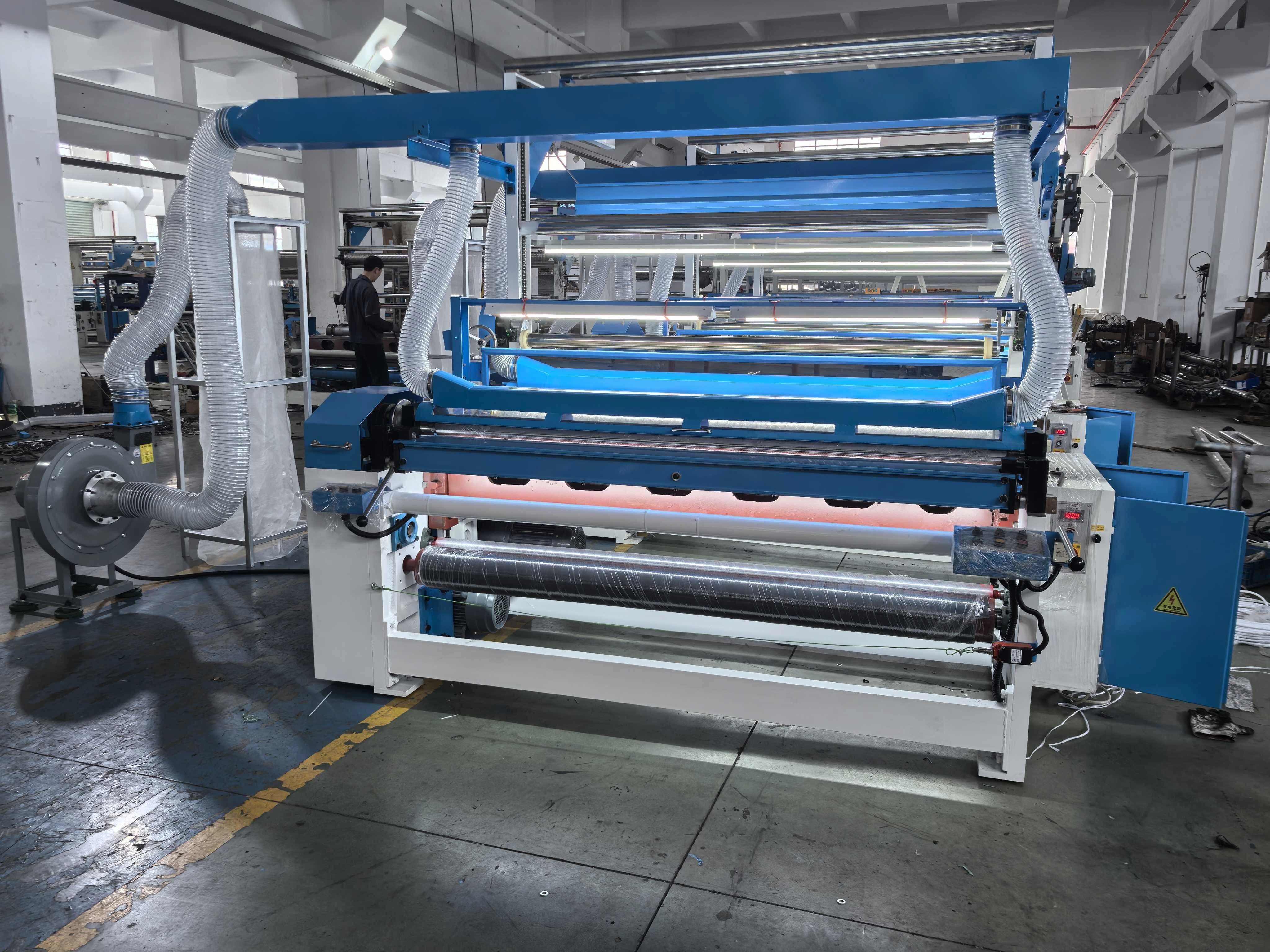
Blade Dullness and Misalignment in Corduroy Cutting Machines : Leading Causes of Poor Cuts
How Dull Blades Degrade Corduroy Fabric Quality During Cutting
When blades get dull on corduroy cutting machines, they start tearing fabric strands rather than making clean cuts, which leads to those annoying frayed edges and inconsistent pile heights across the material. The extra friction from this poor cutting actually goes up around 40 percent, creating so much heat it can literally melt some synthetic fibers. This becomes a real problem when working with blended corduroys that contain these synthetics. Most operators don't realize their blades are getting worse until issues pop up regularly like missed stitching rows or materials getting dragged through the machine instead of moving smoothly.
Identifying Misalignment Through Uneven Cuts and Edge Fraying
When blades aren't properly aligned, they tend to produce uneven cuts that show up as crooked edges or missing ridges in those ribbed fabrics we work with daily. One quick check? Look at what gets thrown away after cutting. If there's always more fraying happening on just one side of the scraps, chances are good the blade is tilted somehow. Keeping those blades running parallel according to specs from the factory can cut down on these kinds of problems by about two thirds, according to most maintenance reports. For regular checks, grab that dial indicator tool roughly every five hundred hours of operation time. Make sure the gap between blades stays within plus or minus 0.1 millimeters. If it drifts outside that range, tighten or loosen those little adjustment screws until everything lines back up.
Step-by-Step Guide to Sharpening and Realigning Corduroy Cutting Machine Blades
- Isolate the machine and remove blade guards
- Apply a diamond honing stone at a 25° angle for 10–15 passes per blade edge
- Clean debris with a nylon brush and isopropyl alcohol
- Reinstall blades using torque-limiting wrenches (35–40 Nm)
- Validate alignment through test cuts on scrap corduroy, checking for clean wale formation
Case Study: Fixing Chronic Missed Cuts via Blade Recalibration in a Textile Plant
A mid-sized textile manufacturer reduced fabric waste by 22% after addressing persistent blade misalignment. Technicians replaced worn spindle bearings and instituted biweekly sharpening cycles, restoring cut consistency within 48 hours. Following recalibration, the corduroy cutting machine achieved 98% accuracy across 12,000 linear meters of production, demonstrating how targeted maintenance directly improves output quality.
Diagnosing Fabric Fraying, Uneven Cuts, and Missed Cuts
Fabric fraying, uneven cuts, and missed cuts in corduroy operations often stem from interrelated mechanical issues. Over 65% of these problems are linked to improper blade maintenance, inconsistent feed mechanisms, or sensor failures. Early diagnosis helps prevent material waste and preserves the fabric’s signature texture.
Root Causes of Fabric Fraying in Automated Corduroy Cutting Machine Operations
Fraying occurs when dull or vibrating blades pull rather than cut fibers, crushing corduroy’s vertical wales. This leads to fiber snagging and edge unraveling in finished panels. Studies show 23% of fraying cases are exacerbated by incorrect clamping pressure, which fails to stabilize the fabric during high-speed cutting cycles.
Inconsistent Feed Mechanisms and Their Impact on Cut Precision
Malfunctioning feed systems disrupt precision, leading to distorted rib patterns and dimensional inaccuracies:
| Normal Operation | Inconsistent Feed |
|---|---|
| Uniform fabric advancement | Irregular material movement |
| 0.1mm cut tolerance | ±0.5mm deviation |
| Smooth wale alignment | Distorted rib patterns |
A 2023 analysis found that 42% of feed-related errors originate from worn servo motors or debris-clogged rollers, emphasizing the need for routine inspection.
Sensor Failures and Control System Errors Leading to Missed Cuts
When cuts get missed during operations, it's usually because the optical sensors aren't lined up properly or there's some bad data coming from the PLCs. Problems with encoders sometimes send out these fake "cut complete" messages, and software bugs will just plain skip over those programmed coordinates altogether. A recent look at how cutting systems need regular calibration showed something interesting: factories that recalibrated their infrared sensors roughly every 500 hours saw almost an 80% drop in missed cuts on their fast moving production lines. That kind of improvement makes a real difference in efficiency for manufacturers dealing with tight tolerances day after day.
Preventive and Corrective Maintenance for Reliable Performance
Essential preventive maintenance routines for high-volume corduroy cutting machines
Regular maintenance prevents 72% of unexpected breakdowns in textile machinery. For high-volume corduroy cutting machines processing over 10,000 daily cuts, follow this schedule:
- Biweekly: Inspect blade sharpness using precision gauges
- Monthly: Lubricate feed mechanisms with NSF H1-approved grease
- Quarterly: Verify cutting head alignment within ±0.02 mm tolerances
Plants adhering to industry-approved maintenance schedules report 31% longer blade lifespans compared to reactive approaches.
Corrective actions when signs of wear or malfunction appear
Address irregular cutting patterns immediately:
- Isolate and tag the machine following lockout/tagout protocols
- Check servo motor current draws exceeding 4.2A, indicating potential bearing wear
- Replace presser feet with groove erosion greater than 0.8mm
Facilities using real-time vibration monitoring resolve 89% of alignment issues within two production shifts, significantly reducing fabric waste.
Data insight: Reducing downtime by 40% with scheduled maintenance interventions
Analysis of 142 textile plants reveals clear advantages of scheduled maintenance:
| Metric | Reactive Maintenance | Scheduled Maintenance | Improvement |
|---|---|---|---|
| Monthly Downtime | 14.7 hours | 8.8 hours | 40% reduction |
| Blade Replacement Costs | $2,810 | $1,920 | 31.7% savings |
These results confirm that proactive interventions preserve machine accuracy and reduce operational costs.
Optimizing Blade Replacement and Usage Monitoring
Determining Optimal Blade Replacement Frequency Based on Production Volume
For shops running at high volumes, blade replacements typically happen around the 350 to 500 hour mark. Low volume operations might stretch this out to about 700 or even 800 hours before needing new blades. Plants that process over 10k linear meters each week generally need those biweekly checkups. Smaller facilities can usually get away with monthly inspections instead. Getting replacement timing right based on actual production levels cuts down on unexpected downtime by nearly 40%, which translates to saving roughly five grand per month across most operations. That figure comes from recent industry analysis conducted last year. Keep an eye on these important signs when planning maintenance schedules:
- Percentage increase in required cutting force
- Frequency of fabric snags per 1,000 cuts
- Blade temperature trends during continuous runs
Monitoring Usage Patterns to Predict Failures in Corduroy Cutting Machine Systems
Modern corduroy cutting machines equipped with IoT sensors monitor critical parameters in real-time:
- Blade engagement angle under peak load
- Motor torque fluctuations across 8-hour shifts
- Material thickness variations within fabric rolls
- Hourly accumulation of textile particulates around cutting heads
Analyzing these datasets enables prediction of blade failure 72–96 hours in advance. A 2023 study showed such predictive monitoring reduces emergency repairs by 67%. Combine sensor insights with manual blade edge inspections every 250 operating hours to ensure alignment with programmed cutting paths.
Lubrication, Cleaning, and Operational Best Practices
Consistent lubrication and debris management are essential for reliable corduroy cutting machine operation. Facilities implementing structured cleaning routines experience 22% less downtime than those relying on reactive maintenance.
Best Practices for Lubrication and Cleaning to Prevent Jams in Corduroy Cutting Equipment
Stick to those manufacturer-approved high viscosity lubricants when dealing with gears and blade housings if we want to keep friction levels down. The timing matters too much really - putting on too much grease just invites dust buildup, but not enough will cause parts to wear out faster than they should. At the end of every shift, workers need to go through feed rails and cutting beds with good quality industrial degreasers to get rid of all those stubborn fibers that stick around after processing. Some facilities have started implementing daily cleaning checklists, and according to their records, this simple practice cuts blade jam incidents by roughly 38 percent within half a year. Of course, getting everyone on board with consistent cleaning routines takes time and effort, but the payoff definitely makes it worthwhile in the long run.
How Debris Accumulation Affects Machine Accuracy and Fabric Finish
When loose fibers get mixed in with leftover adhesive stuff around the rollers, it messes up how they line up properly. This causes problems like inconsistent tension across materials being processed, which leads to those annoying frayed edges everyone hates. Even tiny bits of contamination measuring about half a millimeter inside blade tracks can actually change the cutting depth quite a bit - sometimes changing it by over 1.2 mm. That kind of variation really messes with the regular pattern of ribs on products. For anyone dealing with this issue regularly, putting magnetic strips close to where actual cutting happens works wonders for catching metal scraps coming off cut edges. These magnets grab roughly 90% of iron-based particles floating around, making sure cuts stay accurate without constant readjustments throughout production runs.
FAQ
How often should blade replacements occur in high-volume operations?
Blade replacements in high-volume operations typically occur every 350 to 500 hours.
What is the impact of debris accumulation on cutting machines?
Debris accumulation can cause inconsistent tension and frayed edges, affecting machine accuracy.
How can misalignment issues be detected?
Misalignment can be detected through uneven cuts, crooked edges, or missing ridges in fabrics, and by checking fraying patterns on scraps.
Table of Contents
- Blade Dullness and Misalignment in Corduroy Cutting Machines : Leading Causes of Poor Cuts
- Diagnosing Fabric Fraying, Uneven Cuts, and Missed Cuts
- Preventive and Corrective Maintenance for Reliable Performance
- Optimizing Blade Replacement and Usage Monitoring
- Lubrication, Cleaning, and Operational Best Practices