 EN
EN



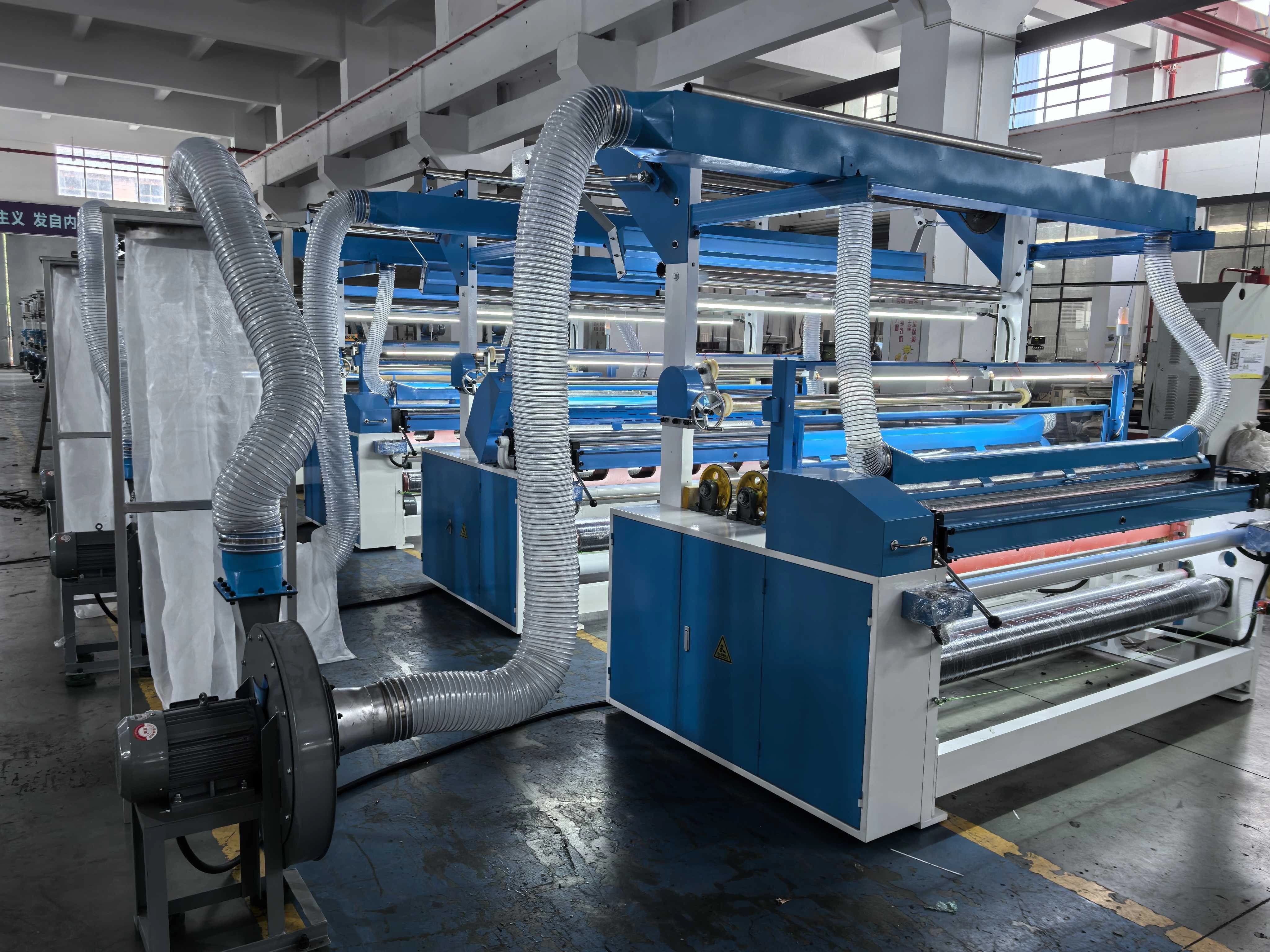
Understanding Corduroy Fabric Challenges in Cutting and Layout
Direction of Nap and Wales in Corduroy: Why It Matters for Cutting
The distinctive ridges (often called wales) and directional nap of corduroy present some pretty tricky cutting problems for manufacturers. Getting that nap aligned properly matters a lot when making clothes that look good on the shelf. If the fabric gets cut wrong, there will be noticeable shade differences across different parts of the garment which just looks terrible and lowers overall quality standards. According to various industry reports from last year, around 12 to maybe even 15 percent of fabric ends up wasted because sections don't match up after cutting. That's why many factories now invest in modern equipment equipped with laser guidance systems that sense where the nap is pointing. These machines cut down on alignment mistakes by roughly 87% compared to what happens when someone tries doing it all by hand, though they still require careful setup and maintenance to work correctly.
Managing Grainlines and Nap Direction During Layout
Getting the grainline right matters a lot when working with corduroy fabric. Cut it wrong and things start going off track fast. Distortion happens, fabric twists on itself during sewing, and before long we're looking at garments that don't fit properly and require expensive fixes. Many manufacturers have been struggling with this issue for years. That's why modern automated spreading machines come equipped with tension sensors these days. These sensors help keep everything aligned properly even when dealing with multiple fabric layers stacked together. According to industry reports from last year, around seven out of ten manufacturers cited misalignment problems as their biggest headache during production runs.
Material-Specific Strategies for Cutting Corduroy Fabric
Thicker corduroy (â¥8 wales per inch) requires specialized handling to prevent edge crushing and fraying. Effective strategies include:
- Tapered blades: Deliver clean cuts through dense fibers
- Low-friction cutting beds: Minimize snagging during material feed
- Dynamic pressure adjustment: Automatically adapts blade force based on fabric density
These techniques reduce material waste by 19% in high-volume production compared to conventional methods.
Precision Cutting Technology in Corduroy Cutting Machines
Modern corduroy cutting machines leverage advanced engineering to manage the fabric’s directional nap and structural complexity. These systems enhance precision and minimize waste through three core technological components.
Precision Cutting Methods Enabled by Corduroy Cutting Machine Technology
Cutting systems that are automated can get down to tolerances as tight as 0.01 inches according to SkyAT Industry Reports, thanks to those CNC guided blades working alongside optical sensors that read fabric textures. When making cuts on materials like corduroy, these machines make sure every slice follows along the wale lines properly so patterns stay intact even when producing thousands of pieces at once. The servo motors behind these cutters constantly tweak blade positions while running, which helps handle differences in how high the fabric piles stand up from the base material. This adjustment process cuts down on wasted material caused by misaligned cuts by around 17 percent or so, depending on what kind of fabric they're working with.
Use of Sharp Tools in Cutting Corduroy to Maintain Clean Edges
Diamond-coated blades remain sharp through 8,000+ cutting cycles, preventing fraying on corduroy’s textured surface. Their durability allows factories to process 30% more fabric between changes while maintaining cut accuracy within <0.5 mm deviation.
Impact of Blade Calibration on Material Waste Reduction During Cutting
Daily laser calibration ensures blade positioning accuracy within 5 microns. In a trial at an apparel manufacturer, this reduced overcut errors by 42%, saving 1.2 yards of corduroy per 100 yards processed. When paired with anti-slip vacuum tables, precise calibration enables tighter nesting patterns, improving material utilization by 12â15% in directional fabrics.
Automated Optimization for Efficient Corduroy Fabric Usage
Use of Cutting Software and Automation in Modern Corduroy Cutting Machines
Modern corduroy cutting machines come equipped with integrated software that helps keep fabrics properly aligned while reducing waste. The system automatically adjusts how patterns are oriented depending on the wale direction of the fabric. This basically gets rid of those annoying miscuts that happen when someone makes a mistake laying out the material by hand. A recent study published in the Textile Technology Journal back in 2023 showed some pretty impressive results from using this kind of optimized nesting software. When they accounted for the nap direction during digital layout processes, material usage actually went up by about 19%. That's a significant improvement for manufacturers looking to cut costs without sacrificing quality.
Nesting Techniques for Efficient Material Use in Directional Fabrics
Automated nesting algorithms prioritize corduroy’s ridge orientation when plotting cutting paths, ensuring all pieces align with the grainline. A 2023 industry analysis found that these systems achieve 93â95% material utilization for directional fabricsâ12% higher than manual methodsâwhile preventing issues like uneven texture or misaligned wales.
Real-Time Adjustments in Cutting Paths Based on Fabric Anomalies
AI-powered cutting machines detect flaws such as weave inconsistencies or dye variations during operation and instantly recalculate blade paths. Implementations reviewed in Smart Manufacturing Review 2024 showed these adaptive systems reduce recuts by 30%, avoiding waste from flawed sections.
Case Study: 23% Reduction in Scrap Using Automated Nesting Algorithms
A leading apparel manufacturer reduced corduroy scrap by 23% within eight months of adopting automated nesting. Analysis of 18,000 cutting cycles identified directional misalignment as the primary source of wasteâan issue resolved through algorithm-driven protocols that ensure consistent wale orientation.
Economic Benefits: Reducing Material and Labor Costs
Cost Savings from Reduced Material Waste in High-Volume Production
AI-driven nesting algorithms in modern corduroy cutting machines reduce fabric waste by up to 30% in high-volume settings. According to a 2024 Textile Manufacturing Report, tools that ensure directional alignment preserve 12â18 yards per 100-yard roll. Given that raw materials account for 40â60% of apparel production costs, this efficiency translates into significant savings.
Economic Impact of Fabric Usage: Quantifying ROI of Corduroy Cutting Machine Investment
Businesses typically achieve ROI within 12â18 months through combined material and labor savings. One mid-sized manufacturer cutting 50,000 corduroy panels monthly reported $1.2M in annual cost reductions after automationâa 23% margin improvement (Textile World, 2023). Key drivers include:
- 18â25% lower fabric procurement costs
- 65% faster cutting cycles
- 90% reduction in manual layout errors
Fabric Waste Reduction in Apparel Production: Industry Benchmarks
The apparel industry averages 15â20% fabric waste in manual corduroy cutting, compared to 6â8% with automated systems. A 2024 case study demonstrated a 23% drop in scrap using dynamic nesting algorithms that adapt to wale direction, saving 2.3 tons of fabric monthly per machine.
Reduction in Manual Labor Requirements with Corduroy Cutting Machine Adoption
Automation reduces cutting labor needs by 70â80%, enabling one operator to manage 3â4 machines simultaneously. Labor costs fall from $8â$12 per yard to $2â$3, while eliminating repetitive strain injuries associated with manual blade handling.
Training Needs and Operational Efficiency Gains in Automated Environments
Though operators require 40â60 hours of initial training, automated cutters improve throughput consistency by 95%. Post-training, error rates decline from 1 in 50 cuts to 1 in 500, reducing quality control labor by 35% (Textile Institute, 2024).
Sustainability and Brand Value in Efficient Corduroy Cutting
Fabric Waste Reduction: Environmental and Brand Value Benefits
Modern corduroy cutting machines reduce fabric waste by up to 23% compared to manual processes, significantly lowering landfill contributions and carbon emissions from textile disposal. As highlighted in the 2024 Textile Sustainability Report, waste reduction strengthens brand loyalty among eco-conscious consumers. The benefits are twofold:
- Environmental Impact: Reduced waste correlates with 18% lower water and energy consumption per production cycle.
- Brand Equity: 67% of consumers prioritize brands with verifiable sustainability practices, offering a competitive edge in saturated markets.
Aligning with Circular Fashion Goals Through Precise Cutting Corduroy Fabric Processes
Cutting edge systems now make it possible to create closed loop production processes through better layout optimization for recycling purposes. When fabrics stay intact during cutting, around 92 percent of those leftover scraps can actually get turned back into something useful like new clothes or even building insulation materials, which ticks all the boxes required for circular fashion certifications these days. The automated nesting technology keeps track of fabric grain lines accurately too, something that matters a lot when making quality recycled corduroy items. Brands adopting such practices find themselves well positioned to meet rules set out by frameworks like the European Union's Ecodesign for Sustainable Products Regulation (ESPR). Companies embracing this approach aren't just following regulations though they're setting themselves apart as real leaders in sustainable manufacturing circles.
FAQs
Why is the nap direction important when cutting corduroy fabric?
The nap direction is vital because if it's not aligned properly, it can lead to noticeable shade differences in garments, affecting their aesthetic quality and reducing overall quality standards.
How do modern machines help reduce waste in corduroy cutting?
Modern machines equipped with laser guidance systems and CNC guided blades enhance alignment and precision, significantly reducing cutting errors and fabric waste.
What are the benefits of using automated nesting software in corduroy cutting?
Automated nesting software optimizes pattern layout based on the nap direction, increasing material utilization by up to 19% and reducing the likelihood of miscuts.
How does automated cutting technology impact labor costs?
Automated cutting technology reduces cutting labor requirements by 70–80%, enabling a single operator to manage multiple machines, thereby significantly lowering labor costs.
Table of Contents
- Understanding Corduroy Fabric Challenges in Cutting and Layout
- Precision Cutting Technology in Corduroy Cutting Machines
- Automated Optimization for Efficient Corduroy Fabric Usage
-
Economic Benefits: Reducing Material and Labor Costs
- Cost Savings from Reduced Material Waste in High-Volume Production
- Economic Impact of Fabric Usage: Quantifying ROI of Corduroy Cutting Machine Investment
- Fabric Waste Reduction in Apparel Production: Industry Benchmarks
- Reduction in Manual Labor Requirements with Corduroy Cutting Machine Adoption
- Training Needs and Operational Efficiency Gains in Automated Environments
- Sustainability and Brand Value in Efficient Corduroy Cutting
- FAQs