 EN
EN



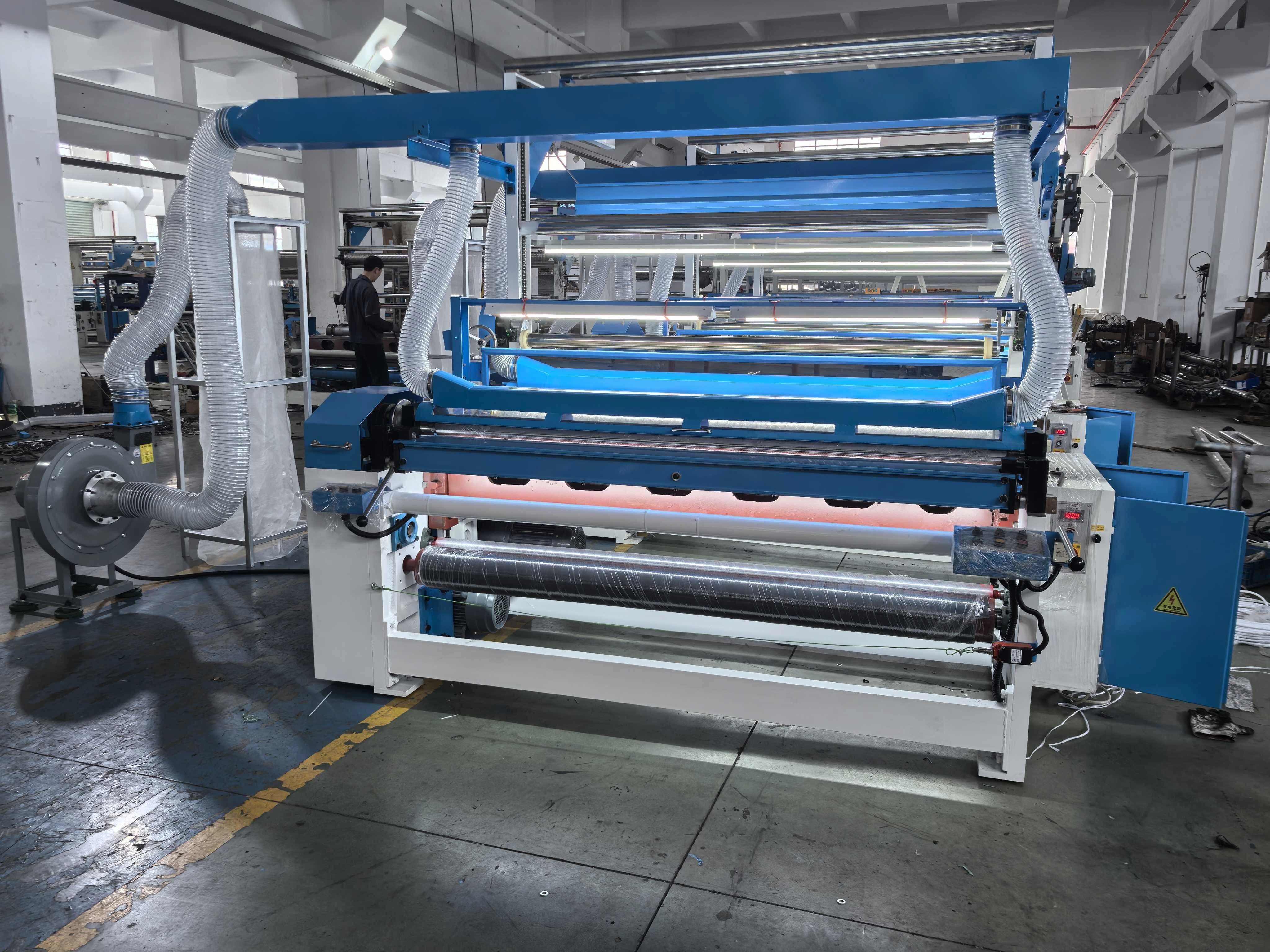
Core Mechanism and Key Components of the Corduroy Cutting Machine
What Is a Corduroy Cutting Machine and How Does It Work?
Corduroy cutting machines are specifically made for handling that distinctive ribbed texture in corduroy fabric. These machines have really accurate blades working together with feeding systems that move the material along just right. The goal is to cut those little ridges or wales without messing up how they line up across the fabric. When these machines run, rollers powered by motors push the fabric forward while blades positioned straight up and down make the actual cuts. Most modern models come with computer controls that let operators set exact measurements. Some can get down to within half a millimeter either way on their cuts, which matters a lot when making quality garments from this type of fabric.
Essential Components Enabling Precision in the Corduroy Cutting Machine
Four core subsystems determine the machine’s performance:
- Blade Assembly: Tungsten carbide or ceramic blades deliver clean, low-friction cuts essential for delicate pile fabrics.
- Tension Control: Dynamic actuators adjust fabric tautness in real time, preventing slippage during high-speed operations.
- Feed Mechanism: Servo-driven rollers ensure consistent advancement, perfectly synchronized with blade motion.
- CNC Interface: Converts digital patterns into precise cut paths while continuously monitoring speed, pressure, and alignment.
Blade Alignment and Its Impact on Fabric Integrity
Even minor misalignment—over 0.5°—can cause fraying or uneven edges due to corduroy’s dense pile structure. Laser-guided calibration tools are now standard in modern machines, verifying blade angles before each production run. Proper alignment reduces material waste by 18% compared to manual setups, preserving both quality and efficiency.
Automation Integration in Modern Corduroy Cutting Machine Systems
Advanced models integrate IoT sensors that monitor blade wear, tension fluctuations, and throughput. These data streams feed predictive algorithms that automatically adjust settings or schedule maintenance. AI-driven motor systems optimize energy use by modulating power during idle phases, reducing operational costs by up to 22% in high-volume environments.
Corduroy Fabric Structure and Its Influence on Cutting Dynamics
How the Wale Structure of Corduroy Affects the Corduroy Cutting Machine Process
Corduroy fabric with its characteristic ribs poses some real headaches for cutters. When dealing with fabrics that have denser ribbing between 12 to 16 ribs per inch, the blades need to be set closer together so the edges don't fray apart. But when working with coarser materials where there are eight or fewer ribs per inch, regular industrial blades will do just fine. Studies show something interesting about medium weight corduroy too. The loops tend to measure about a centimeter long, and these fabrics actually resist shearing forces about 23 percent better than tighter weaves, which means blades get worn down faster. That's why many newer cutting systems now come equipped with special adjustable presser feet. These help keep those pesky ribs aligned while cutting, getting rid of that annoying zigzag pattern people often see when someone tries to cut corduroy by hand.
Thermal vs. Mechanical Cutting: Performance in Corduroy Cutting Machine Applications
Machines fitted with lasers cut down edge charring to around 0.3 mm when working with thick 600D fabrics. That represents a pretty big jump from older thermal knives, actually about 62% better performance overall. The secret lies in keeping temperatures between 180 and 220 degrees Celsius throughout the process. But don't count out traditional mechanical blades just yet. For those high pile corduroys, they still give cleaner results with nearly 19 Newtons per square millimeter less fiber movement sideways. Some newer setups are mixing things up by combining ultrasonic vibrations at 40 kilohertz with carbide blades. This approach helps maintain consistent cutting pressure whether going through peaks or valleys in fabric texture. And guess what? These hybrid systems can hit within plus or minus 0.15 mm accuracy even when dealing with really heavy-duty materials like 20 ounces per square yard fabrics.
Step-by-Step Operation Workflow of a Corduroy Cutting Machine
Fabric Feeding Mechanisms in the Corduroy Cutting Machine Workflow
The process begins with synchronized feeding systems that maintain tension within ±1.5N, per ISO 9073-7 standards. Multi-directional servo rollers guide the textured surface without compressing the raised wales, while optical sensors provide real-time alignment corrections, ensuring positional accuracy within 0.05 mm. This ensures uniform material presentation for precise cutting.
Precision Control During the Corduroy Cutting Machine Cycle
Cutting parameters adapt dynamically to variations in pile density via integrated load-cell feedback. Modern units utilize hybrid blade oscillation (15,000–28,000 cycles/minute) alongside CNC-controlled pressure adjustments, achieving ±0.2 mm dimensional accuracy across multi-layer stacks. Thermal imaging prevents scorching by keeping blade temperatures below 65°C, safeguarding fabric integrity during rapid operation.
Post-Cutting Handling and Edge Finishing Capabilities
After cutting, vacuum-assisted transfer systems move pieces without disturbing the pile. Laser-based inspection modules detect irregularities smaller than 0.3 mm, ensuring edge quality. Advanced models include auto-thread trimming and electrostatic fusing units that seal edges without traditional overlocking, cutting post-processing time by 18–22% compared to conventional methods.
Technological Innovations and Future Trends in Corduroy Cutting Machine Design
Smart Sensors and AI Integration in Next-Generation Corduroy Cutting Machines
The latest corduroy cutting equipment now incorporates smart sensors along with artificial intelligence that keeps adjusting where the blades cut throughout operation. These advanced systems look at how tight the fabric is, check the direction of the wales, and monitor wear on the cutting edges too. As a result they maintain pretty much constant accuracy within about half a millimeter even after running all day long for 12 hours straight. Some recent studies from manufacturers back in 2025 showed that when factories upgrade to these AI powered machines, they actually waste around 18 percent less fabric than what happens with older models that need manual adjustments.
Energy Efficiency Advancements in Corduroy Cutting Machine Operations
Leading manufacturers are seeing around 40% less energy usage thanks to some smart updates they've made recently. The main game changers include regenerative braking systems for conveyor motors, adjusting power levels depending on how thick the fabric being cut actually is, and swapping out those old 150 watt halogen bulbs for much more efficient LED alignment lasers. According to figures from the latest Sustainable Cutting Technology Report released this year, these improvements brought down overall energy consumption significantly. What used to take 2.1 kilowatt hours per square meter back in 2020 has now dropped all the way to just 1.2 kWh/m². That kind of jump makes a big difference when looking at long term operational costs.
Are Fully Automated Corduroy Cutting Machine Systems Worth the Investment?
Fully automated systems definitely come with a higher price tag, usually around 2 to 3 times what traditional setups cost upfront. But most manufacturers find that their investment pays off within about 26 months. The advantages are pretty substantial too. Manual alignment mistakes drop by nearly 92%, machines run nonstop day and night, and smart maintenance features cut down unexpected stoppages by almost half. Textile companies processing more than 500k linear meters each year often see automation as worth the expense, particularly when these systems hook up with enterprise resource planning software. This combination gives managers live visibility into what's happening on the factory floor at all times.
FAQ
What materials are used for blades in corduroy cutting machines?
Tungsten carbide or ceramic blades are typically used to ensure clean and precise cuts.
How does automation benefit corduroy cutting machine operations?
Automation integrates IoT sensors and AI for smarter operations, reducing costs, fabric waste, and manual errors while improving efficiency and precision.
Are fully automated corduroy cutting systems cost-effective?
While they have higher initial costs, they are cost-effective in the long term, with reduced operational errors and maintenance needs, often paying off within 26 months.