 EN
EN



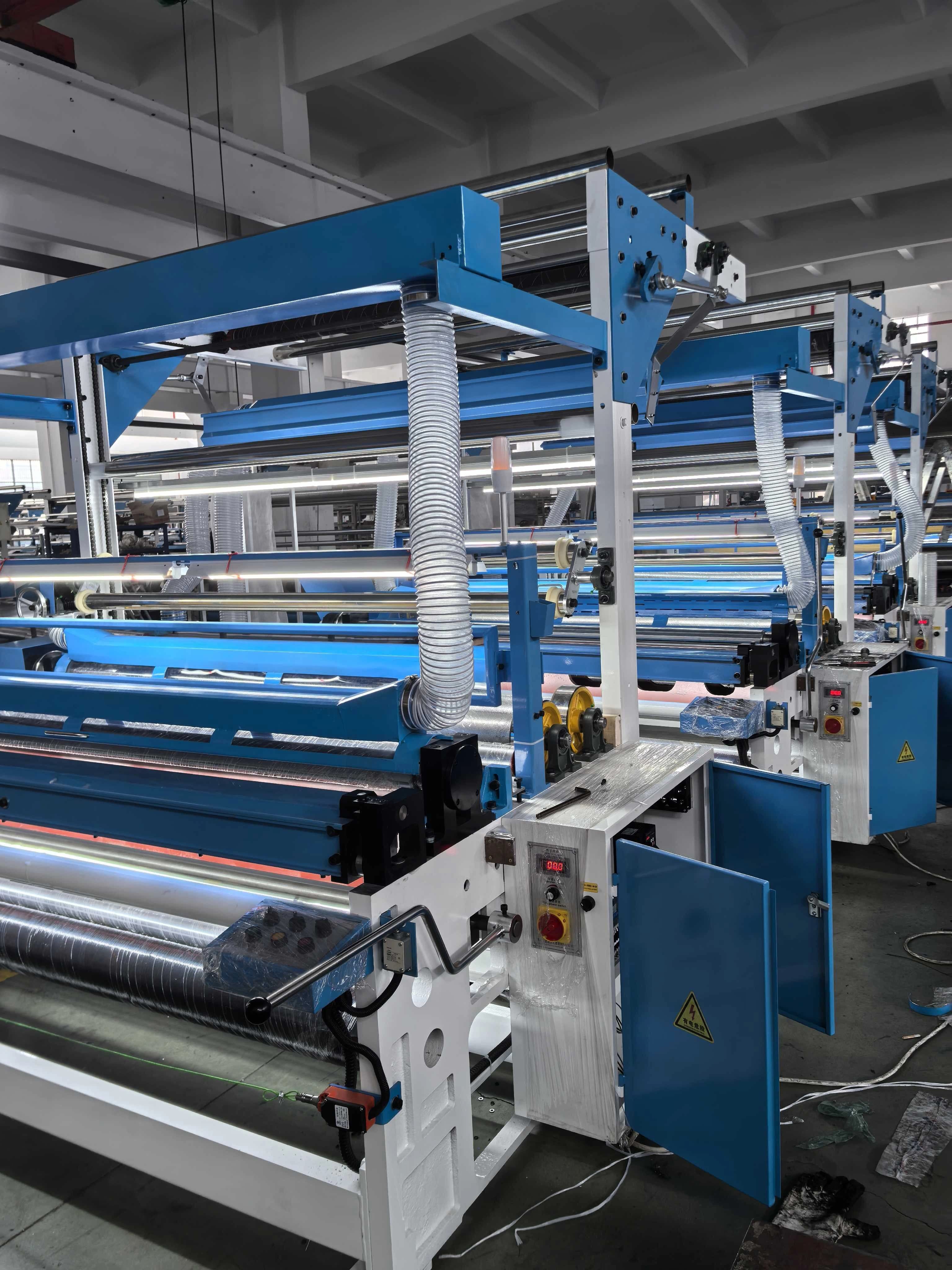
Precision and Accuracy in Corduroy Cutting Machine Performance
The Role of Laser-Guided Systems in Enhancing Precision and Accuracy in Fabric Cutting
The introduction of laser guided cutting systems has really changed what we expect from accuracy in corduroy cutting machines, reaching almost microscopic levels of precision. Traditional cutting blades often cause problems with fabric slipping during operation, but modern systems solve this issue by projecting clear laser lines directly onto the fabric layers. This lets workers check if everything lines up properly before making any cuts. According to research published in the Textile Engineering Journal last year, these laser systems cut down on size inconsistencies by around 92% compared to old school hand marking techniques. The difference becomes especially noticeable when working with corduroy fabrics that have those distinctive ridges running through them.
Minimizing Alignment Errors With Digital Pattern Recognition Technology
The latest corduroy cutting machines come equipped with these fancy digital cameras that can scan fabric surfaces at around 1200 dpi. What makes them special is their ability to spot those tiny changes in wale direction as they move through the corduroy rolls. When they detect something off, the machine just adjusts where it cuts so everything stays aligned properly along the grain. Most factories that switched to this new tech have seen way fewer problems with crooked cuts lately. One industry survey from last year mentioned somewhere around an 80-odd percent drop in alignment issues for companies using these systems regularly.
How AI-Driven Sensors Maintain Consistent Cut Quality Across Batches
Today's cutting machines come equipped with smart force sensors powered by artificial intelligence that check blade resistance at an impressive rate of 800 times every second. These systems really shine when dealing with thick corduroy fabrics where the pile can cause problems. The sensors actually tweak both speed and pressure on the fly to keep those distinctive wales looking straight and true. One major textile company ran some tests recently and found their machines maintained almost perfect cuts 99.2% of the time even after slicing through over 10,000 layers of fabric. What's remarkable is how these self-adjusting features hold tight within just 0.15mm of precision no matter if they're working on small batches or large production runs.
Multi-Layer Cutting Capability and Production Speed for Maximum Efficiency
Advantages of handling 50+ layers with automated textile cutting machines
Today's corduroy cutting machines are revolutionizing production efficiency with their ability to process multiple fabric layers at once. These machines can cut over 50 layers in each cycle while keeping the cut within about a quarter millimeter accuracy. The automated alignment systems have basically eliminated those pesky manual layering mistakes that used to happen all the time. According to industry data from last year, this automation has cut down on labor expenses by around 40% compared to older methods that handled just one layer at a time. When working with corduroy's signature ridges, these machines really shine because even small misalignments between layers can ruin the whole fabric quality. Manufacturers who switched to this technology report significant improvements in both speed and product consistency.
Measuring throughput: From 100m/h to over 300m/h in latest corduroy cutting machine models
Recent advancements in linear drive systems have pushed cutting speeds beyond 300 meters/hour, with servo-controlled blades adapting to corduroy's pile density variations in real time. Machines now achieve 98.7% material utilization through dynamic speed adjustments, maintaining precision whether cutting 5mm fine wales or 10mm elephant cords.
Balancing high-speed operation with cut quality and blade stability
High-frequency vibration dampeners and thermal-stabilized blades prevent edge fraying at peak speeds. Third-party testing shows modern systems maintain <0.35mm dimensional variance across 72-hour continuous operations—a 60% improvement over previous-generation models.
Real-world application: Boosting apparel manufacturing output by 60%
A denimwear producer using multi-layer corduroy cutting machines reduced order fulfillment times from 14 to 5.5 days while cutting waste by 22%, as documented in the 2024 Apparel Production Benchmark Survey. This demonstrates how speed and precision compound to create competitive advantages in time-sensitive fashion markets.
Smart Fabric Utilization Through Nesting Algorithms and CAD Integration
How intelligent layout optimization reduces fabric wastage by up to 30%
Today's corduroy cutting equipment comes equipped with smart nesting software powered by artificial intelligence. These programs look at how wide the fabric is, what kind of patterns need cutting, and where the grain runs so they can cut out shapes with minimal leftover scraps. Factory tests show these automated systems can actually save around 30% on fabric costs when compared to old fashioned hand laid patterns. The way these algorithms work makes a big difference too. They tend to start with the biggest pieces first then fit all the little bits around them. This matters a lot for corduroy because of those distinctive ribs running through it. Getting the cuts right along those ridges stops the edges from coming apart later on during sewing or finishing processes.
Integration with CAD software for dynamic pattern arrangement in corduroy cutting
When working with standard CAD software, manufacturers can make pattern changes on the fly without stopping their production line. The system takes those design files and turns them directly into cutting commands while considering how much corduroy fabric stretches during processing something most traditional methods just don't account for properly. According to several factory managers we spoke with, setup time drops by around 22 percent when they link their computers to these cutting systems. Operators get to see exactly where everything will be placed on the material sheet before any actual cutting happens, which cuts down on wasted fabric and mistakes.
Controversy Analysis: Over-reliance on automation vs. skilled manual nesting
Automated nesting cuts down on fabric waste somewhere around 27 to 30 percent according to industry reports, but many experienced artisans still prefer their hands-on approach when working with corduroy for high end fashion pieces. About 38% of those surveyed believe traditional methods maintain the fabric's character better than machines ever could. On the flip side though, going fully manual comes with problems too. Factories report roughly 15% more mistakes happen during mass production runs, which means plenty of wasted material from having to cut things again. That's why smart manufacturers are mixing it up these days. They let computers take care of the basic pattern layouts where precision matters most, but keep human experts involved for special orders and complicated designs that need someone who really understands how different fabrics behave under pressure.
Versatility and Automation in Modern Corduroy Cutting Machines
Contemporary corduroy cutting machines now integrate adaptive pressure controls (±0.2 psi resolution) and blade oscillation adjustments (20–200 Hz) to handle velvet, denim, and knit fabrics without compromising structural integrity. Operators can program 30+ material profiles, reducing setup times by 40% compared to traditional models according to 2023 TextileTech benchmarks.
Quick-Change Tooling Systems That Support Versatility in Handling Different Fabrics
Modular cutting heads with magnetic coupling systems achieve tool swaps in under 90 seconds, enabling same-day shifts between heavy corduroy (600–800 gsm) and delicate voile (100–150 gsm). This flexibility supports manufacturers producing 5–8 fabric types daily while maintaining less than 1% defect rates.
Rise of IoT-Enabled Monitoring and AI-Powered Predictive Maintenance
Embedded sensors track blade sharpness (edge wear ±3µm accuracy) and motor load variations, feeding data to cloud analytics platforms. A 2023 Fabrication Efficiency Report found these systems reduce unplanned downtime by 67% through AI-driven part replacement alerts before failures occur.
Market Trends in Automation and Smart Technology Integration (2023–2030)
| Trend | 2023 Adoption | 2030 Projection | Key Driver |
|---|---|---|---|
| AI pattern recognition | 28% | 82% | Demand for 0-waste production |
| 5G-enabled diagnostics | 15% | 68% | Remote maintenance needs |
| Multi-brand CAD integration | 42% | 94% | Hybrid textile manufacturing |
Industry analysis forecasts a 190% surge in smart corduroy cutting machine deployments by 2030, driven by automation-driven ROI improvements yielding 18–24 month payback periods in high-mix operations.
Horizontal vs. Vertical Corduroy Cutting Machines: Selecting the Right Type
Performance differences in corduroy cutting machine types (horizontal and vertical)
The horizontal corduroy cutters are great for mass production because they have those side mounted spindles which let them slice right through thick fabric piles sometimes over fifty layers deep. Then there's the vertical ones that focus on getting things just right with their downward cutting motion achieving about half a millimeter accuracy when dealing with complicated patterns according to what some folks in the textile industry have been saying lately. Looking at numbers from the field shows these horizontal machines can handle around 35 percent more fabric per hour compared to their counterparts. But don't discount the vertical systems either since they manage to cut down on pattern mistakes by roughly two thirds when working on intricate corduroy designs.
Space efficiency and operator accessibility considerations
Vertical corduroy cutting machines take up about 40 percent less room on the factory floor compared to their horizontal counterparts. The average footprint is around 6 square meters versus 10 square meters needed for horizontal models, which makes these vertical units particularly good fit for smaller manufacturing spaces. What's more, the front opening design gives operators full access all around the machine, unlike horizontal systems where workers can only reach from one side. That said, some production layout research indicates that horizontal machines tend to work better alongside conveyor belts when setting up automated batch operations. Many manufacturers still prefer them for certain large scale production needs despite the extra space requirements.
Choosing the right machine based on facility layout and workflow needs
Big name corduroy producers making over 10,000 meters per day generally get better results from horizontal cutting machines equipped with auto loaders. Smaller shops that need to switch patterns frequently tend to work better with vertical setups. The numbers back this up too - factories where ceilings are less than four meters high see around a 22 percent boost in output when they go vertical, based on recent industry research from textile engineers in 2023. And what about places that handle different kinds of jobs? There's a new breed of modular hybrid systems coming onto the market these days. These can actually switch between horizontal and vertical configurations in just under two hours thanks to some clever pivot technology that's been patented.
FAQ
What are the benefits of using laser-guided systems in corduroy cutting machines?
Laser-guided systems enhance precision and accuracy by projecting clear laser lines onto fabric layers, reducing size inconsistencies by around 92% compared to traditional hand marking techniques.
How does digital pattern recognition technology minimize alignment errors?
Digital pattern recognition uses high-resolution cameras to scan fabric surfaces for changes in wale direction, adjusting the cutting process to ensure proper alignment along the grain.
What advantages do smart fabric utilization techniques offer?
Smart fabric utilization through intelligent nesting algorithms powered by AI reduces fabric wastage by up to 30% by optimizing layout to minimize leftover scraps.
How do horizontal and vertical cutting machines differ?
Horizontal cutting machines excel at mass production with side-mounted spindles, while vertical machines focus on accuracy and reduce space requirements, providing better performance for intricate designs.
Table of Contents
- Precision and Accuracy in Corduroy Cutting Machine Performance
-
Multi-Layer Cutting Capability and Production Speed for Maximum Efficiency
- Advantages of handling 50+ layers with automated textile cutting machines
- Measuring throughput: From 100m/h to over 300m/h in latest corduroy cutting machine models
- Balancing high-speed operation with cut quality and blade stability
- Real-world application: Boosting apparel manufacturing output by 60%
- Smart Fabric Utilization Through Nesting Algorithms and CAD Integration
- Horizontal vs. Vertical Corduroy Cutting Machines: Selecting the Right Type
- FAQ