 EN
EN


How do Textile Singeing Machines Work?
Singeing machines are meant to serve a specific purpose of surface treatments that remove loose fibers and other impurities that get stuck in the fabric after it was newly woven. This needs to be done after the weaving stage but before the dyeing/printing stage. This is done to get a clean and smooth surface that makes the next steps easier and better for the final product. The fabric looks better and has fewer chances of ruining the step after. The main goals are to improve the fabric's appearance, lessen fuzz, and absorb the dye/print more uniformly across the fabric, while also stabilizing the dimensions. This longer description is to show the importance of controlling the singeing machine. This way the fabric accomplishes the task in a straightforward way that gives it a higher quality before it goes on to its final purpose.
Element description for Function
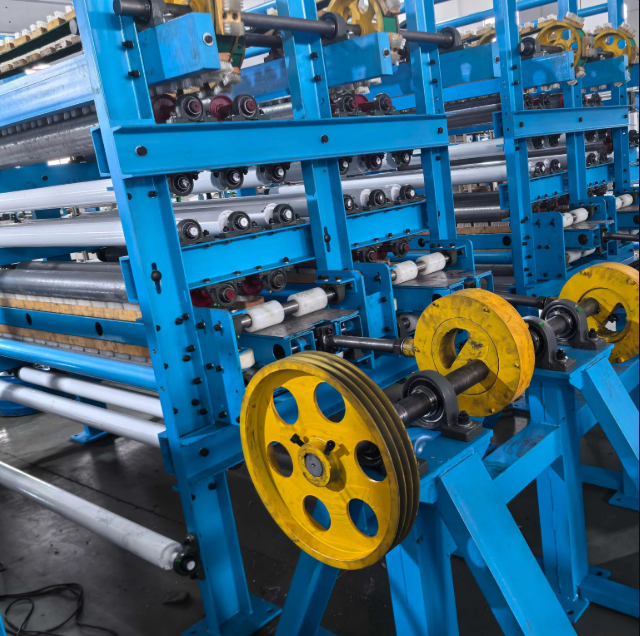
The supply system is the starting point of a singeing machine. It brings the fabric to first of the four. That's the supply system. It's brings fabric to all the other modules one by one. The fabric needs to be supplied to them one by one. As the singeing machine is burning the loose fibers from the woven fabric, it needs to ensure that it does not damage the fabric. To do this, the singeing machine needs to apply an appropriate amount of thermal energy...to fabric. The fabric also needs to be at the right temperature. So, the last module is a cooling module. It temp to an appropriate temperature while removing all combustion byproducts.
Operational Principle
Singeing is done in a repeatable and controllable sequence. The fabric is fed into a machine after passing through an inlet guide that flattens and aligns the fabric. The fabric is then processed in the heating zone. It is then exposed to a controlled temperature and time to break and remove loose surface fibers. The fabric is then processed in a cooling and cleaning zone to remove residual heat and residual particulate matter. The fabric then exits the machine at a constant tension, ready to be rolled or processed further. Each of the steps relies on a high degree of control on the mechanics and thermal process, and singe is affected if any of the process steps have insufficient control on speed, temperature or tension.
Electric Heating Advantage and Energy Saving Design
The modern singeing machine has adopted electric heating technology, because of the superior control and efficiency of the electric heating systems. Electric heat elements produce heat that is consistent and even. As a result, the operating temperature and energy consumption is lowered, and so is the potential for damage to the fibers. The insulating walls together with the controlled air system minimizes the loss of heat. The use of digital thermostats and real time monitoring systems allows for precise control of the energy on the heating elements to achieve the desired singe with the least amount of energy input. All of these features reduce operating costs while complying with modern sustainable manufacturing practices.
Impact on Quality and Compatibility of Further Processing
There are many positive results related to proper singeing and different quality indicators. A singed surface of a fabric becomes smoother and improves the penetration of dyes and thus the uniformity of colors. This causes a reduction in defects and therefore a reduction in reworking. The singeing also removes loose fibres which are the cause of pilling in the finished products in garments and home textiles. Maintenance of a uniform tension control mechanism avoids variations in the width of the fabric which preserves its mechanical properties during processing in operations of brushing, drying and inspecting. Fabrics that are processed through good singeing technology are able to compete in the international marketplace for quality and price. Mills that understand the basic principles can make the fine adjustments that lead to the maximum quality output.
Professional Singeing That Is Based on Proven Principles
Schneider Textilebuilds singeing machines based on principles and understanding of thermal treatments and fabric behavior. The electric heating models have the ability to control uniform temperature distribution, even tension and energy saving technologies to produce consistent results. With patented technologies, these machines are capable of high quality singeing of a broad variety of fabric substrates. The machines also have the ability to adapt to different line configurations and backed by responsive support. Schneider Textile has the capability to transform the fundamental principles of design into dependable technology and cost-saving solutions that finishing quality of textile producers around the world.