 EN
EN



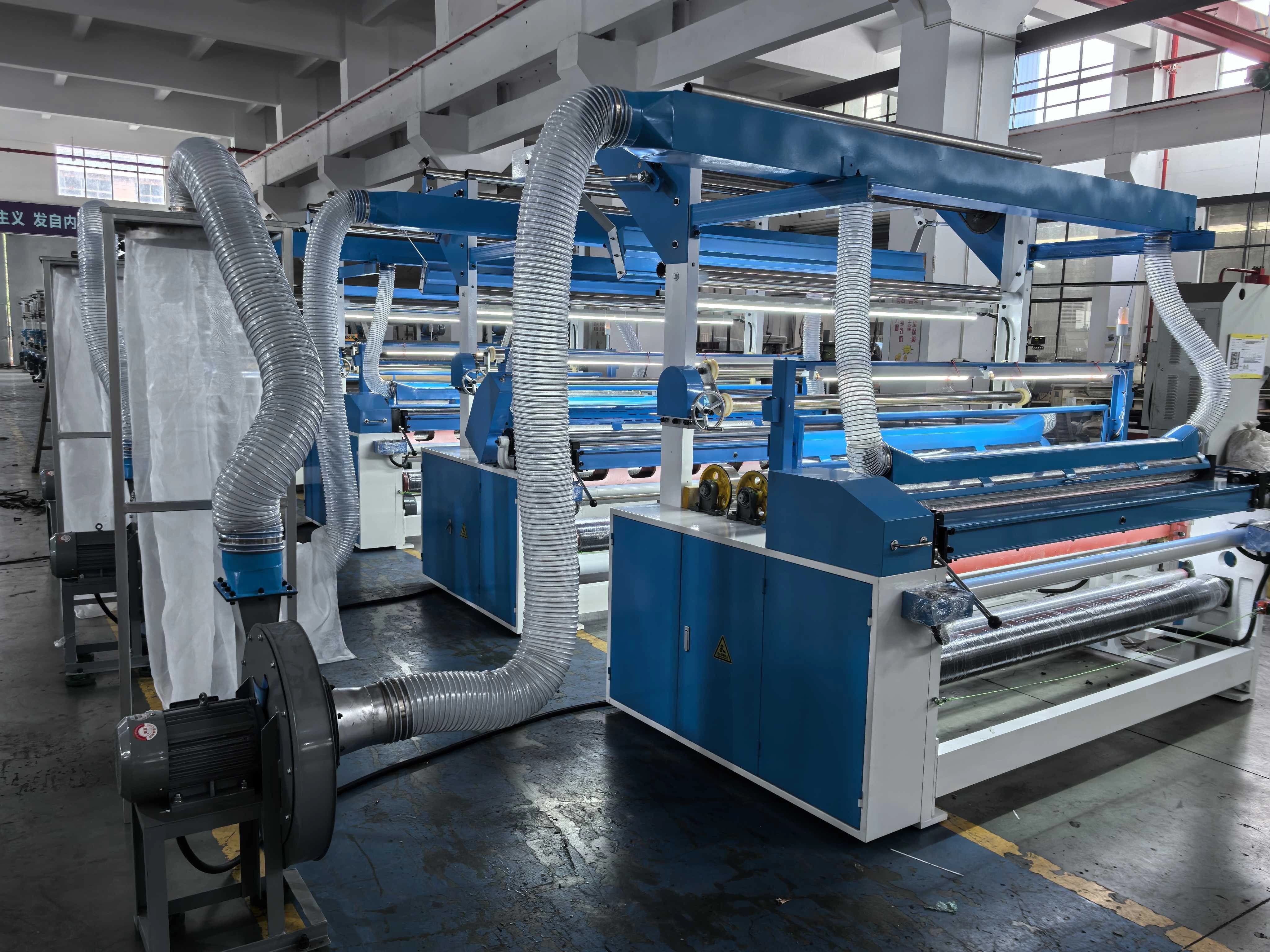
Cylinder Dryer Fundamentals: How Rotary Design Enables Reliable Mill-Scale Drying
Direct vs. Indirect Heat Transfer in Cylinder Dryers
There are basically two ways industrial cylinder dryers work when it comes to moving heat around. The direct approach puts hot gas right inside the spinning drum, which makes things dry fast. This works great for tough materials that don't mind high temps, think minerals and ores mostly. On the flip side, indirect systems heat up the outside of the drum itself so nothing gets touched by those hot combustion gases. These are what companies need when working with stuff that might break down under heat, like gypsum or hydrated lime for instance. Whether direct or indirect, these drums spin around with special lifters inside that keep everything mixed up properly. As new layers get exposed to heat, they dry out evenly without clumping together. According to some research papers published in bulk solids processing journals, this constant movement actually boosts thermal efficiency somewhere around 20% better than just sitting still in a dryer.
Critical Design Parameters: Drum Geometry, Slope, Rotation Speed, and Residence Time Control
Four interdependent parameters define cylinder dryer performance:
- Drum geometry determines volumetric capacity and influences cascade pattern intensity
- A controlled slope (typically 2°–5°) ensures steady material progression through the drum
- Rotation speed (4–8 RPM) governs particle agitation and heat exposure frequency
- Together, slope and speed enable precise tuning of residence time, which directly affects final moisture content
Getting these factors right helps prevent problems like incomplete drying or materials breaking down from too much heat. Take drum length as an example. When manufacturers stretch it out around 15%, the material stays inside longer - roughly 25% extra time actually - while keeping the same spinning speed. This makes all the difference when dealing with wetter materials that need more time to dry properly. On the flip side, making the slope steeper gets things moving faster through the system, which works well for those loose, flowing granules that don't stick together. Industry data shows that setting everything up correctly can cut down on energy usage by somewhere between 20 and 30 percent across operations in cement production and mineral processing plants.
Mill-Specific Selection Criteria for Optimal Cylinder Dryer Performance
Material Compatibility: Moisture Profile, Particle Size Distribution, Thermal Sensitivity, and Abrasiveness
The characteristics of materials play a big role when choosing dryers for industrial applications. When dealing with materials that start off very wet, operators need to plan for extended processing time and manage exhaust properly so there's no problem with condensation forming inside or material getting carried away with the air stream. What happens with particle sizes matters too. Materials with lots of fine particles under 50 microns tend to get caught in the airflow more easily, which means facilities might need additional equipment like cyclone separators or fabric filter systems to handle this issue. Some substances are particularly sensitive to heat changes. Take gypsum for instance it starts losing water at around 120 degrees Celsius, so these kinds of materials demand strict temperature regulation during processing and usually work better with indirect heating methods instead of direct contact. Hard minerals that score over 5 on the Mohs scale really take their toll on equipment components. These tough materials can wear down parts at rates up to 40% faster than normal, making it necessary to install durable alloy protective linings and keep track of wear patterns regularly. And let's not forget about feedstock stability either. If incoming material varies more than plus or minus 10% from standard levels, this inconsistency can actually damage equipment through sudden temperature shifts and cut down overall drying effectiveness by roughly 15%.
Process Integration Requirements: Throughput Consistency, Feed/Discharge Interface, and Continuous Operation Demands
Getting cylinder dryers properly matched to mill throughput is critical for efficiency. When they're underloaded, we just waste heat energy. But overload them and there's trouble too moisture stays in the material and causes problems later on in grinding processes. Keeping those drums spinning at the right speed relative to what comes in from the conveyor belt helps maintain feed consistency around plus or minus 5 percent most of the time. The discharge chutes need pretty steep angles, better than 45 degrees really, and lined with something that won't wear down easily so nothing gets stuck or bridges over. For mills running all day every day, having backup systems makes absolute sense. That means putting in dual seals, installing thermal monitoring that works in real time, and placing automatic moisture sensors right where material exits. These setups let operators adjust quickly when feed changes happen, cutting down on bad product by about 30 percent and keeping things flowing smoothly into either kilns or other milling equipment.
Cylinder Dryer vs. Alternatives: When Rotary Design Delivers Unmatched Value in Mineral and Cement Mills
In tough mineral and cement processing situations, rotary cylinder dryers beat out flash dryers and fluidized beds hands down. The robust rotating drum design can take on really harsh materials like iron ore concentrates and cement clinker that would wear out smaller systems fast. Maintenance bills drop around 30% over time in mills running these units regularly. What sets them apart is how they keep production steady even when moisture levels swing by as much as 15%. That stability matters big time for continuous mineral processing operations because uneven output messes with grinding efficiency downstream and drives up energy consumption. Flash dryers work great for lightweight powders but struggle badly with anything coarser than 5mm particles. That makes them useless for integrated mills dealing with raw limestone or broken ores most of the time. Another plus? The way materials cascade gently through the dryer reduces thermal shock effects. This helps preserve the crystal structure in delicate stuff like gypsum something that real world testing in industrial settings has repeatedly shown.
| Drying Method | Moisture Handling | Abrasion Resistance | Production Scale |
|---|---|---|---|
| Cylinder Dryer | High variability | Exceptional | Mill-scale (20–500 t/h) |
| Flash Dryer | Low variability | Limited | Small batches |
| Fluidized Bed | Moderate | Moderate | Medium-scale |
Rotary cylinder dryers can actually recover heat from kiln exhausts and work pretty well with what thermal systems are already in place at most facilities. The big plus here is that these dryers cut down on overall energy needs for drying processes by somewhere between 15 to 40 percent compared to regular standalone systems. Plus they help factories comply with those ever-changing environmental regulations. When dealing with large volumes of materials like limestone, iron ore, or even slag, rotary dryers offer something special. They combine good heat efficiency with plenty of space inside and tend to keep running without issues. This makes them stand out as having the cheapest operating costs per ton when looking across all available industrial drying options today.
FAQ
What is the difference between direct and indirect heat transfer in cylinder dryers?
Direct heat transfer involves sending hot gas into the drum for rapid drying, ideal for materials like minerals. Indirect transfer heats the drum's exterior, ideal for heat-sensitive materials like gypsum.
How do material properties affect the choice of a cylinder dryer?
Material moisture, particle size, thermal sensitivity, and abrasiveness influence dryer selection. For instance, sensitive materials like gypsum require controlled temperatures and special dryer configurations.
Why are cylinder dryers preferred in mineral and cement mills?
Rotary cylinder dryers handle harsh materials efficiently, reduce maintenance costs, and maintain stable production even with fluctuating moisture levels, making them ideal for these industries.