 EN
EN



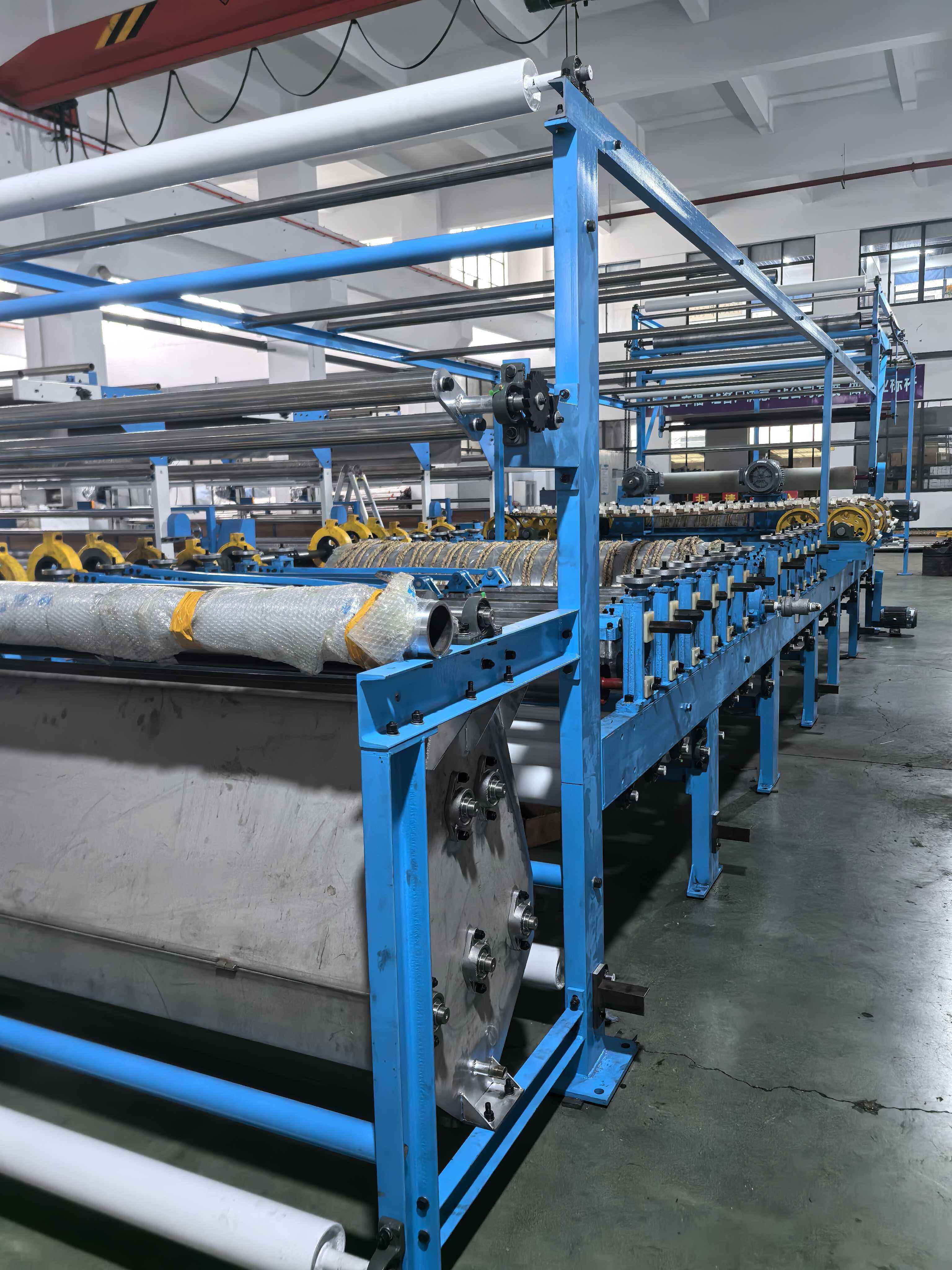
Gas Singeing Working Principle: Precision Flame-Fabric Interaction
Thermal Precision in Flame-Based Singeing Process Parameters
Gas singeing machines give fabrics that clean finish we all want thanks to their careful control over heat. The best ones can manage temperatures between 1100 and 1300 degrees Celsius, move fabric at speeds from 80 to 140 meters per minute, and expose materials for anywhere between a tenth of a second to 1.5 seconds. This combination works wonders for getting rid of those pesky little fibers sticking out while keeping the main fabric intact. When operators get these settings just right, they avoid problems down the line. Some studies indicate that when factories use proper flame control instead of older mechanical methods, they see around 40% fewer issues after dyeing processes. Special water cooled rollers help keep everything stable as fabrics zip through at high speeds, so surfaces stay consistent without weakening the fabric's strength. Finding that sweet spot really matters though. Too much heat burns the fabric or creates holes, but not enough leaves behind annoying fuzz that nobody wants on their clothes.
Flame-Fabric Interaction Dynamics: Clean Surface Without Molten Beads or Holes
Gas singeing works by using turbulent flames to get rid of those pesky loose fibers on fabric surfaces without creating any molten beads. When fabric moves across two burners at right angles, the flames burn away the sticking-out filaments before the heat can reach deeper into the material itself. This means only the surface gets burned off while keeping the polymer base intact. According to what many manufacturers have found through testing, around 98 percent of fabrics end up with clean surfaces if the burners stay about 8 to 15 millimeters away from the fabric during processing. Because it doesn't involve direct contact like plate singeing does, there's no risk of pinhole formation which is particularly important for knit fabrics and synthetic blends that tend to react badly to traditional methods. After singeing, quenching systems kick in right away to stop all the heating action, making sure everything stays smooth and free from any burnt bits left behind. Good ventilation systems then sweep away whatever comes out of the burning process, which helps ensure fabrics pass those tough ISO 105-X12 tests for pilling resistance standards.
Why Gas Singeing Outperforms Plate, Roller, and Bio-Polishing Methods
Uniformity, Non-Contact Operation, and Compatibility with Blends & Sensitive Fibers
Gas singeing gives textiles that smooth finish because it applies heat without touching the fabric directly. Traditional methods using plates or rollers can cause problems though they often lead to inconsistent results, fabric snags, or even damage from too much pressure. For fabrics that are tricky to work with, especially those mixed synthetics and delicate stuff like silk, gas singeing works wonders. It stops those annoying little pills from forming on polyester cotton blends and keeps stretchy materials intact during processing. The numbers back this up too. According to last year's Textile Finishing Journal, top textile producers saw their defect rates drop dramatically when switching to gas singeing technology. While older roller systems only managed around 85% perfection rate, modern gas systems hit nearly 98% flawless output across different fabric types.
Gas Singeing vs. Bio-Polishing for Knits: Luster, Durability, and Post-Dye Defect Reduction
Bio polishing works by using cellulase enzymes to break down surface fibers, giving fabrics temporary softness. Gas singeing takes a different approach altogether. It actually melts and seals those fiber ends permanently, which makes the fabric look shinier and stops the annoying fuzz from coming back after multiple washes something luxury knitwear manufacturers really care about. According to some research published last year in Coloration Technology, this process can boost dye absorption rates by around 27%, so colors come out more evenly without those pesky patches we sometimes see. And here's another benefit nobody talks about much but matters a lot: gas singeing doesn't cause the kind of chemical breakdown that enzymes do. This means lightweight knits stay stronger throughout the dyeing process and won't develop those tiny holes that ruin the appearance of expensive garments.
| Parameter | Gas Singeing | Bio-Polishing |
|---|---|---|
| Surface Durability | Permanent fiber sealing | Softness degrades after 5 washes |
| Dyeing Defects | 12% fewer dyeing inconsistencies | Enzyme residue risks uneven dyeing |
| Fabric Integrity | Zero mechanical tension | Fiber hydrolysis weakens knits |
Optimizing Operational Parameters for Consistent Textile Singeing Machine Performance
Fabric Speed, Flame Intensity, Burner-to-Fabric Distance, and Singeing Position
There are four main factors that affect how well the singeing process works: how fast the fabric moves through the machine, how strong the flame is, how far the burner sits from the fabric, and which side gets treated. When it comes to fabric speed, slower movement between 40 and 100 meters per minute gives better results for removing fibers completely. But going too slow means we have to turn down the flame intensity so we don't end up burning the fabric instead. The actual flame strength depends on gas pressure settings. Lighter fabrics generally need about 20 to 30 percent less intense flames compared to heavy denim materials because otherwise they might develop holes. Most machines keep the burner about 6 to 10 millimeters away from the fabric surface. Getting too close can damage the material thermally, while keeping it further away often leaves some fibers untouched. For the singeing position itself, manufacturers decide whether to treat the front side, back side, or both depending on what kind of fibers make up the fabric. Blends usually need treatment on both sides to get rid of those pesky synthetic fibers sticking out without actually melting them. Getting all these settings right together helps avoid problems like rough spots on the fabric surface, beads of melted material forming, or weakening the overall strength of the textile product. At the same time, proper adjustment maintains good production rates without sacrificing quality.
Key Design Features That Define High-Performance Gas Singeing Machines
Water-Cooled Rollers, Twin Burners, Quenching Systems, and Exhaust Blowers
What sets apart top quality gas singeing machines are their four key engineering innovations. The water cooled rollers keep fabric surfaces under 50 degrees Celsius even when exposed to flames, which protects the tensile strength of sensitive materials such as voile and gauze. These machines come equipped with twin burners that allow separate control over front and back sides of the fabric. This is really important for mixed fabrics that need different treatments on each side. Right after the singeing process happens, special quenching systems spray a fine mist to stop any remaining combustion. This can drop temperatures by around 200 degrees per second and stops fibers from becoming brittle. At the same time, powerful exhaust blowers filter out 99.7% of particles while moving air at 30 cubic meters per second. This setup prevents lint from settling back onto the fabric, something that would mess up dye consistency. Manufacturers report about a 19% reduction in defects after switching to these advanced systems compared to older models.
FAQ
What is gas singeing used for?
Gas singeing is used to remove loose fibers from fabric surfaces to achieve a cleaner finish and smoother surface, preventing issues like lint or fuzz during dyeing processes.
How does gas singeing differ from traditional singeing methods?
Gas singeing differs from traditional methods by using flame without direct contact, reducing fabric damage risks, and achieving more consistent results compared to plates or roller-based systems.
What are the benefits of gas singeing over bio-polishing?
Gas singeing offers benefits over bio-polishing, including permanent sealing of fiber ends, enhancing luster and durability without the enzyme-related chemical breakdown seen in bio-polishing.
Why is burner-to-fabric distance important in gas singeing?
The burner-to-fabric distance is crucial for ensuring effective fiber removal without damaging the fabric thermally, optimizing the singeing process results.