EN
EN



Shanghai Exhibition
Discover key takeaways from Shanghai Exhibition 2024, including emerging B2B trends, innovative technologies, and networking opportunities. Explore industry advancements now.
View More
 ×
×
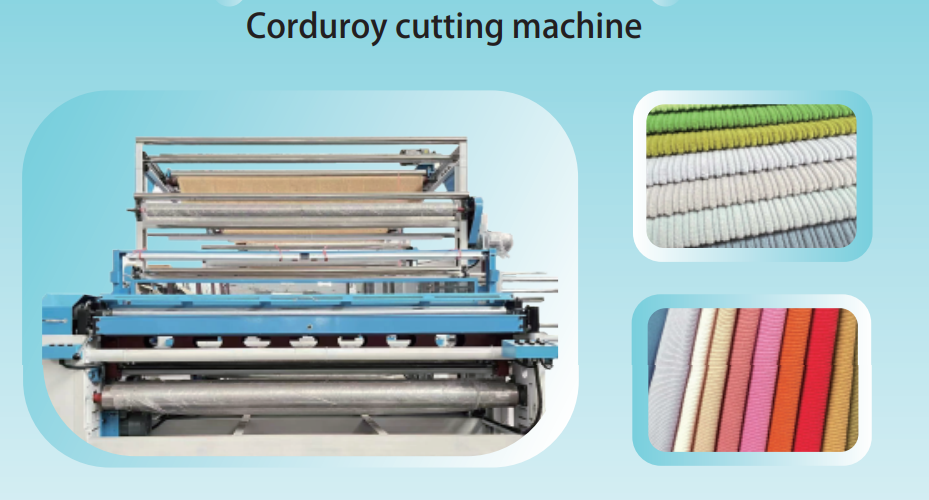
Modern textile finishing technologies are key to unlocking fabrics' specialized properties, durability, and aesthetics, with applications spanning from everyday wear to high-tech industries. Through advanced finishing processes, basic fabrics are elevated into high-value materials tailored to specific market demands.
In apparel and fashion, finishing technologies directly enhance garment wearability and commercial value. Wrinkle-resistant finishes keep business and travel attire crisp, while moisture-wicking and quick-dry treatments are essential for activewear and casual clothing. Simultaneously, processes like softness finishing, anti-pilling, and enhanced colorfastness improve comfort and durability, extending product lifecycles and meeting consumer demands for premium garments.
For home décor and hospitality industries, finishing technology seamlessly balances aesthetics and functionality. Furniture fabrics like sofas and chairs gain durability through stain-resistant and abrasion-resistant finishes; bedding employs wrinkle-free technology for aesthetic convenience; while curtains benefit from light-blocking, UV-resistant treatments and flame-retardant finishes meeting commercial safety standards—collectively creating comfortable yet resilient environments for homes and hotels.
More forward-thinking applications emerge in industrial textiles, where finishing technologies serve as “industrial enablers.” From antimicrobial and antiviral protective clothing in healthcare to anti-aging and flame-retardant fabrics for automotive interiors; from durable waterproof coatings for outdoor gear to flame-retardant, high-temperature-resistant materials for protective equipment—textile finishing is the core process enabling these extreme performance requirements while ensuring safety and functionality.
Looking ahead, sustainable and innovative textiles represent the industry's trajectory. Biotechnology-based eco-friendly finishing agents, low-water-consumption and low-carbon finishing processes, and biodegradable finishing solutions designed to promote the circular economy are propelling the entire industry toward a greener, more sustainable future. In summary, whether enhancing the quality of everyday garments or providing critical material solutions for high-tech industries, professional textile finishing holds immense potential and remains an indispensable element in shaping product competitiveness.

03
Sep
03
Sep
02
Nov
02
Nov
“The new equipment is easy to operate, and employees can quickly get the hang of it.”

“Energy-saving effects are significant, with reduced water and electricity consumption.”