EN
EN


Shanghai Exhibition
Discover key takeaways from Shanghai Exhibition 2024, including emerging B2B trends, innovative technologies, and networking opportunities. Explore industry advancements now.
View More
 ×
×
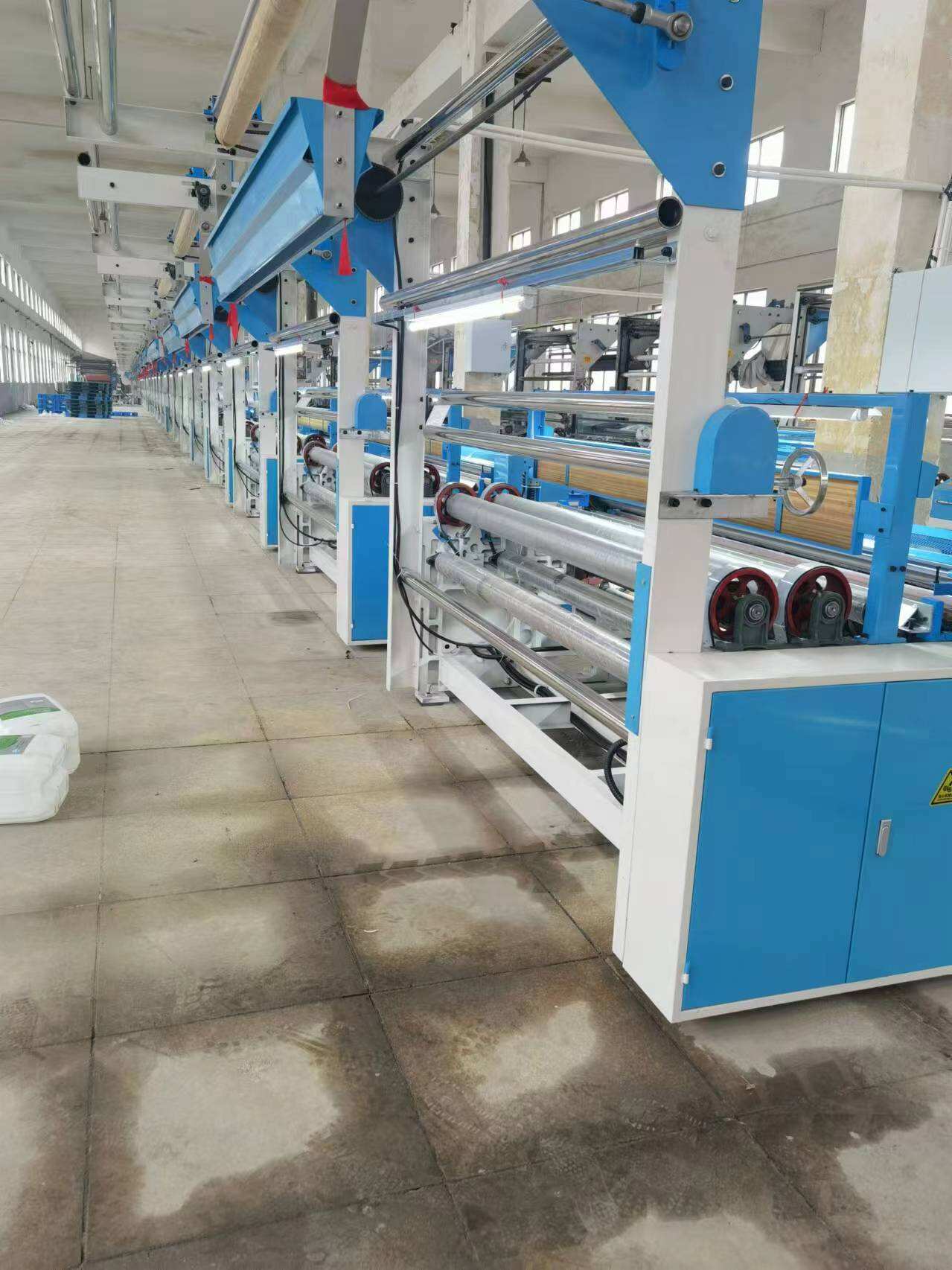
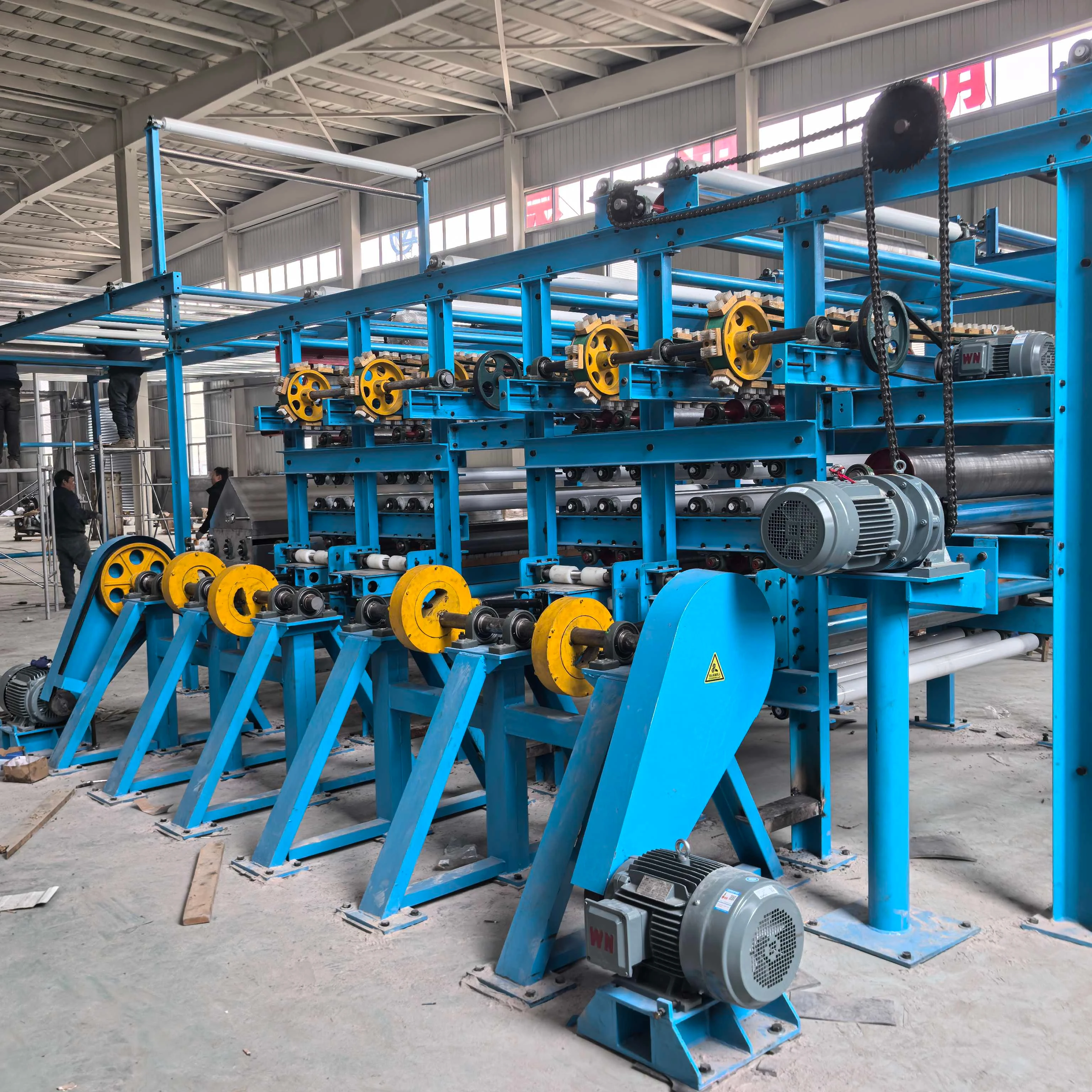
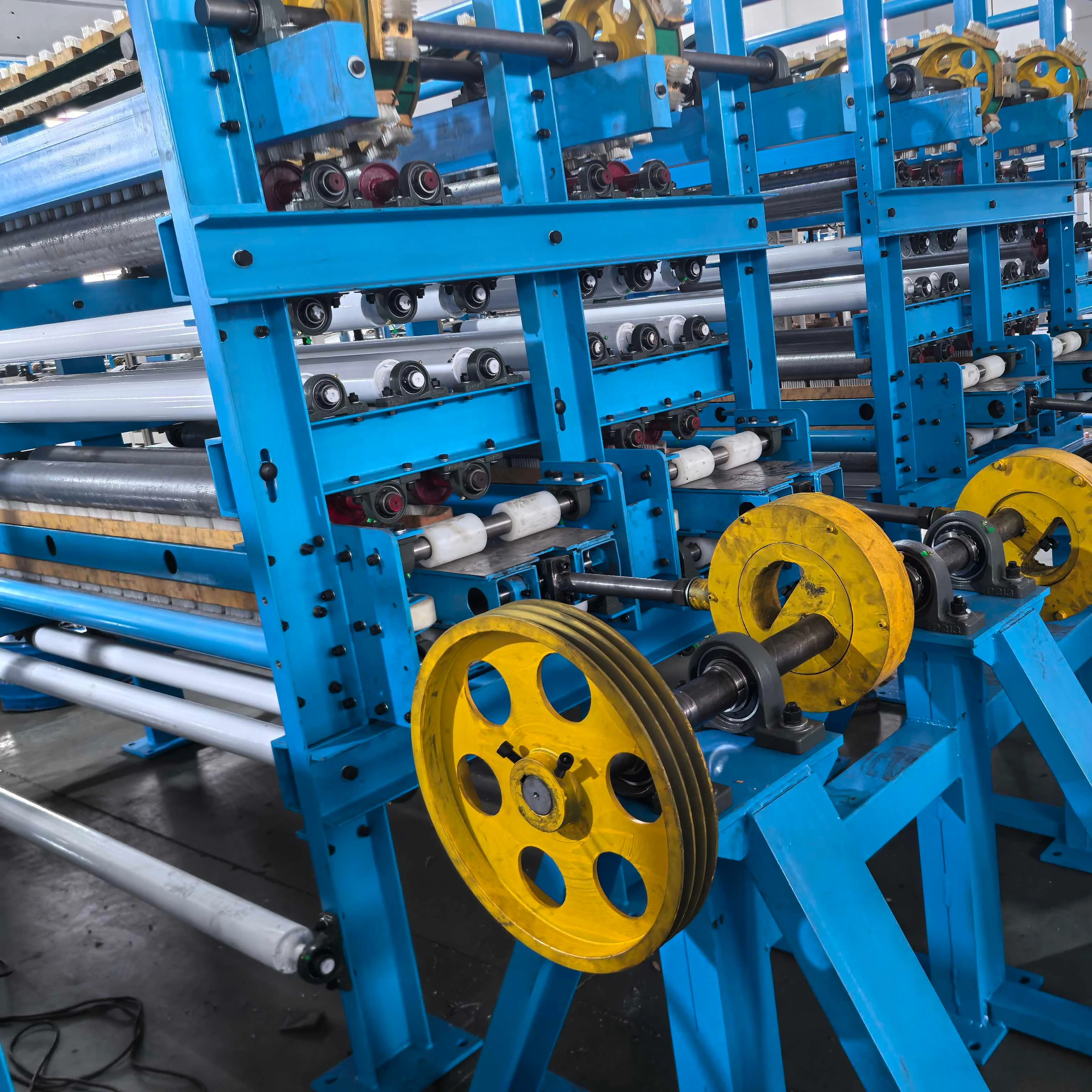
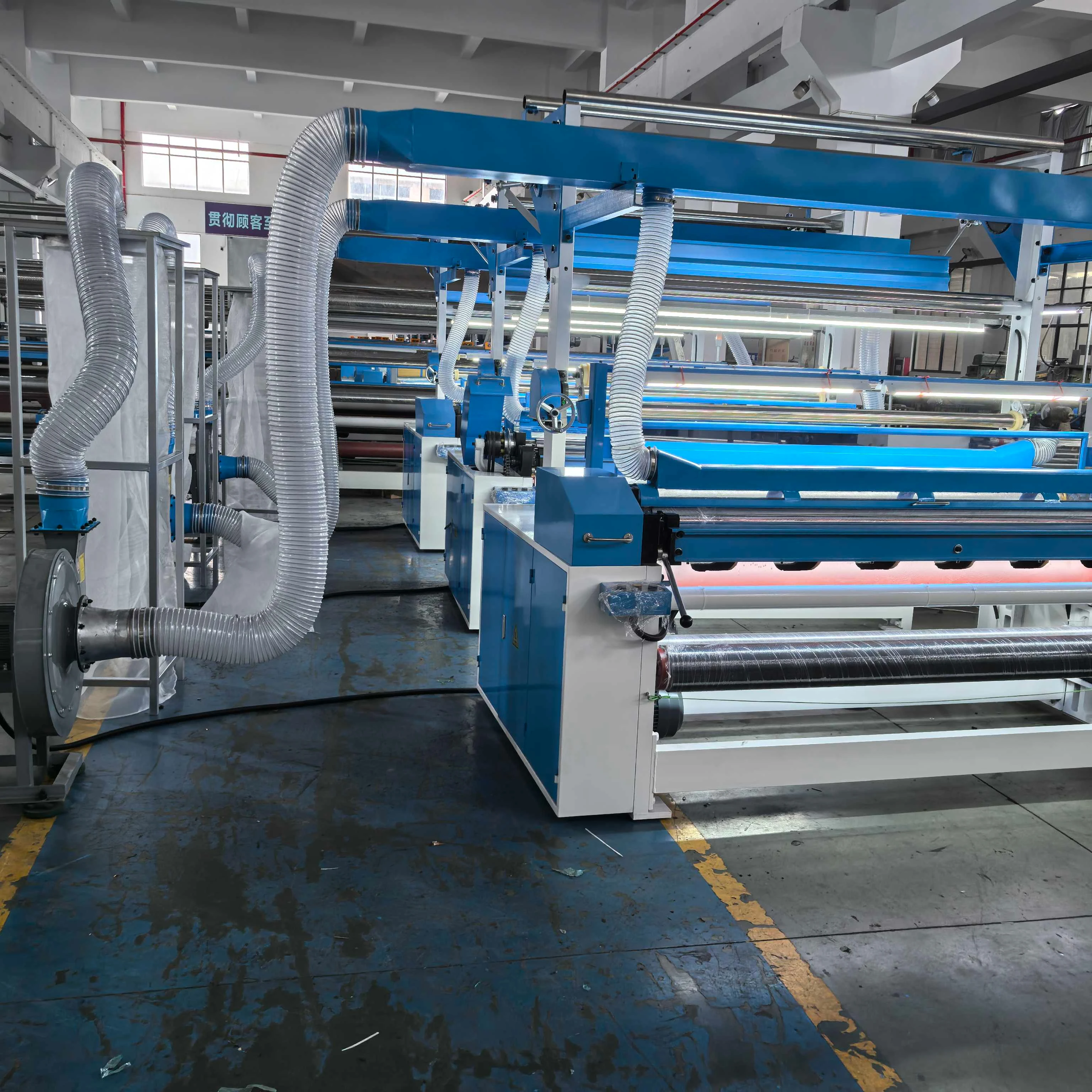
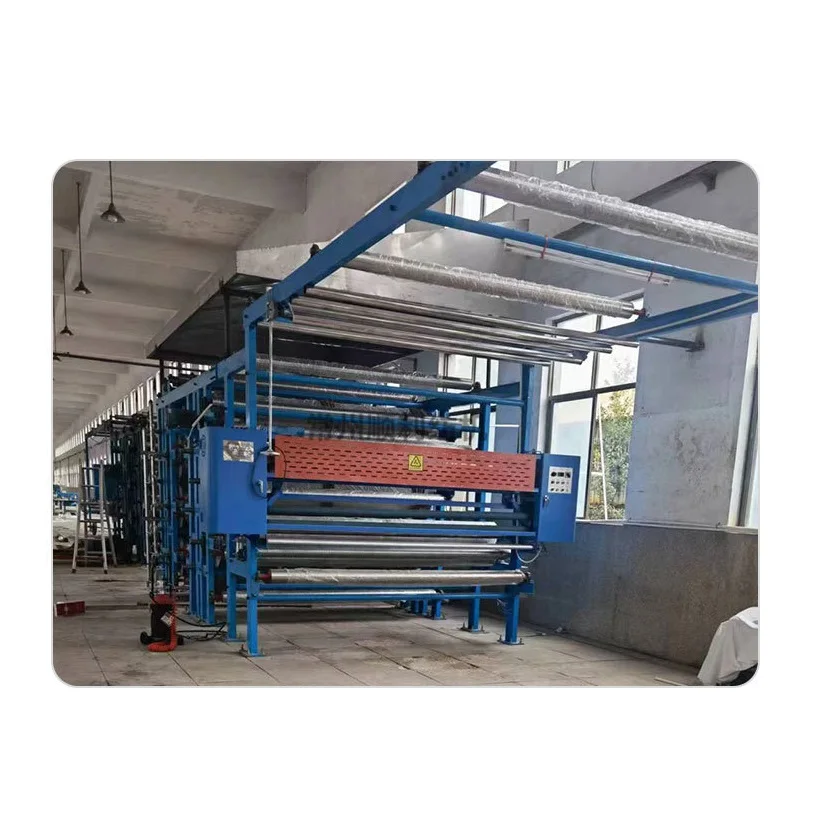
Textile finishing technologies are far more than just the final production step; they are the key to infusing basic fabrics with soul and intelligence. As the core of modern material innovation, these technologies hold vast application prospects, permeating nearly every industry that relies on textiles. In apparel and fashion, finishing technologies enable powerful functionalities like wrinkle resistance, water repellency, and moisture-wicking, while also creating unique textures such as peach skin or distressed visual effects. Eco-friendly processes like bio-enzyme treatments further drive sustainable fashion.
More significantly, these technologies are revolutionizing industrial textiles. In healthcare, antimicrobial and antiviral finishes provide safety barriers for medical staff and patients. In protective applications, flame-retardant treatments safeguard firefighters and industrial workers. For automotive interiors, aerospace components, and geotextiles in construction, these techniques deliver enduring weather resistance, flame retardancy, and functional properties.
With technological advancement, post-treatment techniques have become the cornerstone of smart wearables and electronic textiles. Through conductive coatings and specialized finishes, fabrics can integrate biosensors and microelectronic components, making smart clothing capable of monitoring heart rates and regulating temperature a reality. Looking ahead, innovative approaches like nanotechnology and plasma treatment are advancing toward ultra-protective capabilities, personalized customization, and fully waterless green processing.
These developments pave the way for a circular economy in textiles. From elevating everyday comfort to providing extreme life-saving protection, and bridging virtual and real worlds through smart wearables, textile finishing technology holds the key to unlocking these boundless possibilities.

03
Sep
03
Sep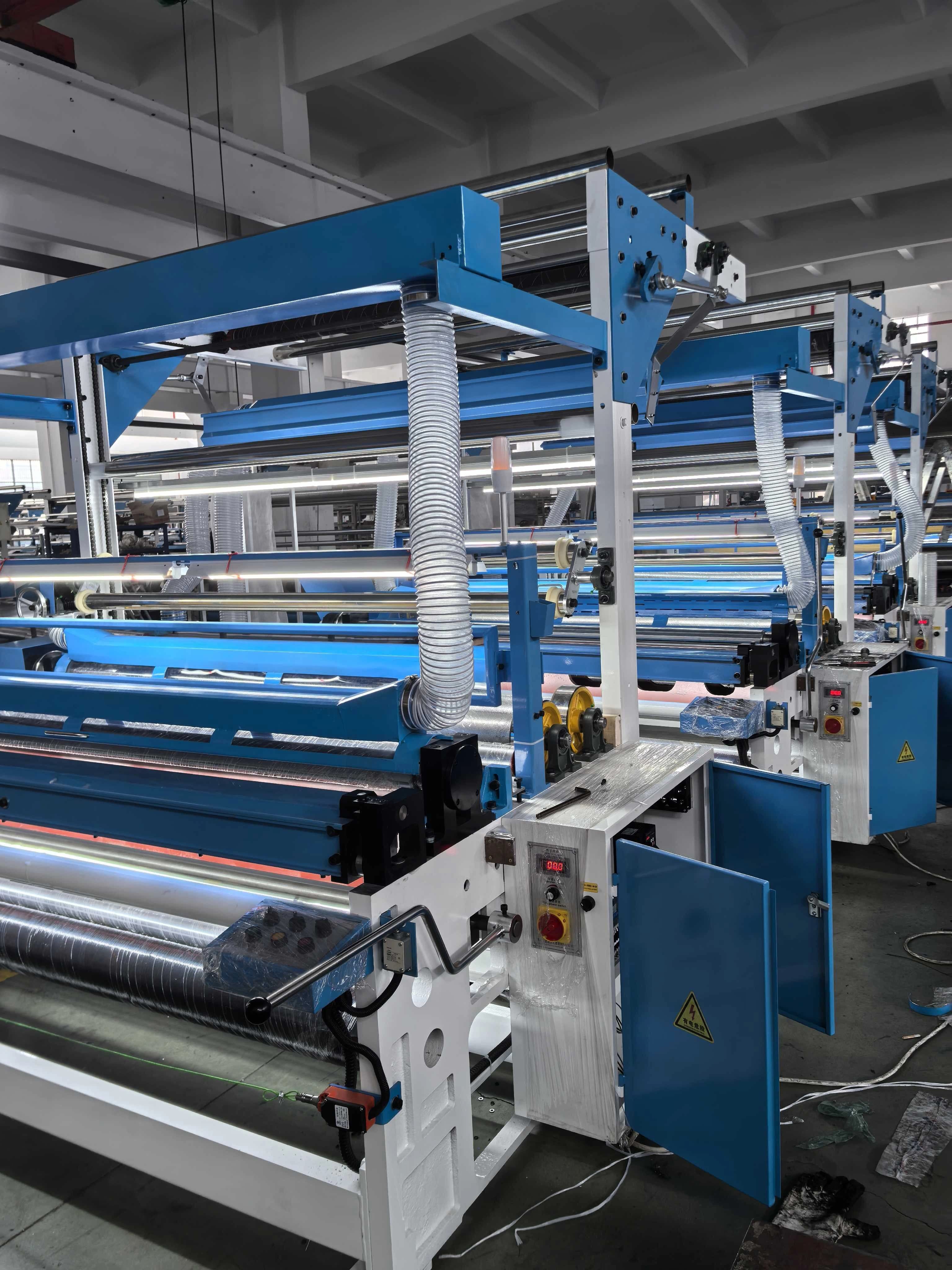
02
Nov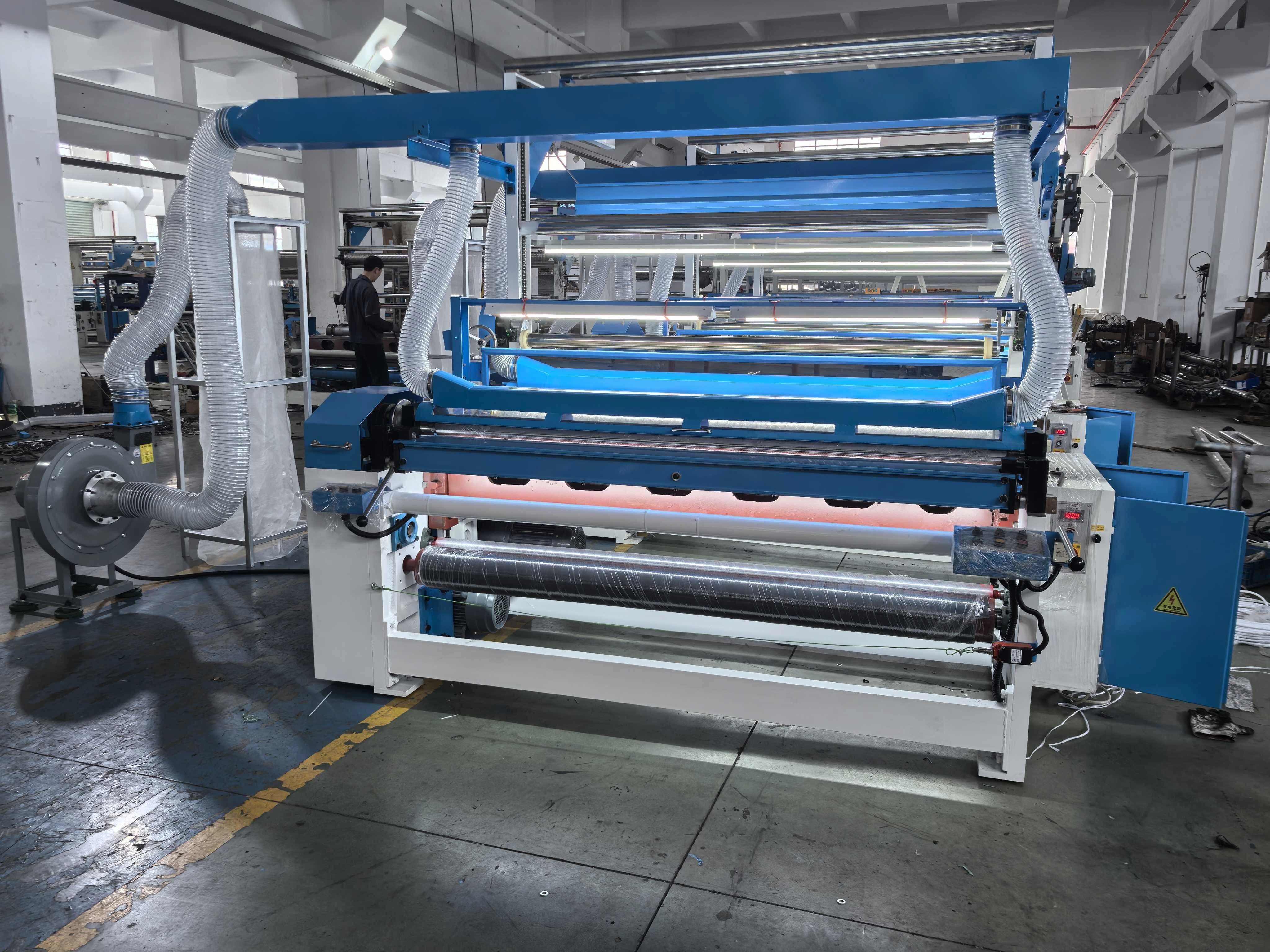
02
Nov
“The new equipment is easy to operate, and employees can quickly get the hang of it.”

“Energy-saving effects are significant, with reduced water and electricity consumption.”