EN
EN


Here is some usual questions about our product
Confused about our product's features and benefits? Get clear, concise answers to the most common questions from industry experts. Explore now.
View More
 ×
×
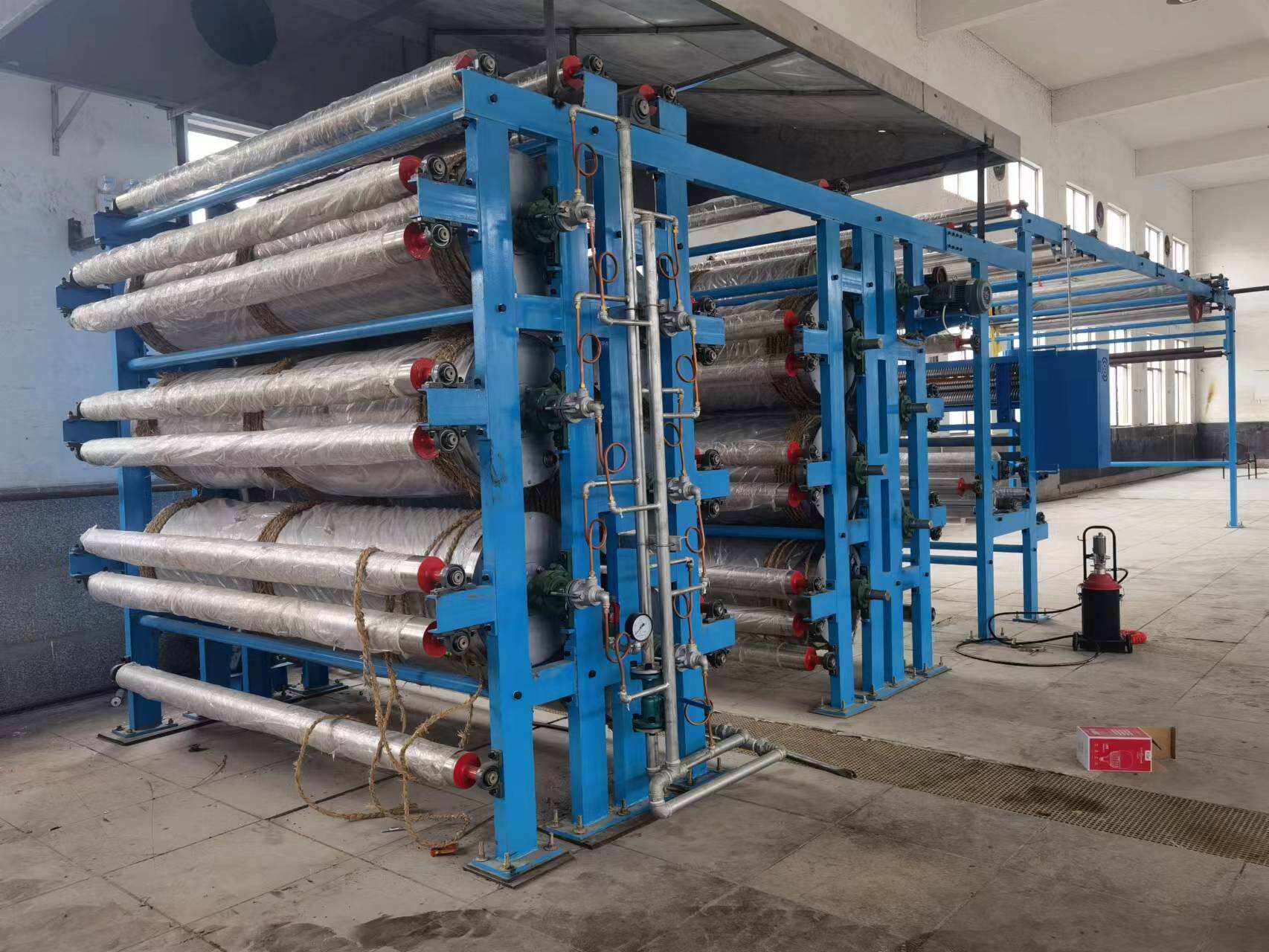
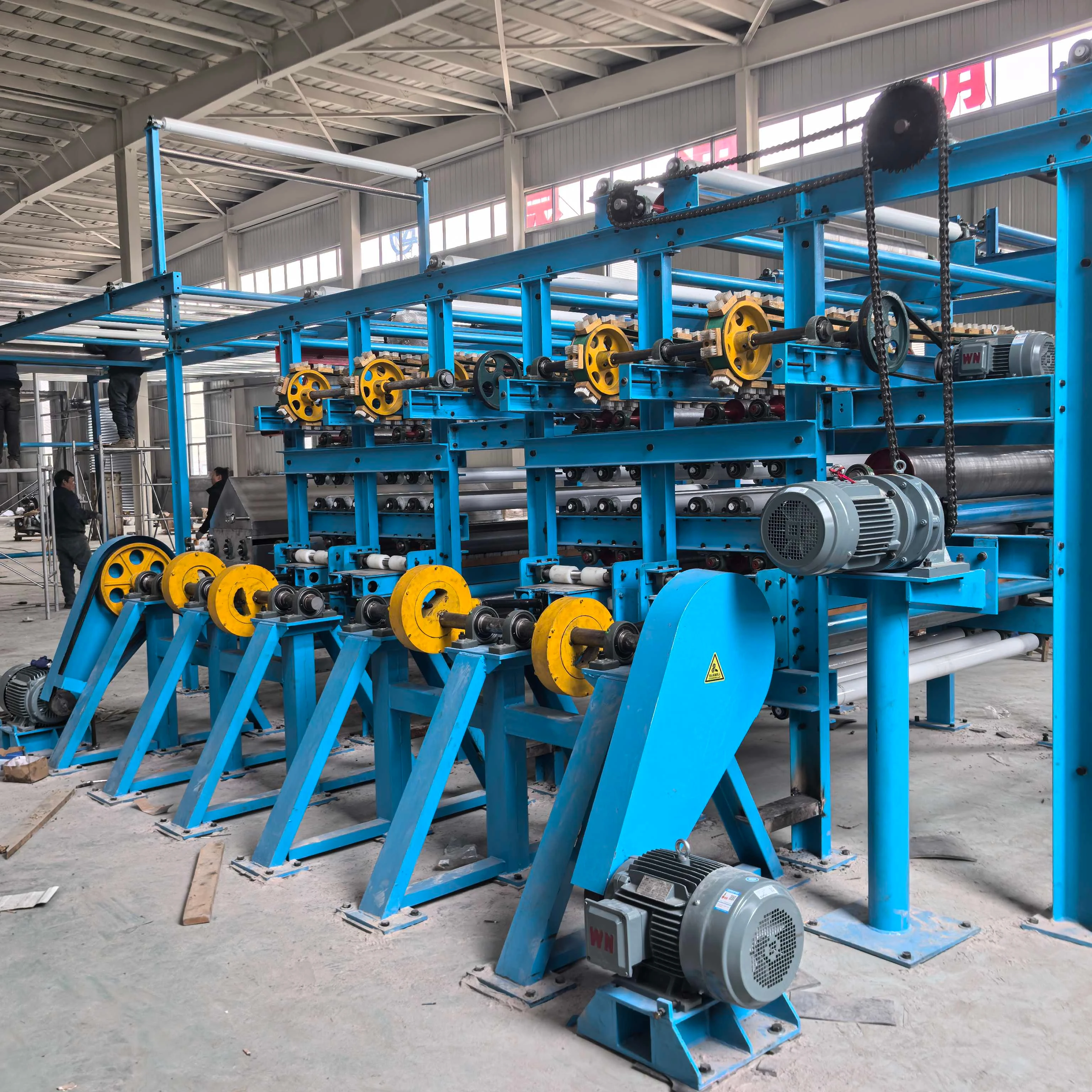
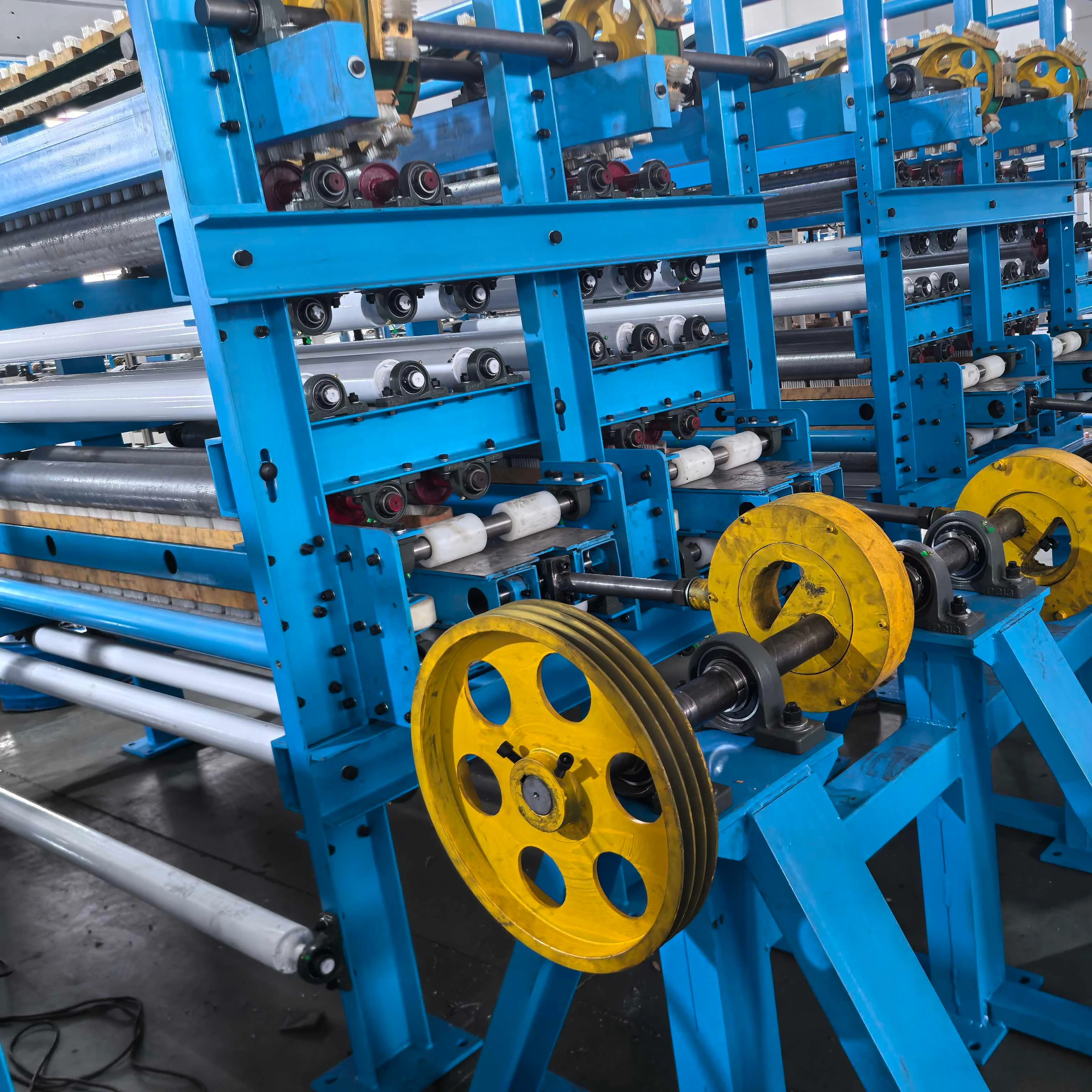
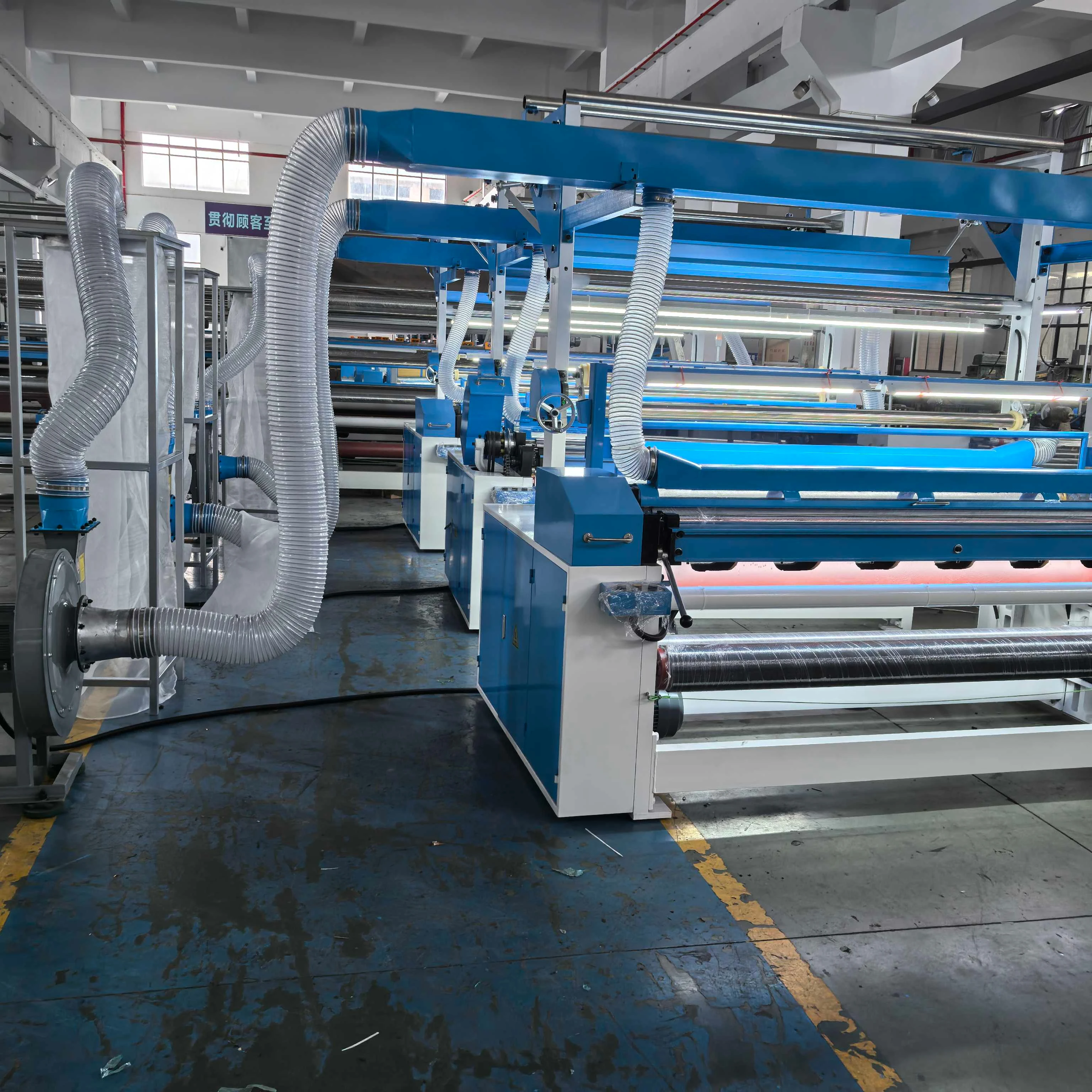
Fabric brushing machines are finishing equipment that mechanically raises a layer of short pile on fabric surfaces. Their core value lies in significantly enhancing fabric softness, visual texture, warmth retention, and moisture absorption. This critical process makes them indispensable across numerous textile industries, with their diverse applications also influencing machine configurations and final costs.
Within apparel and fashion textiles, napping machines see the most widespread use. They are essential for producing soft, plush fleece, sweatshirt fabrics, and terry cloth bathrobes. Additionally, they nap wool and cotton knitwear to boost warmth or create distinctive distressed textures on denim. Within home décor and furniture, brushing machines manufacture blankets, plush rugs, and upholstery materials like ultra-soft velour and suede, creating warm, comfortable textures that heighten product appeal.
Furthermore, brushing remains crucial in the more technically demanding industrial textiles sector. For instance, in automotive manufacturing, brushing treats seat fabrics and headliner linings to ensure consistent luxurious tactility. In filtration, brushing nonwoven fabrics increases fiber density, thereby improving dust particle capture efficiency. The equipment also processes synthetic leather surfaces to achieve authentic leather-like textures and treats cleaning cloths to enhance absorbency.
In summary, fabric brushing machines extend their applications from everyday clothing to high-end sectors including home furnishings, automotive manufacturing, and environmental filtration. This broad applicability drives vastly different demands across industries for precision, strength, automation levels, and specialized functions—the fundamental reason for significant cost variations in the market. Understanding your specific application is the first step toward accurately evaluating your investment and selecting the most suitable equipment.
03
Sep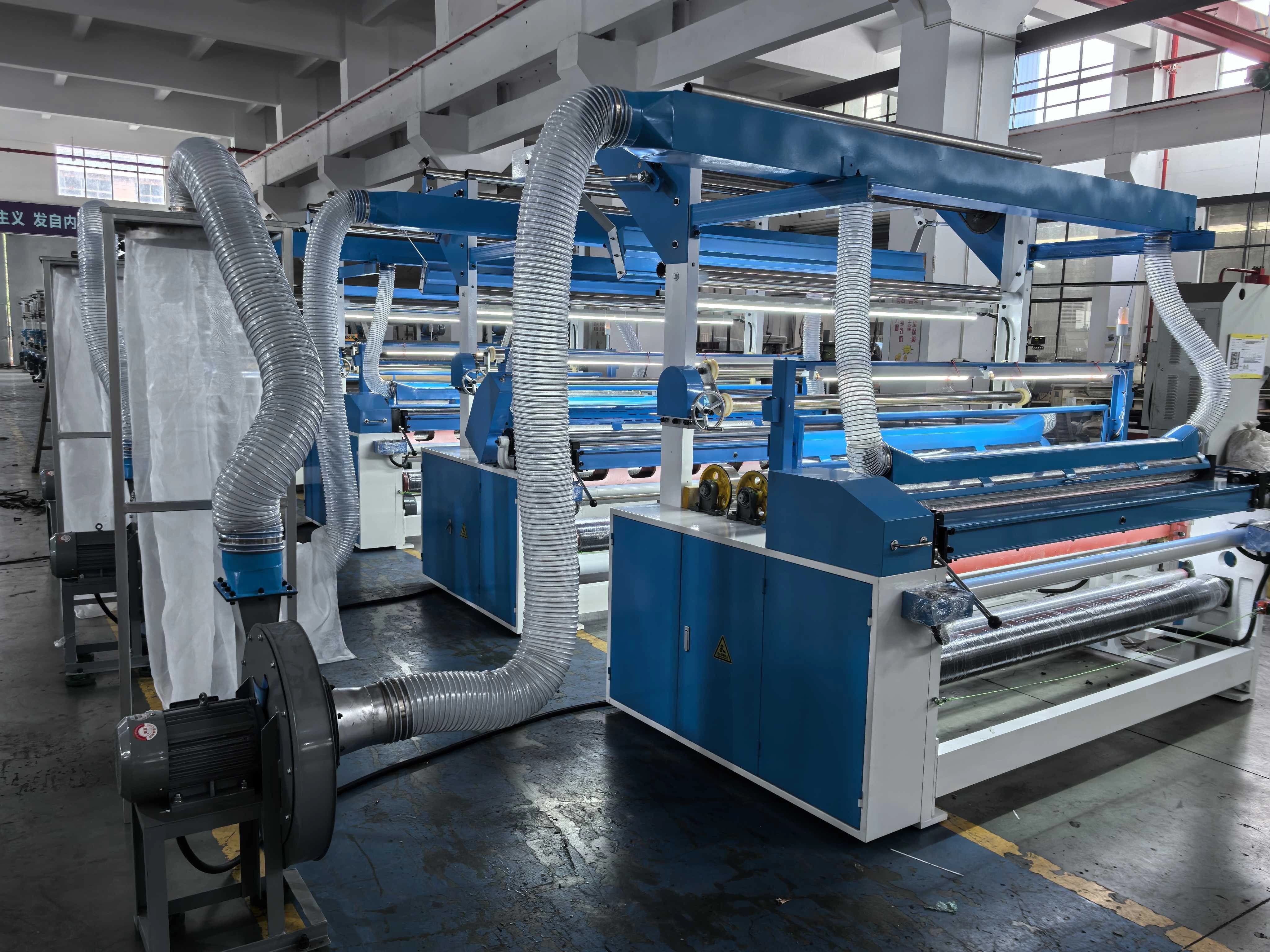
02
Nov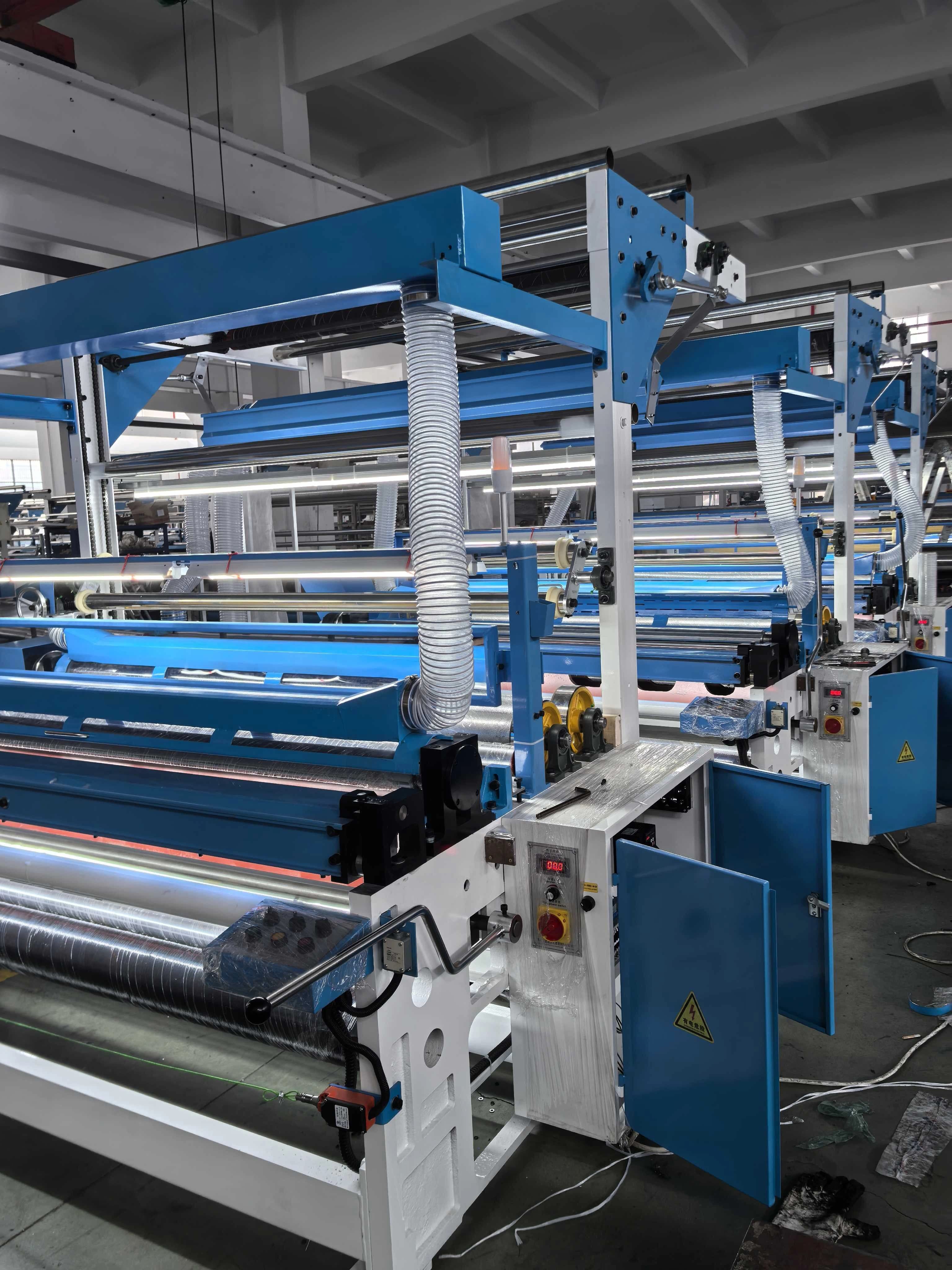
02
Nov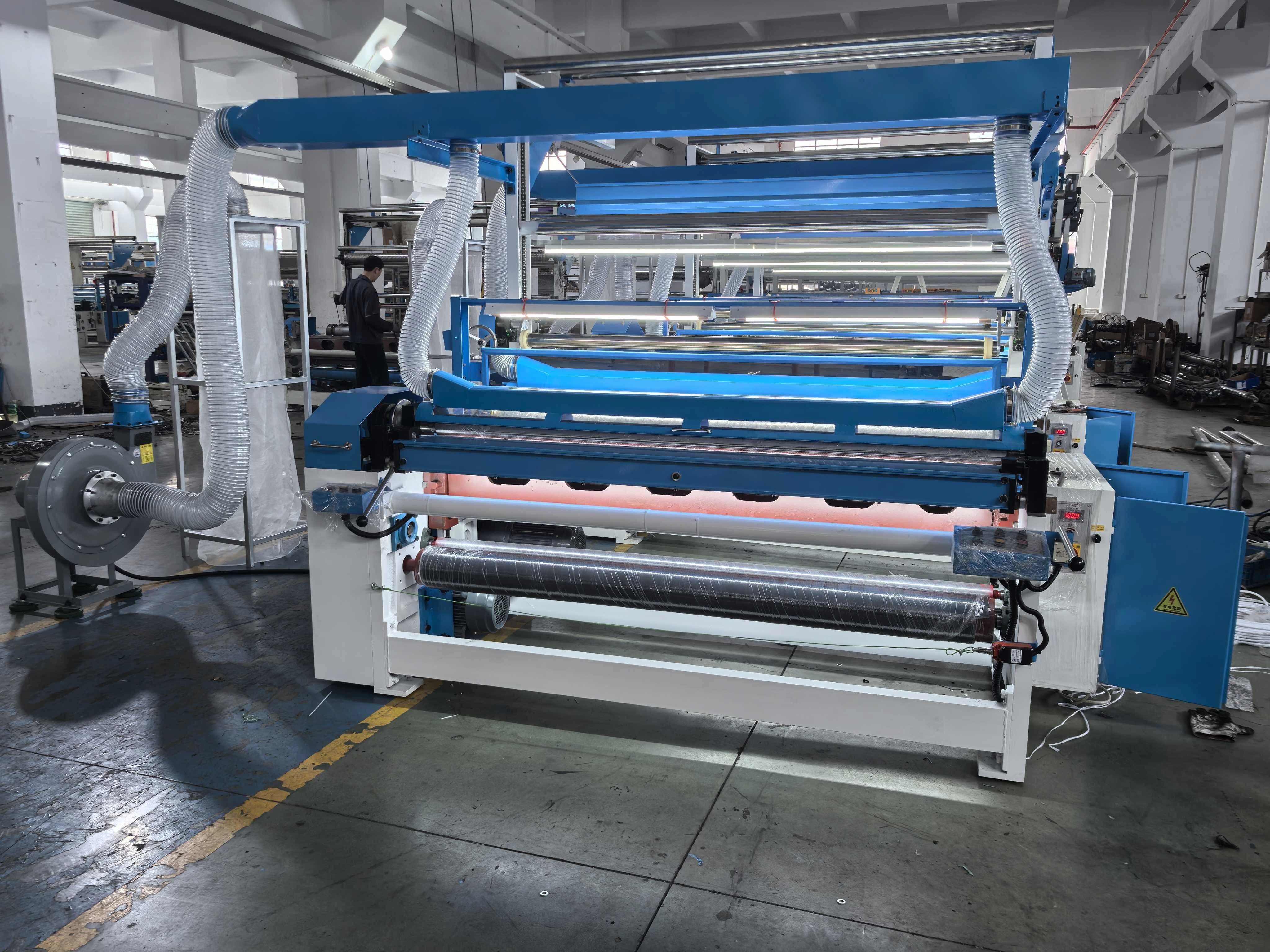
02
Nov
'The machine operates reliably with minimal maintenance required"

"Simple operation, significantly improved production efficiency"