EN
EN


Here is some usual questions about our product
Confused about our product's features and benefits? Get clear, concise answers to the most common questions from industry experts. Explore now.
View More
 ×
×
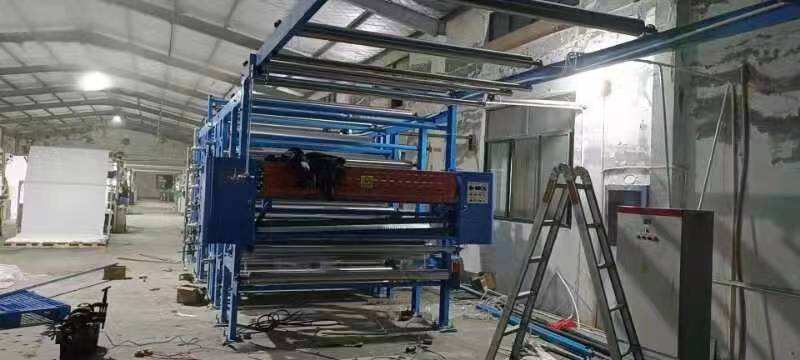
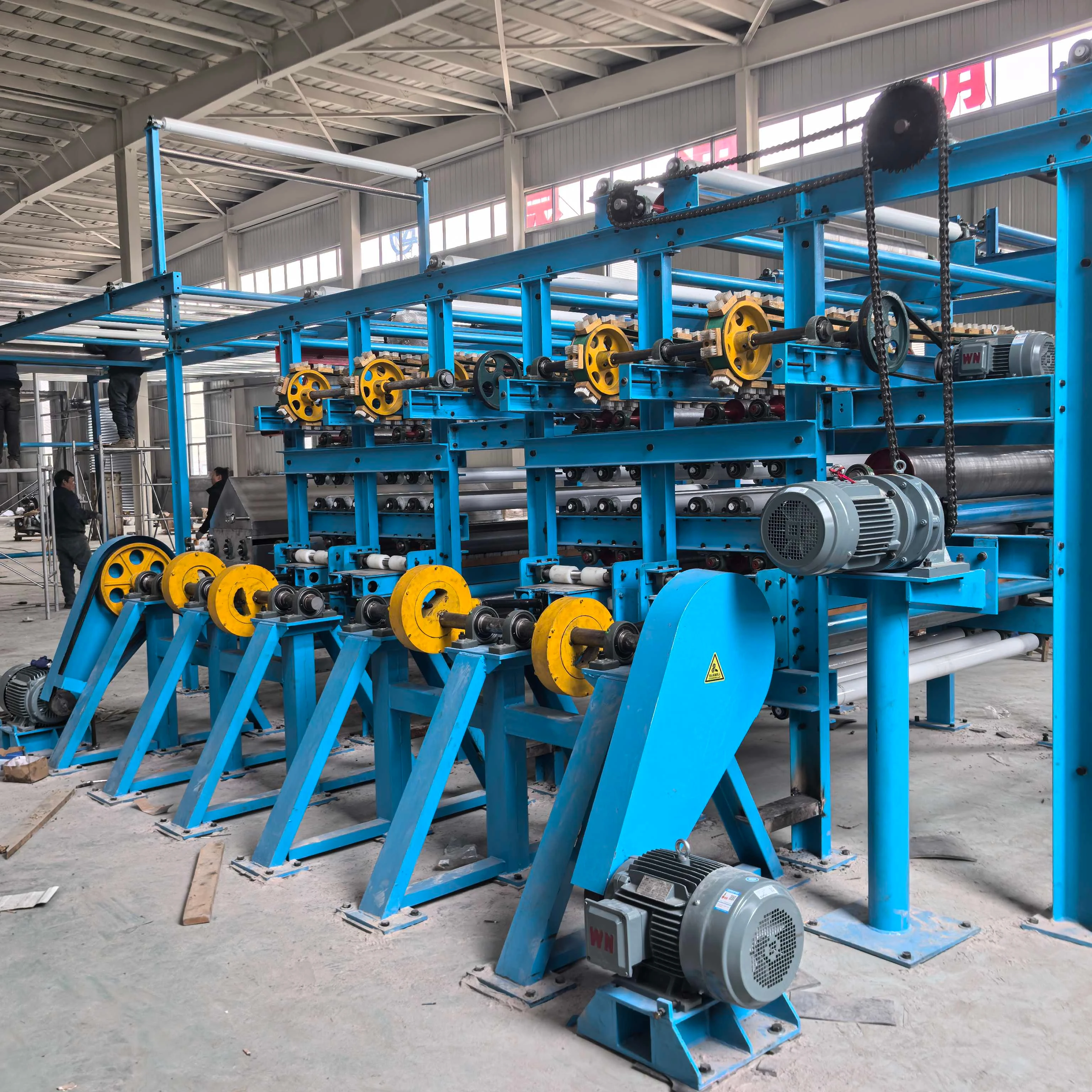
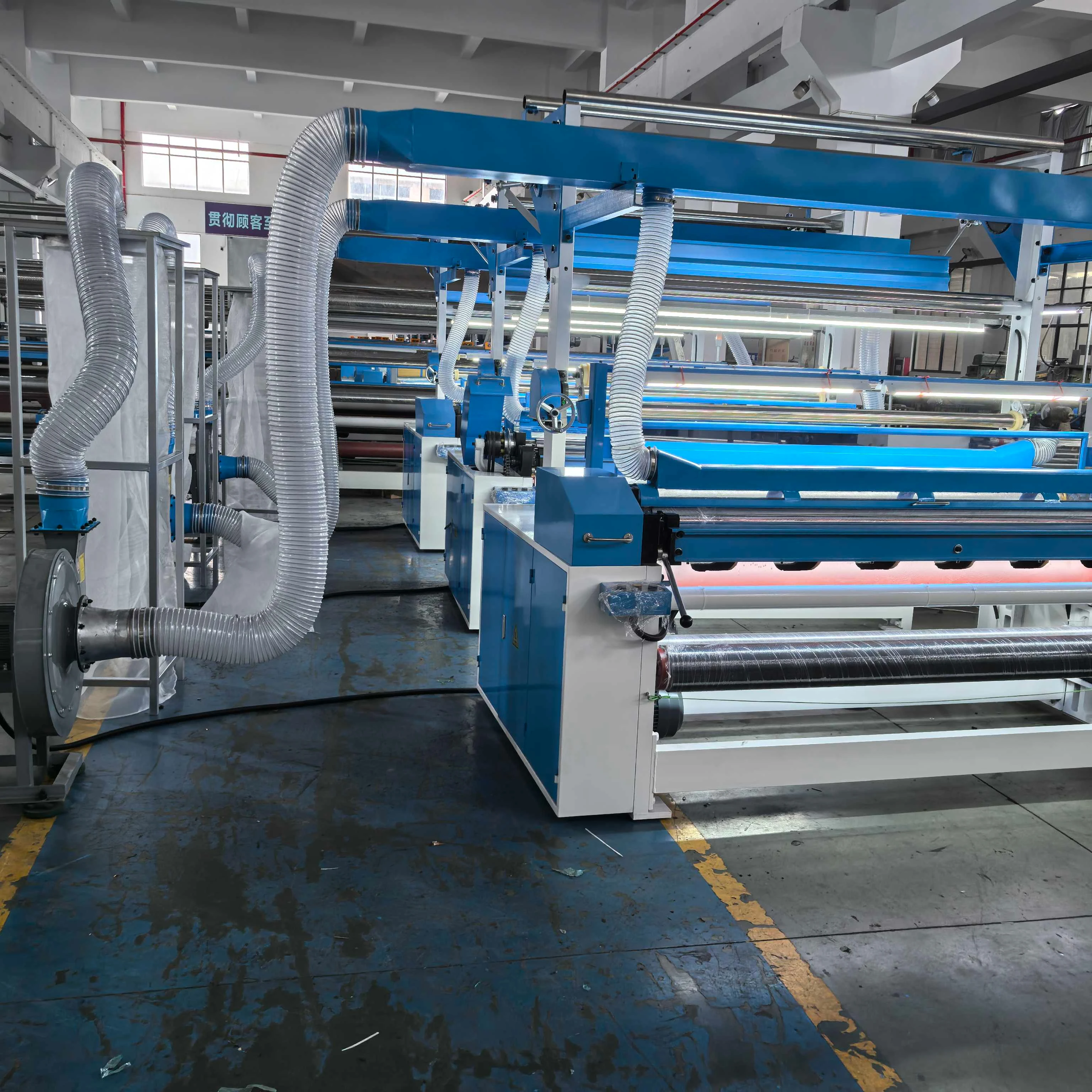
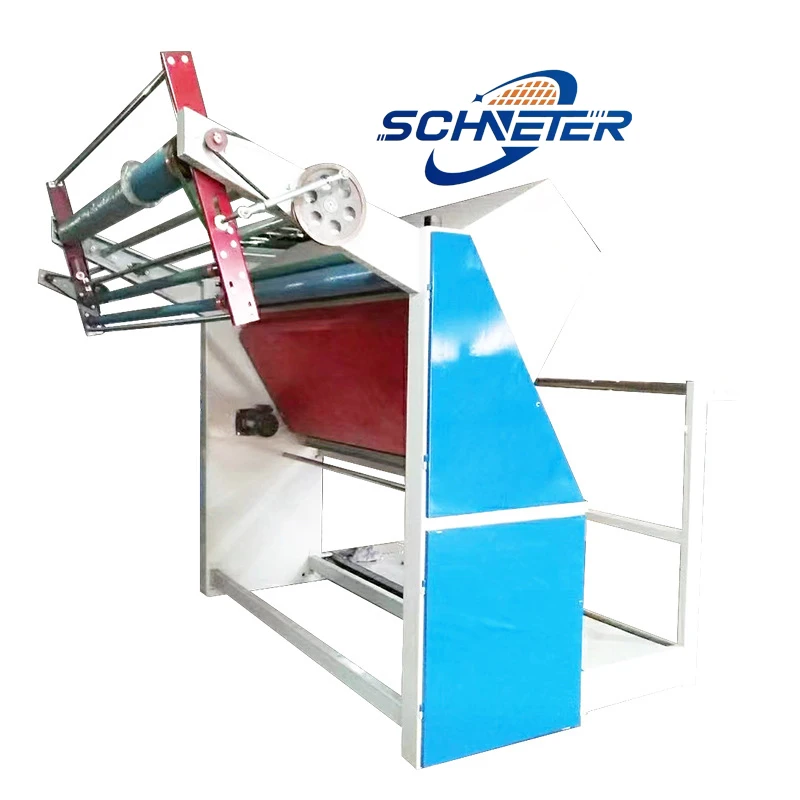
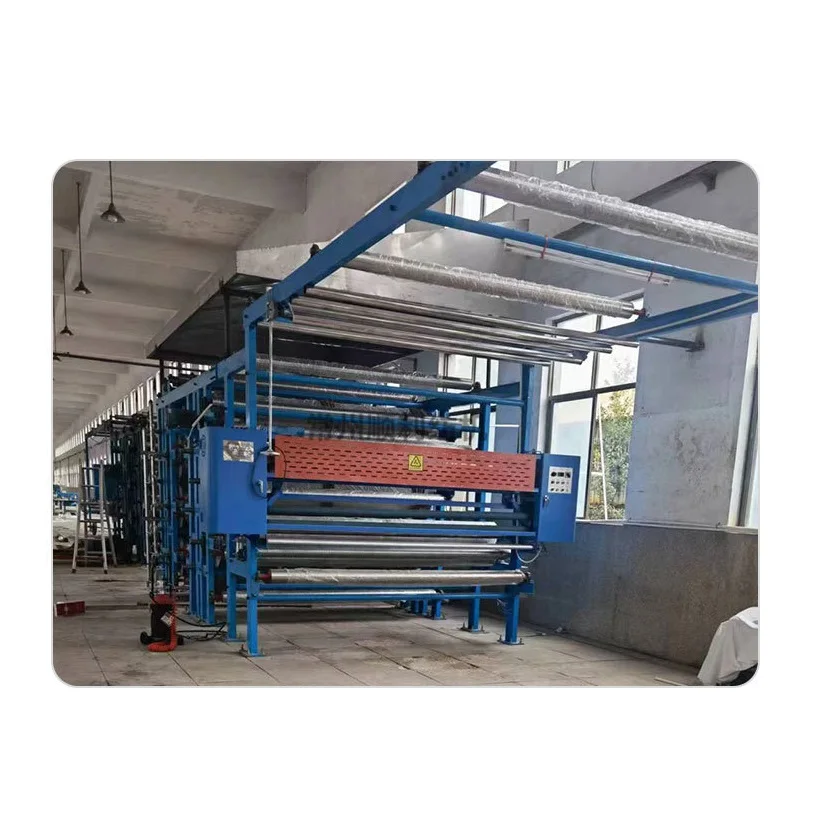
In today's highly competitive textile industry, the key to distinguishing ordinary fabrics from premium, high-value-added products often lies in a crucial process: finishing. The fabric brushing machine stands as the core equipment in this transformative process. Its primary significance lies in its ability to radically alter a fabric's appearance and feel: by raising the microfibers on the fabric's surface, it imparts an exceptionally soft, fluffy, and skin-friendly texture, significantly enhancing wear comfort. This is crucial for products like loungewear, infant and children's apparel, and premium blankets. Simultaneously, this process creates microscopic air pockets within the fabric structure, providing natural insulation. This makes brushed fabrics an ideal choice for fleece jackets, sweatshirts, and thermal linings. Additionally, the technique produces distinctive surface textures, enabling brands to develop differentiated, high-value-added products that stand out in the marketplace.
For textile mills, the strategic value of brushing machines translates directly into operational efficiency. A high-quality brushing machine from a reputable manufacturer ensures consistent, uniform pile density across every meter of fabric during mass production—a level of precision unattainable through manual or semi-automated processes. Its high-speed, sustained production capacity meets stringent delivery deadlines, while automated precision minimizes fabric waste and reduces reliance on labor-intensive operations, directly boosting profitability.
However, the true strategic significance extends far beyond individual equipment to establishing a partnership with a specialized fabric brushing machine manufacturer. Unlike ordinary suppliers, a specialized manufacturer offers customized engineering solutions tailored to specific fabrics—from delicate velvet to heavy denim—ensuring optimal results without damaging materials. They also continuously invest in R&D, delivering cutting-edge technology and comprehensive after-sales support—including readily available spare parts and expert maintenance—crucial for minimizing costly downtime. Thus, choosing to collaborate directly with an experienced, technologically reliable manufacturing facility is a strategic decision that ensures exceptional product quality, maximizes production efficiency, and secures lasting competitive advantage in today's demanding textile manufacturing landscape.
03
Sep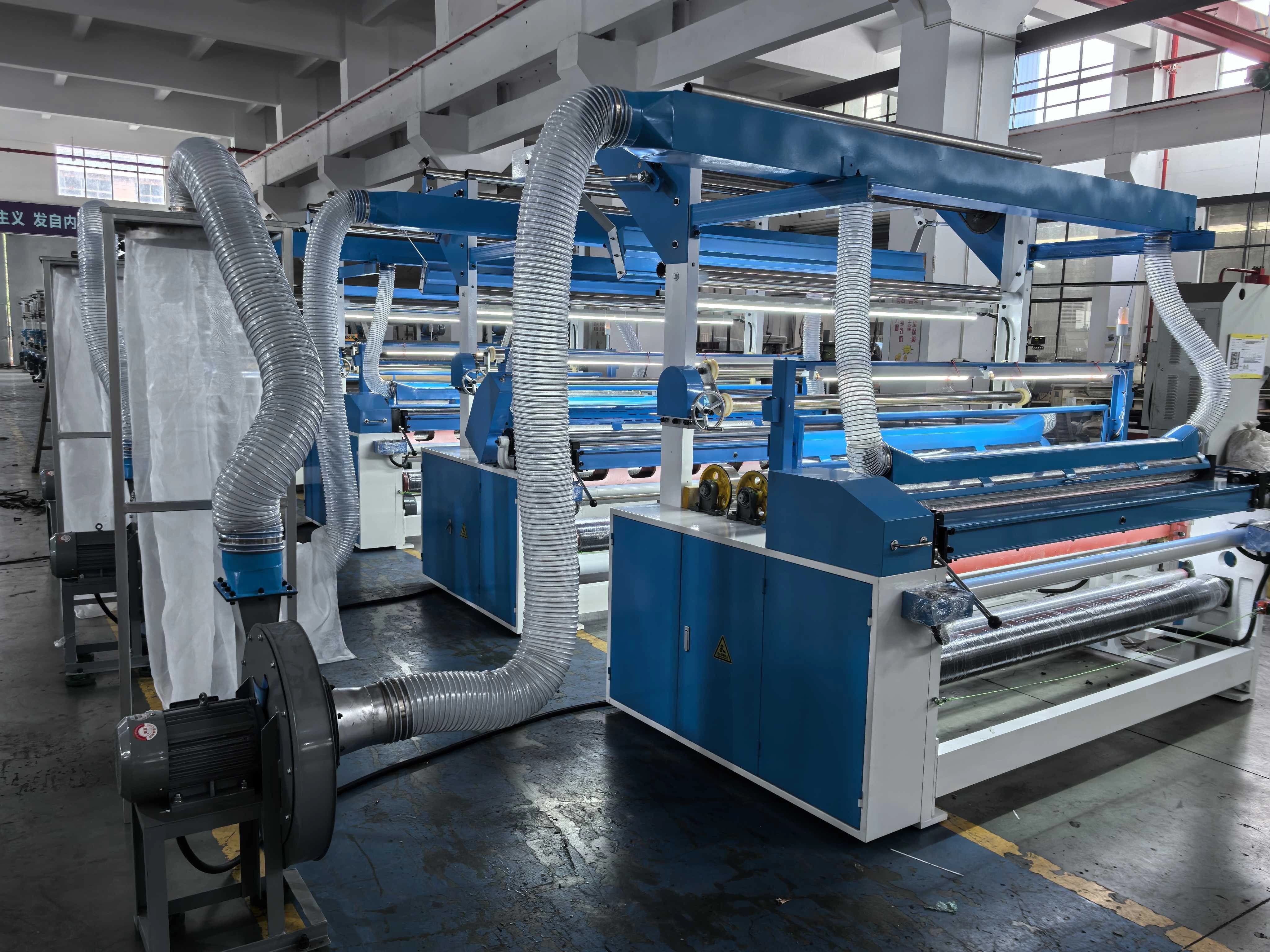
02
Nov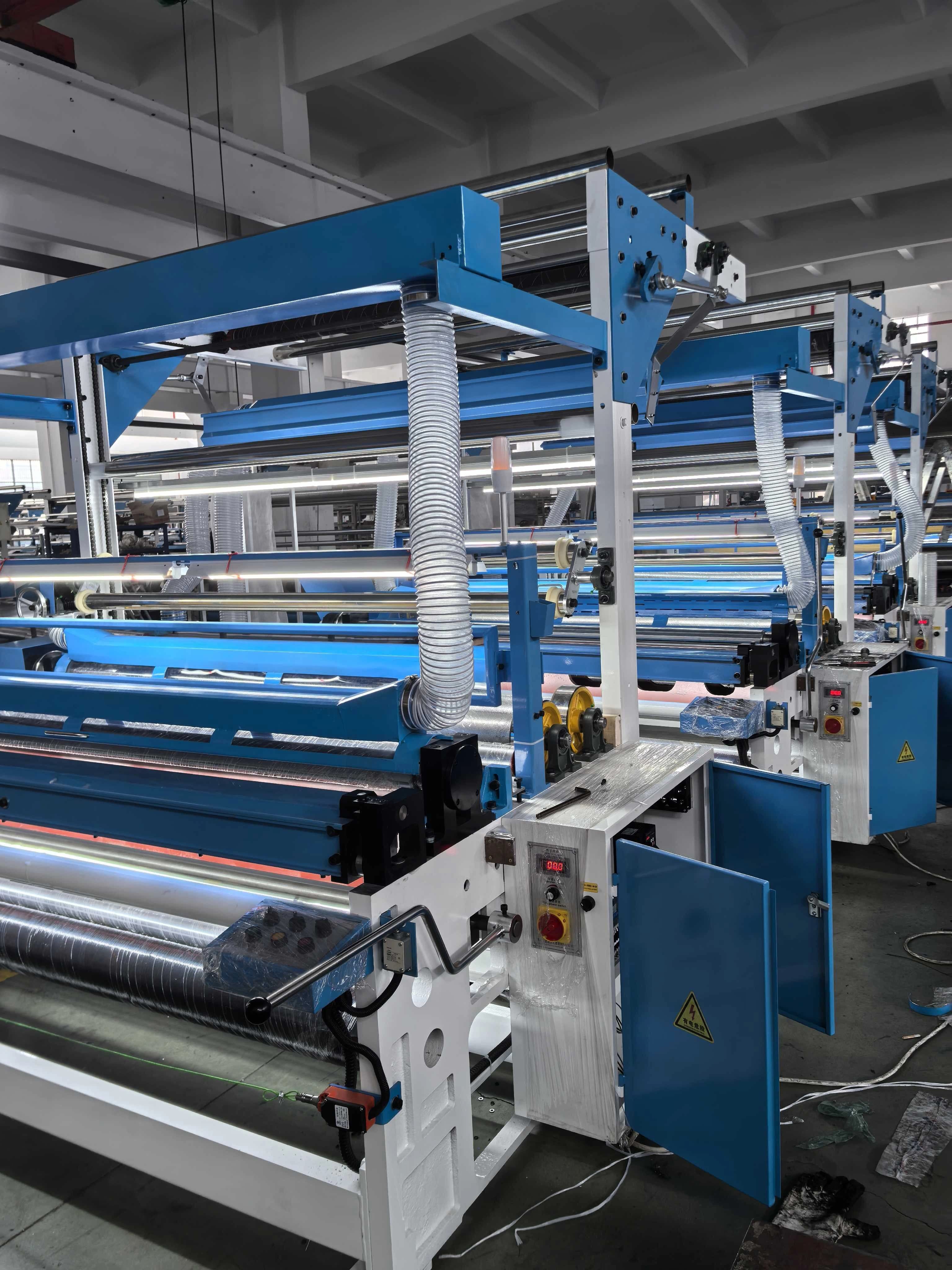
02
Nov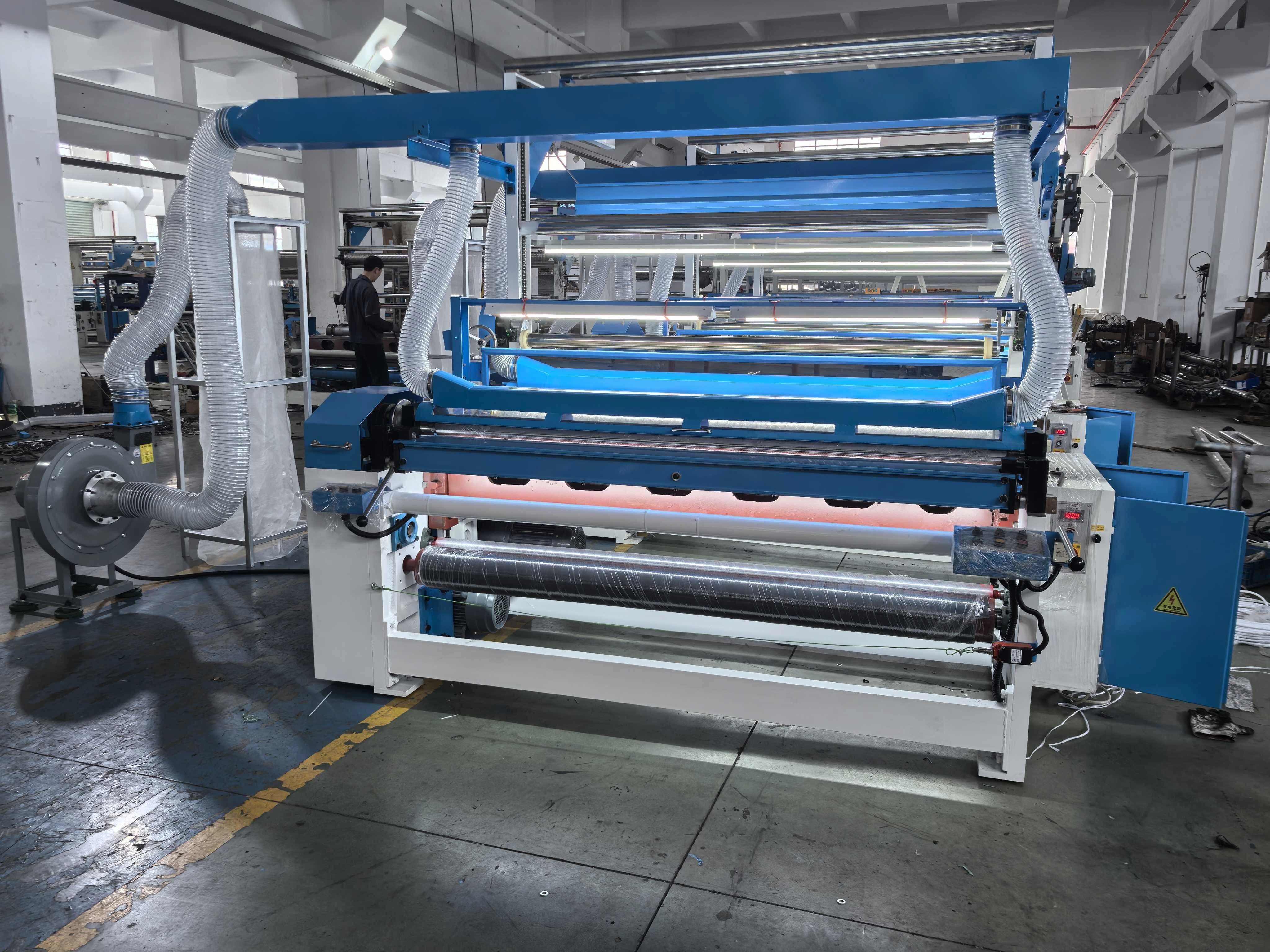
02
Nov
'The machine operates reliably with minimal maintenance required"

"Simple operation, significantly improved production efficiency"