EN
EN


Shanghai Exhibition
Discover key takeaways from Shanghai Exhibition 2024, including emerging B2B trends, innovative technologies, and networking opportunities. Explore industry advancements now.
View More
 ×
×
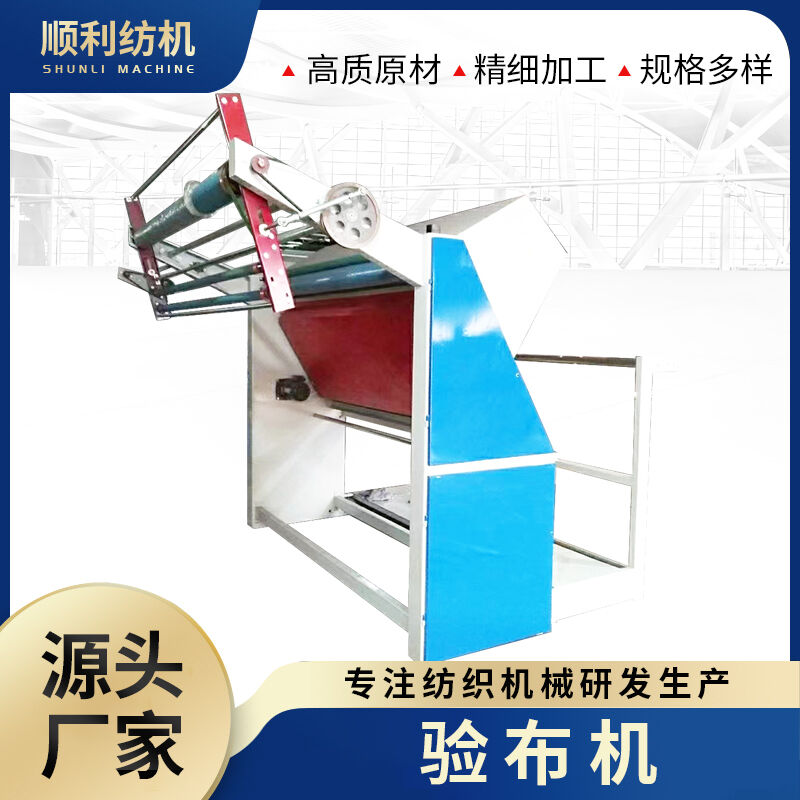
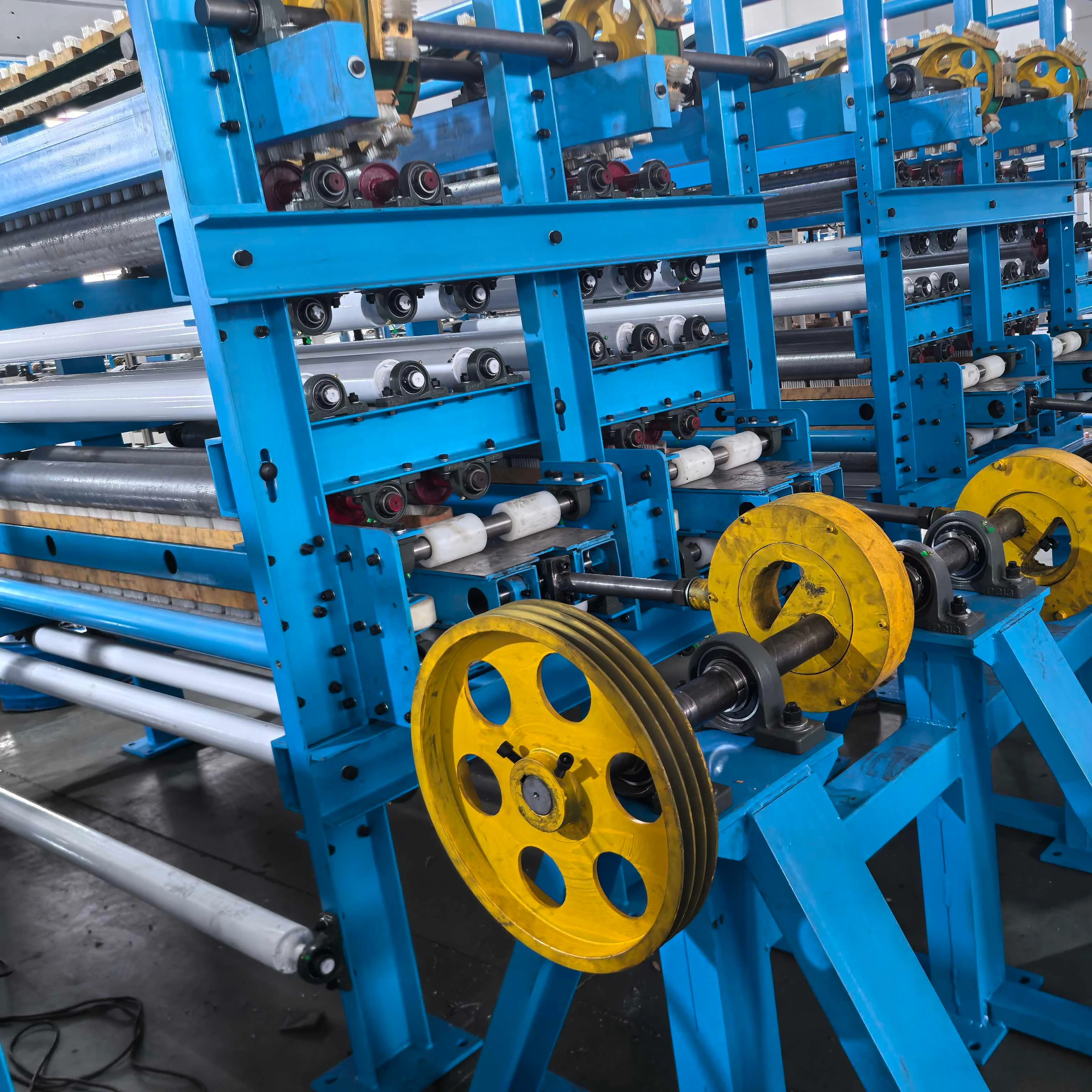
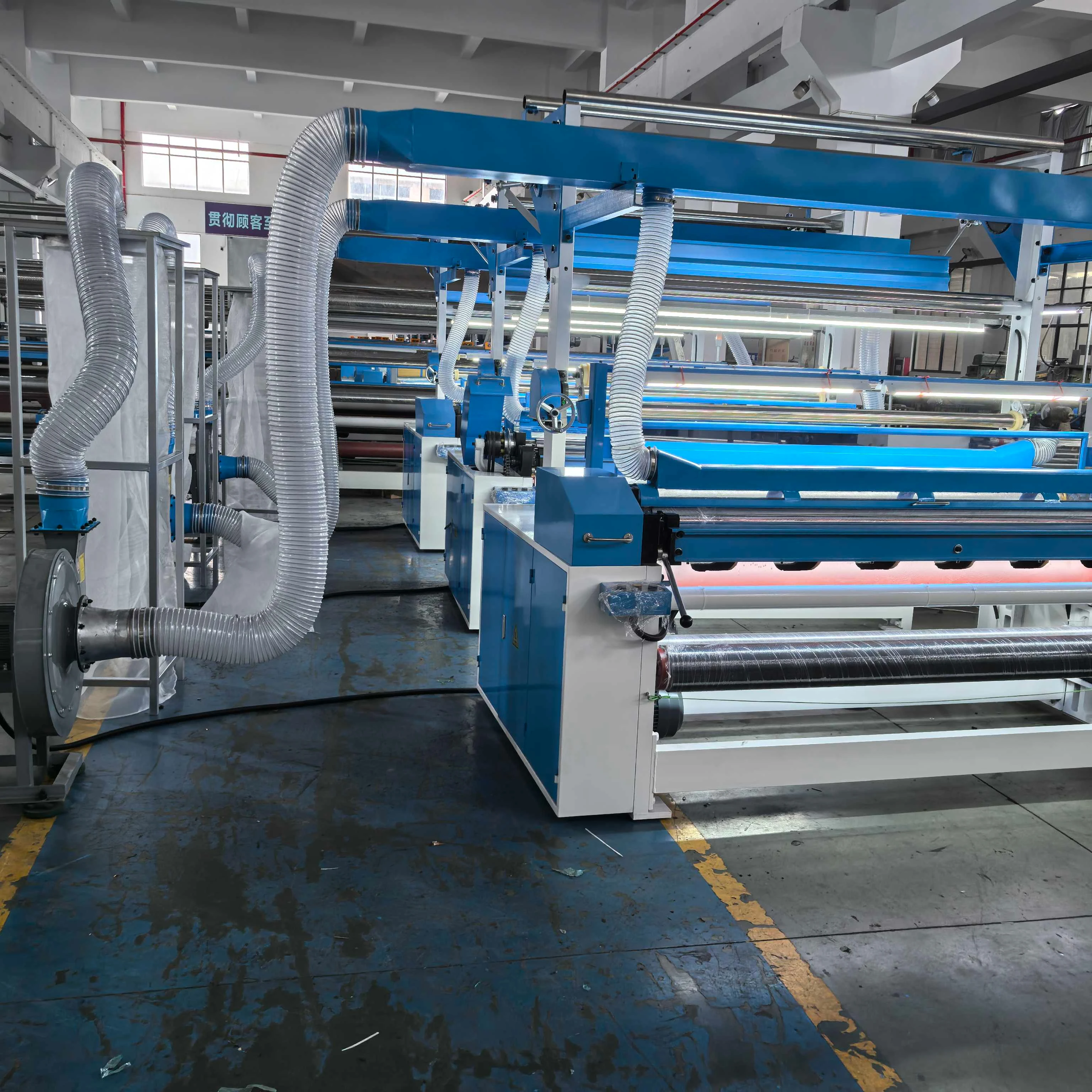
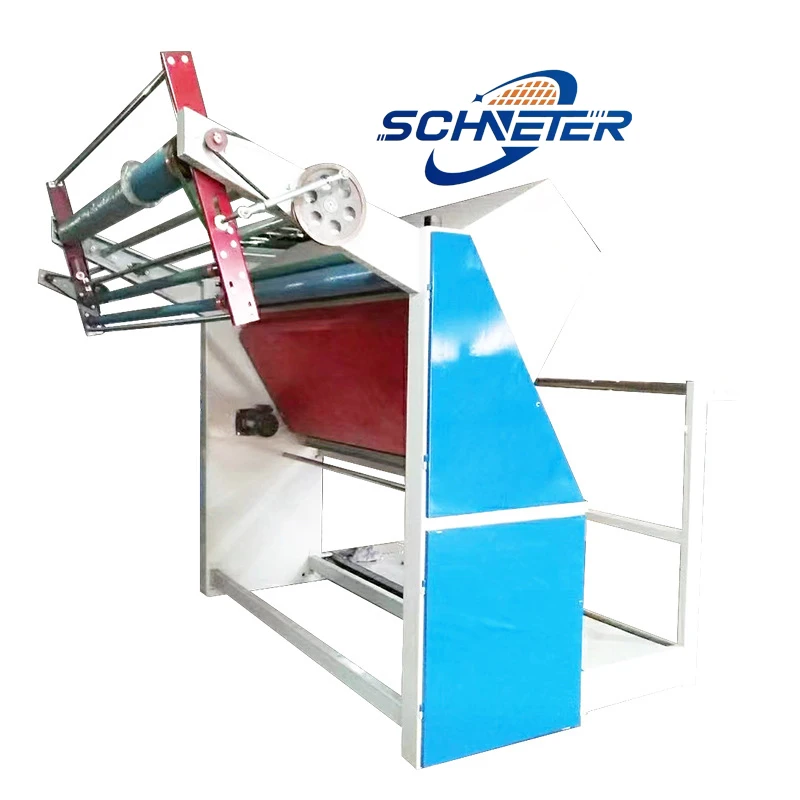
Automated fabric inspection technology is no longer an optional step in textile manufacturing but a strategic cornerstone for enhancing core competitiveness and achieving high-quality development. Our automated fabric inspection machines, with their exceptional precision, efficiency, and stability, are fundamentally transforming traditional quality control models, offering broad application prospects and tangible returns on investment across the entire textile supply chain.
In woven fabric production, inspection machines are central to ensuring consistency in high-volume output. Whether detecting critical defects like holes, thick knots, or missing wefts that directly impact yield in apparel and denim production, or identifying large-area, continuous flaws in home textiles (such as bedding, curtains, and upholstery fabrics), automatic fabric inspection machines are indispensable—directly safeguarding brand reputation. For industrial textiles like canvas and tarpaulin, inspection results provide critical assurance of material strength and durability.
In the more elastic and flexible realm of knitted fabrics, inspection machines protect high-value materials from damage. For industries demanding flawless fabric appearance—like sportswear and undergarments—they effectively detect easily overlooked defects such as snags, horizontal stripes, needle marks, and oil stains, ensuring premium final product quality.
For nonwovens and industrial textiles, fabric inspection machines deliver value through rigorous assurance of material functionality. In sectors like medical protection, hygiene materials, automotive interiors, and filtration, even minute pinholes, thickness variations, or contaminants can lead to severe safety incidents or product failure. Automated inspection machines serve as “safety guardians” here, exceeding human visual limits to meet the most stringent industry standards.
Furthermore, pre-inspection of base fabrics before advanced processes like coating or lamination prevents costly rework in subsequent stages. In garment factories' cutting rooms, integrating fabric inspection machines with automated fabric spreading and cutting systems enables defect localization and optimized layout planning. This directly translates inspection results into profit by maximizing fabric utilization and significantly boosting profitability.
03
Sep
03
Sep
02
Nov
02
Nov
“Simple operation, quick employee onboarding”

“One of the fastest investments to recoup your costs, with a significant reduction in customer complaints.”