EN
EN


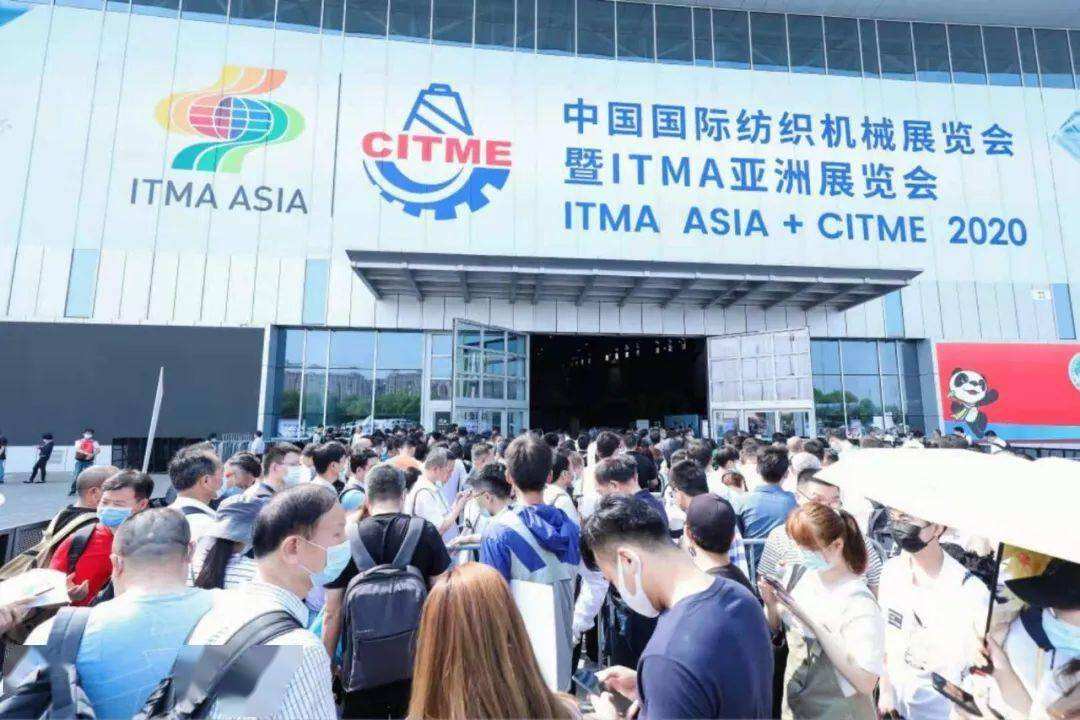
Shanghai Exhibition
Discover key takeaways from Shanghai Exhibition 2024, including emerging B2B trends, innovative technologies, and networking opportunities. Explore industry advancements now.
View More
 ×
×
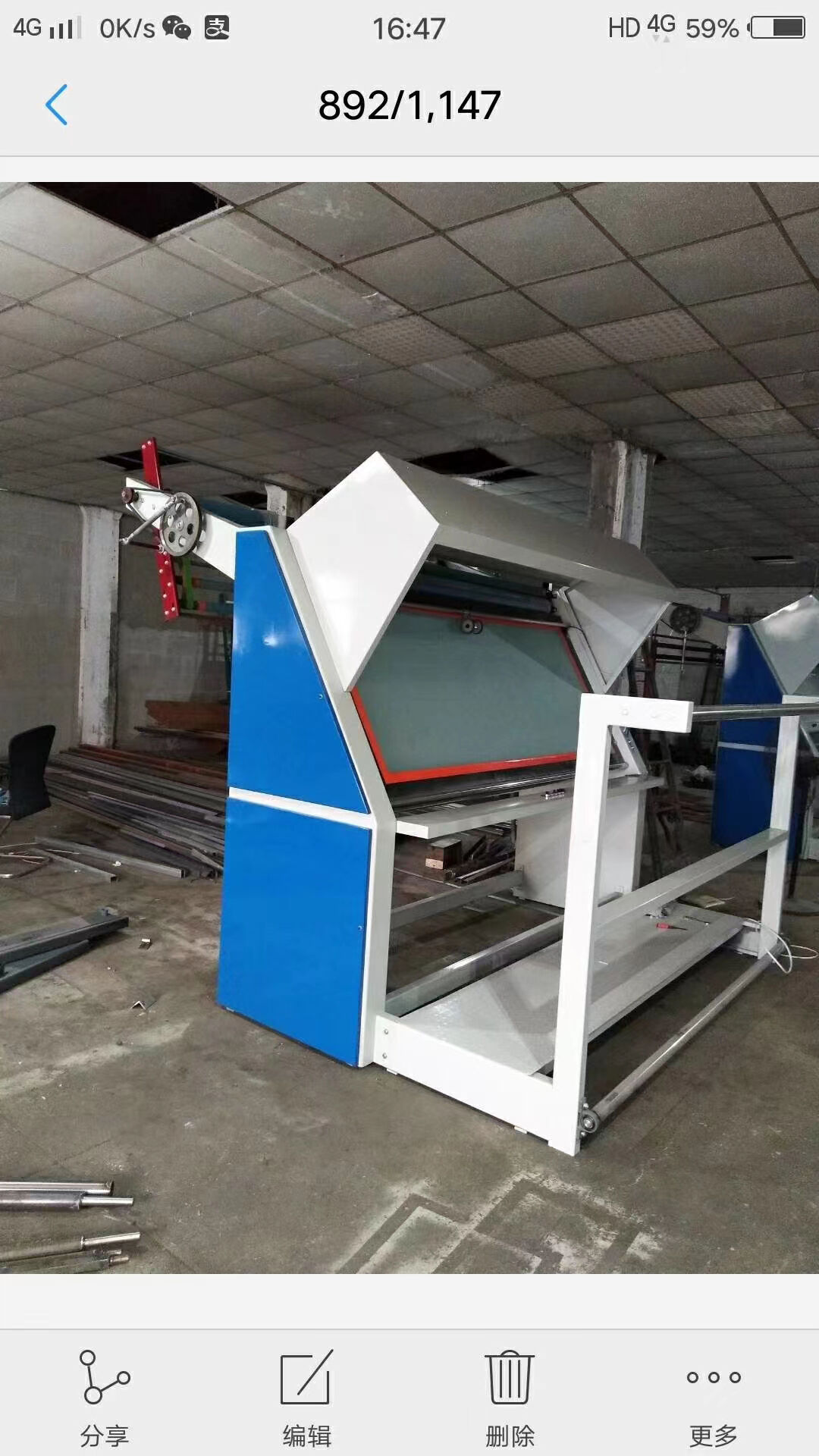
The application prospects of fabric inspection machines have long transcended the traditional scope of merely “detecting defects,” increasingly becoming a core tool for textile enterprises to enhance competitiveness and achieve sustainable development. In traditional manufacturing sectors, their application is most widespread and direct. By conducting 100% inspection of fabrics at the end of the production process, these machines effectively ensure finished product quality, significantly reducing defective rates and customer returns, directly saving costs for enterprises. Simultaneously, inspection reports provide data-driven support for negotiations between enterprises and suppliers, strengthening confidence on both sides.
Moreover, in the high-value-added specialty textiles sector, fabric inspection machines are indispensable. For instance, in manufacturing technical textiles like automotive airbags, medical textiles, and geotextiles, even minor defects can lead to severe consequences. Automated vision systems detect microscopic flaws invisible to the human eye, ensuring absolute product reliability. For coated or laminated fabrics (e.g., waterproof apparel, tarpaulins), inspection machines effectively identify issues like uneven coating, pinholes, and delamination. For knitted and elastic fabrics, specialized equipment accurately detects specific defects such as horizontal stripes and skipped stitches while maintaining controlled tension.
Looking ahead, the most compelling application prospects for fabric inspection machines lie in their integration with Industry 4.0 and smart manufacturing. Modern automated inspection systems are no longer isolated data silos; they generate vast quantities of quality data. This data can be integrated into a company's ERP (Enterprise Resource Planning) or MES (Manufacturing Execution System) to enable real-time monitoring of production quality. A deeper application lies in predictive analytics. By analyzing defect patterns, systems can trace issues back to their source—such as a malfunctioning loom or dyeing machine—enabling a leap from “detecting defects” to “predicting and preventing defects.” This truly propels textile factories toward data-driven intelligent transformation.
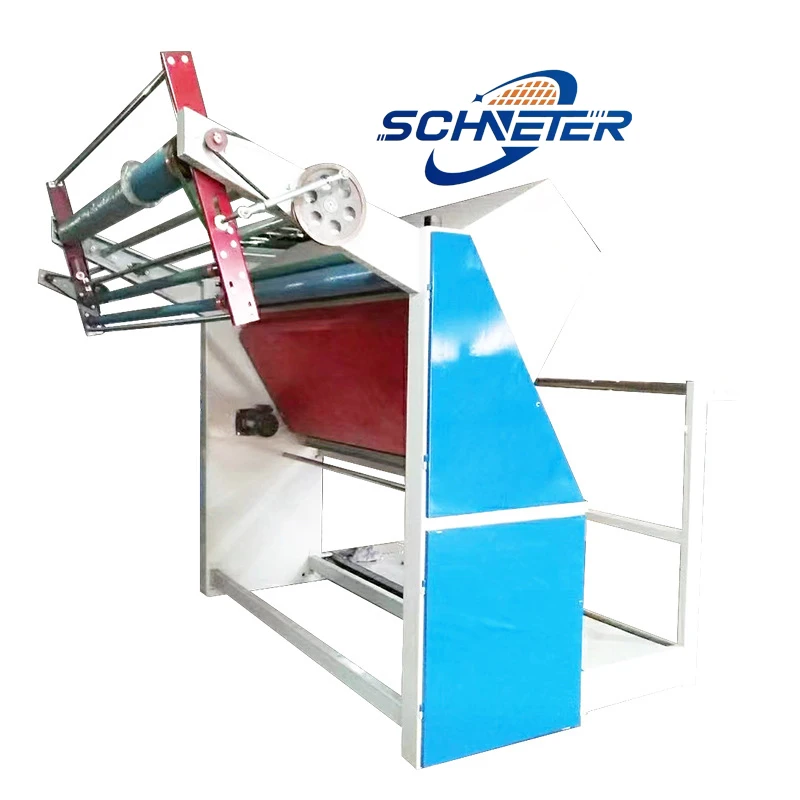
Therefore, selecting the appropriate type of fabric inspection machine—whether manual, semi-automatic, or fully automated vision systems—directly impacts a company's ability to gain a competitive edge in quality control, cost efficiency, and future intelligent upgrades. Its application prospects ultimately depend on how effectively a company integrates this tool with its specific product types, production scale, and development strategy.
03
Sep
03
Sep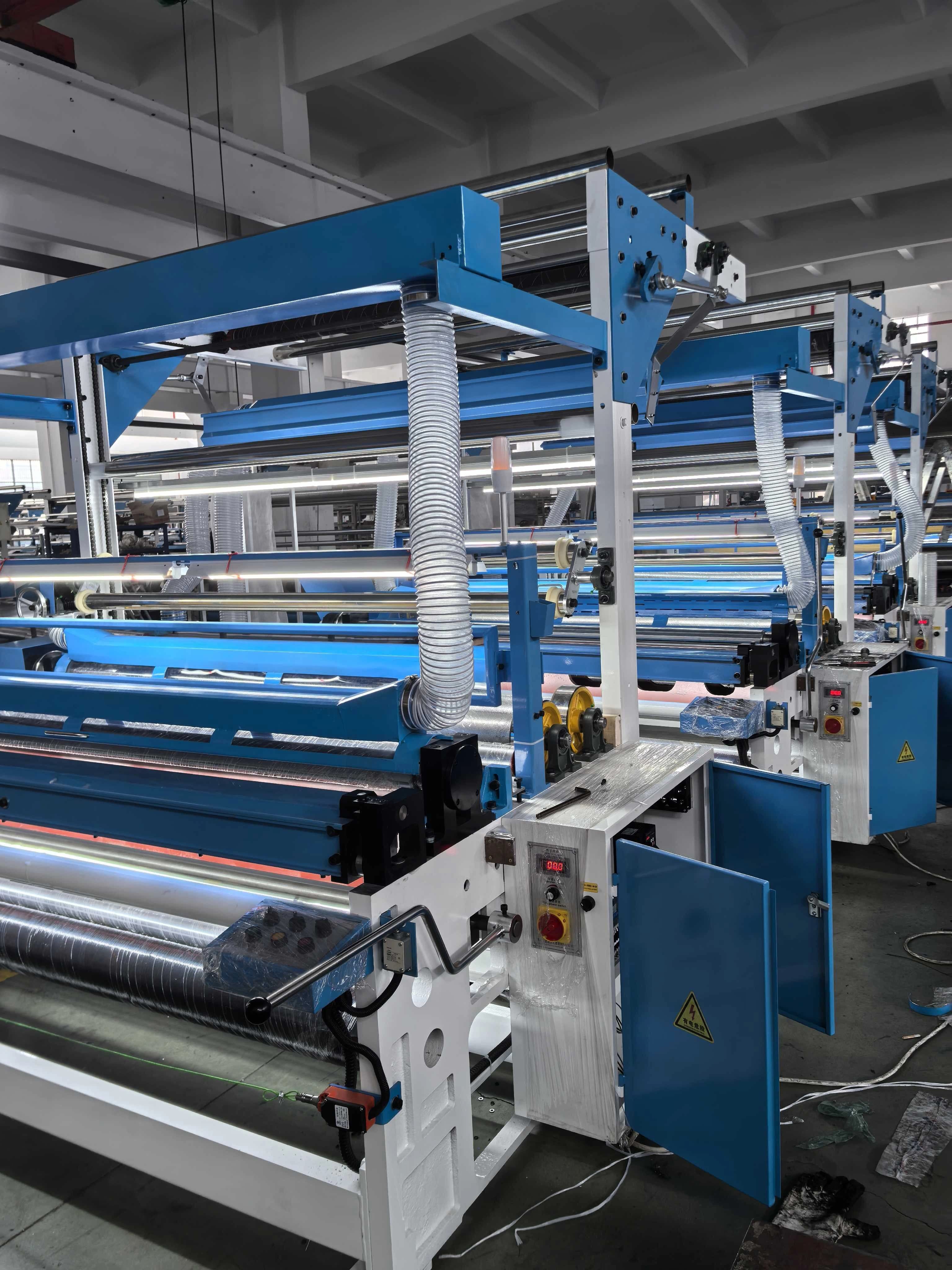
02
Nov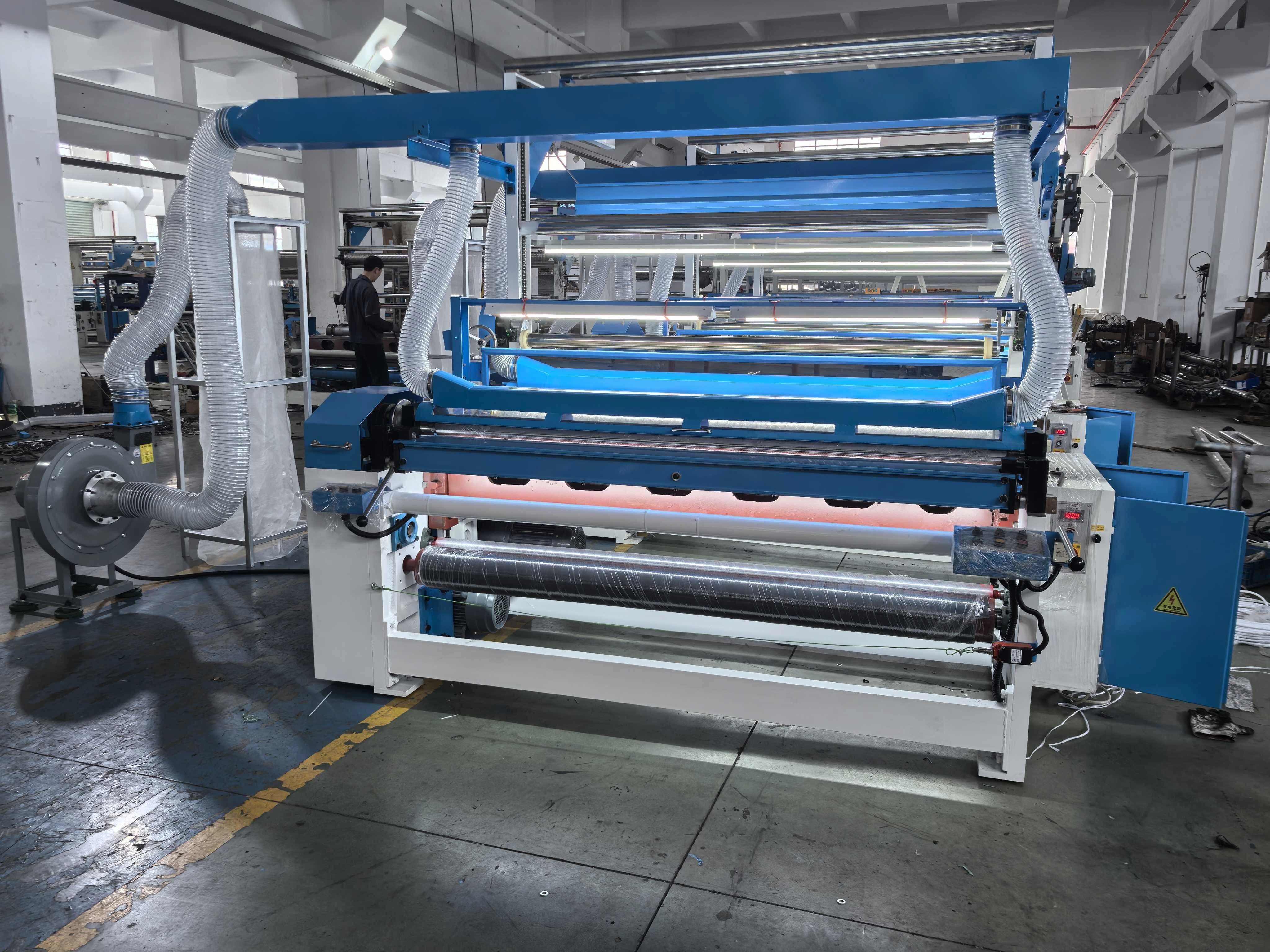
02
Nov
“Simple operation, quick employee onboarding”

“One of the fastest investments to recoup your costs, with a significant reduction in customer complaints.”