EN
EN


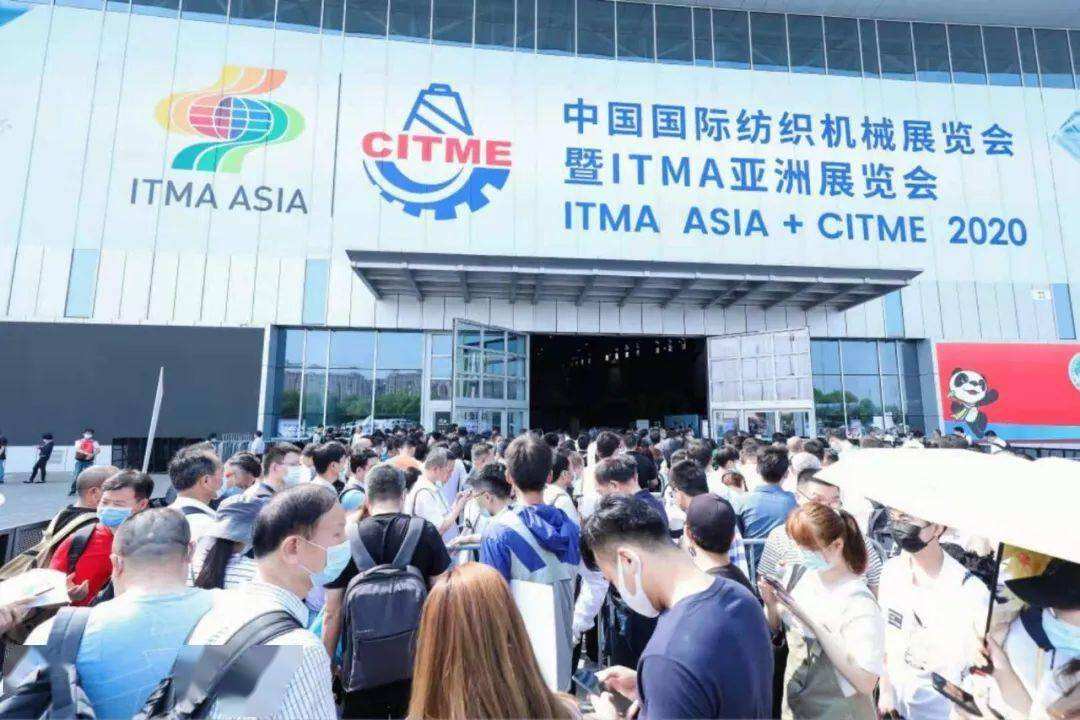
Shanghai Exhibition
Discover key takeaways from Shanghai Exhibition 2024, including emerging B2B trends, innovative technologies, and networking opportunities. Explore industry advancements now.
View More
 ×
×
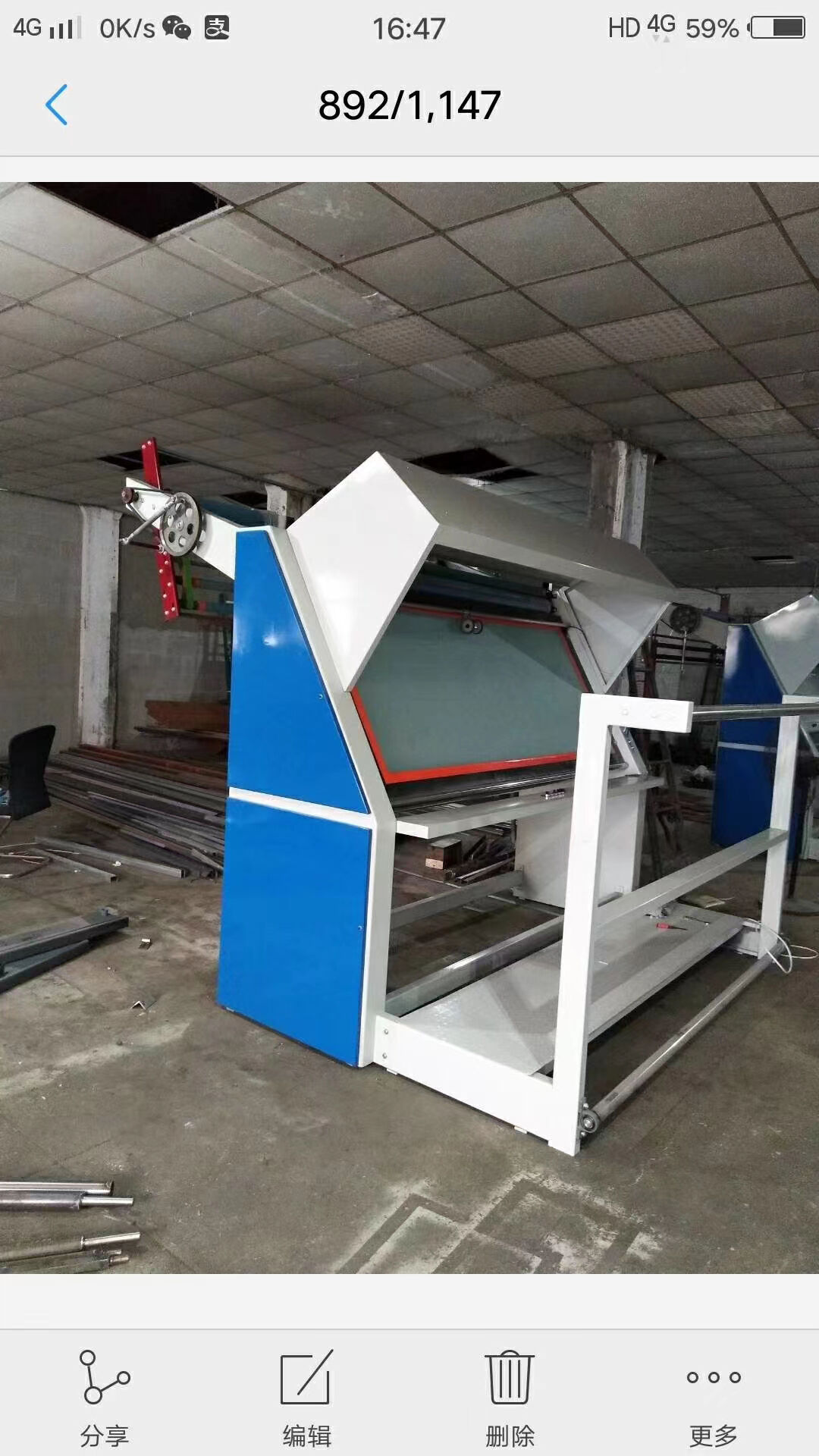
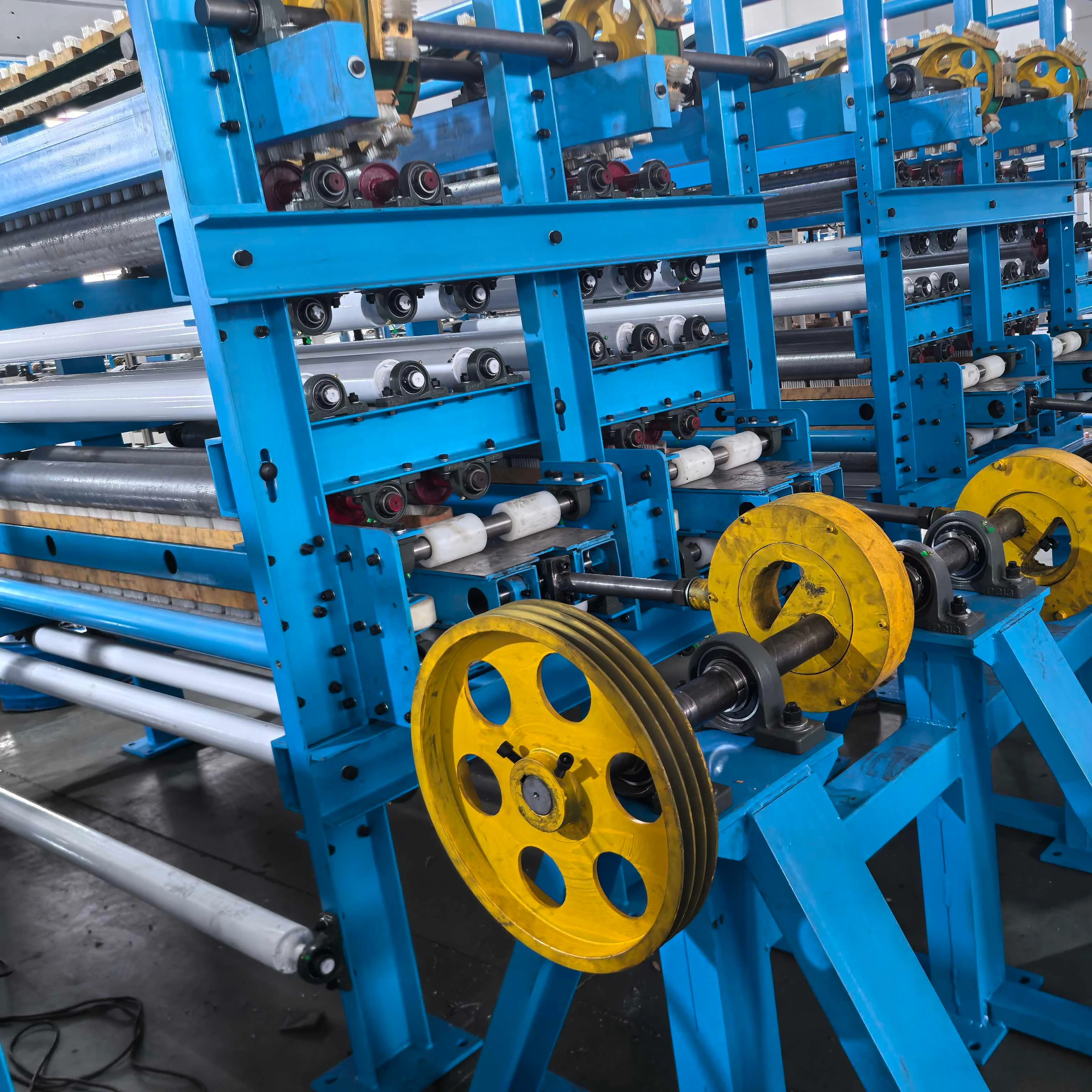
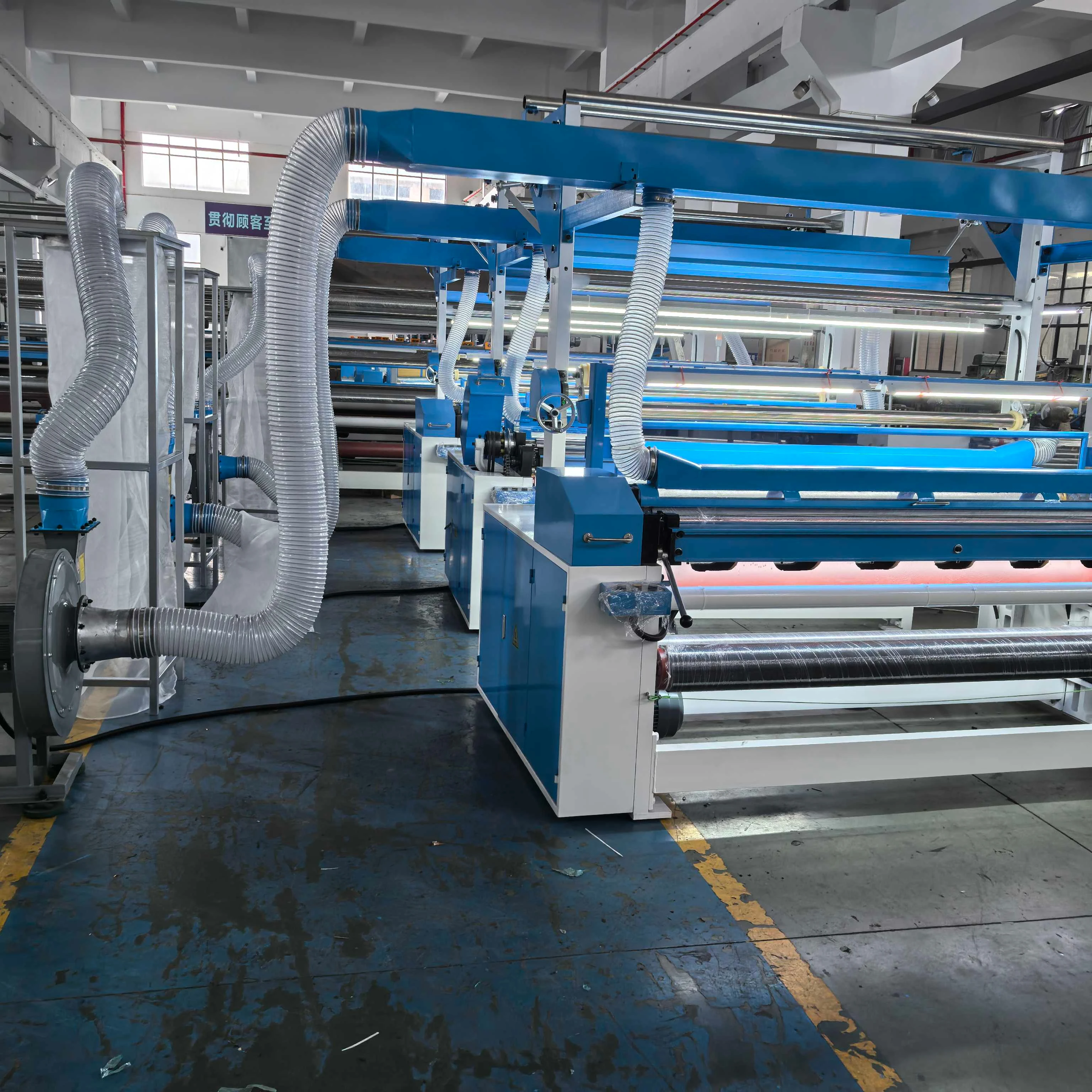
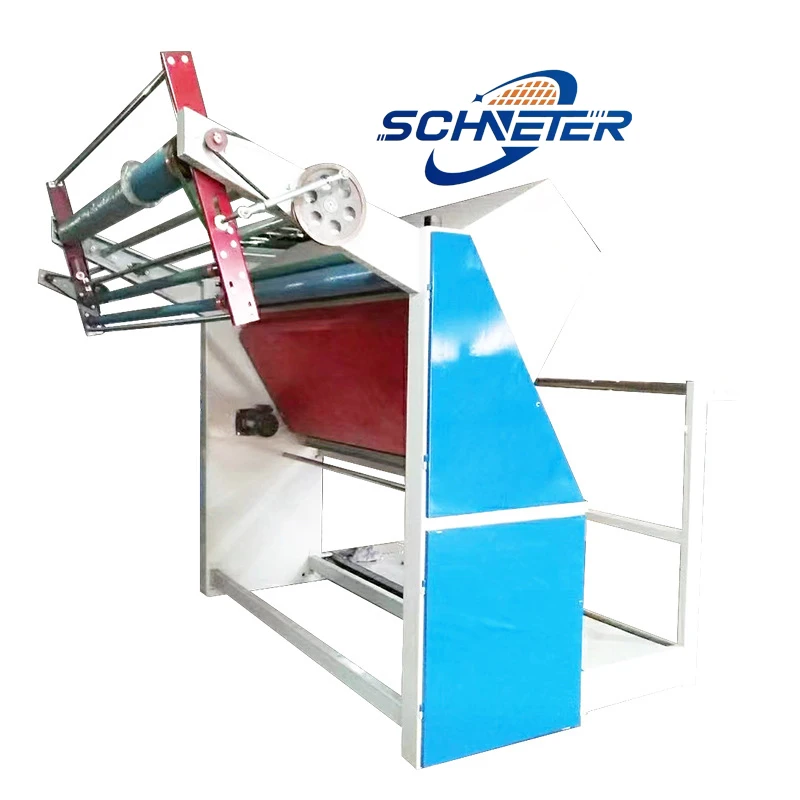
The working principle and application scope of fabric inspection machines establish them as indispensable quality control hubs in modern textile industries. Their applications are exceptionally broad, spanning virtually all sectors with stringent fabric quality requirements.
In apparel and textile manufacturing, inspection machines serve as the first line of defense for ensuring finished product quality. They precisely detect defects such as yarn faults, holes, and color variations in fabrics during early production stages, preventing defective materials from being used in garments. This effectively reduces waste and customer returns while safeguarding brand reputation.
For technical textiles and industrial fabrics, inspection machines are even more critical. Products like automotive airbags, parachutes, industrial canvas, and conveyor belts directly impact life safety and engineering reliability. Through 100% automated inspection, these machines ensure every inch of fabric meets stringent strength and integrity standards.
In home decor and furniture upholstery, inspection machines examine large-format fabrics used for sofas, curtains, and bedding. Given these products' expansive surfaces and visual prominence, even minor imperfections become highly noticeable. Inspection machines guarantee flawless aesthetics and consistent quality in the final products.
The automotive interior sector demands stringent aesthetics and durability. When inspecting seat fabrics, headliners, and door panel materials, inspection machines detect flaws that become accentuated under specific cabin lighting conditions, safeguarding the premium feel of vehicle interiors.
In the highly regulated medical and hygiene textiles sector, inspection machines directly impact safety and sanitation. They are used to inspect surgical gowns, sterilization drapes, and disposable medical nonwovens, ensuring materials are free from pinholes and contaminants while complying with stringent hygiene and safety regulations.
Finally, in specialized fields like geotextiles and agrotextiles—materials used for soil reinforcement, erosion control, and crop protection—functional integrity depends on the physical structure's integrity. Inspection machines monitor fabric uniformity, ensuring these materials perform effectively and reliably over extended periods in real-world applications.
03
Sep
03
Sep
02
Nov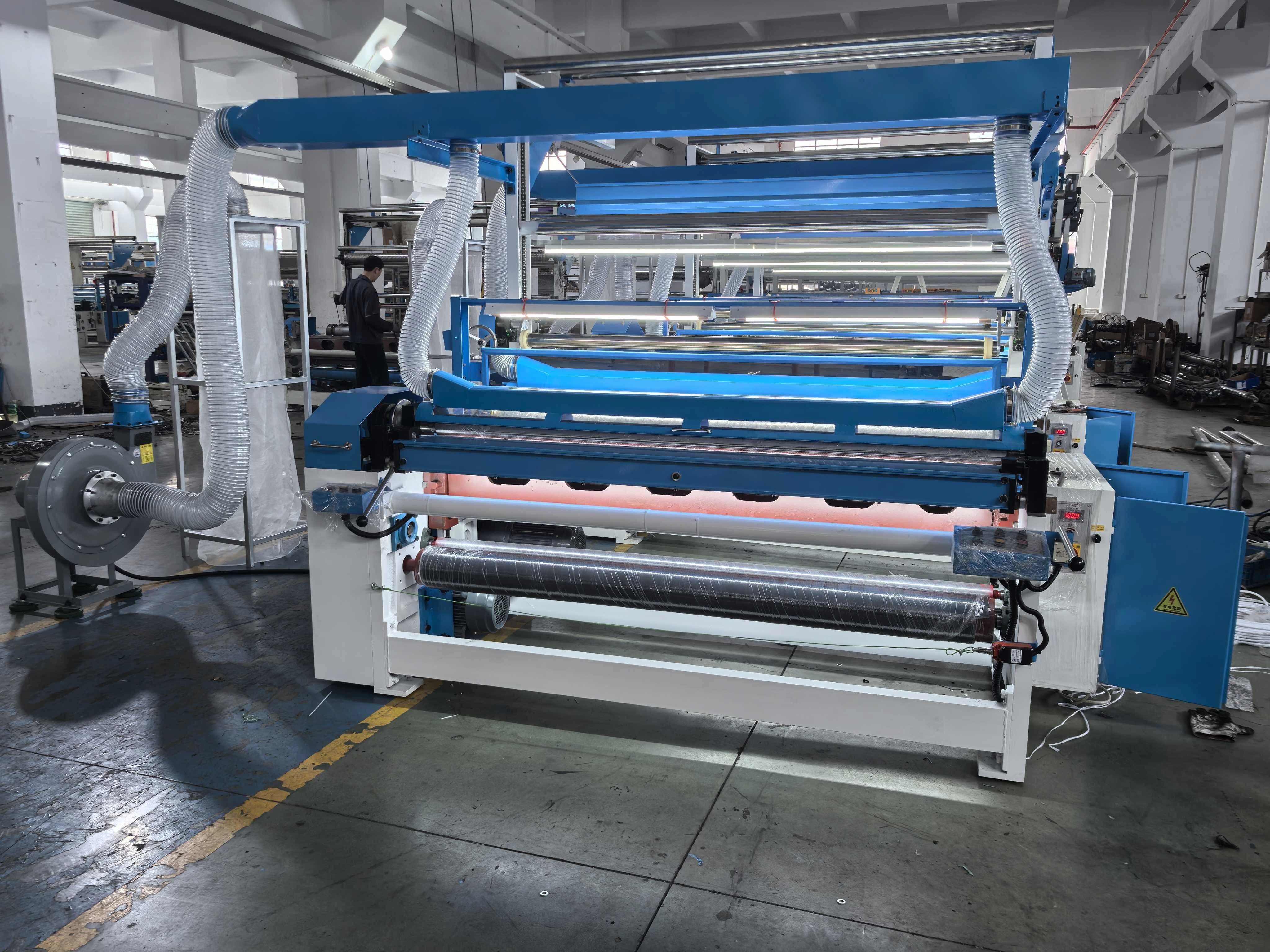
02
Nov
“Simple operation, quick employee onboarding”

“One of the fastest investments to recoup your costs, with a significant reduction in customer complaints.”