EN
EN


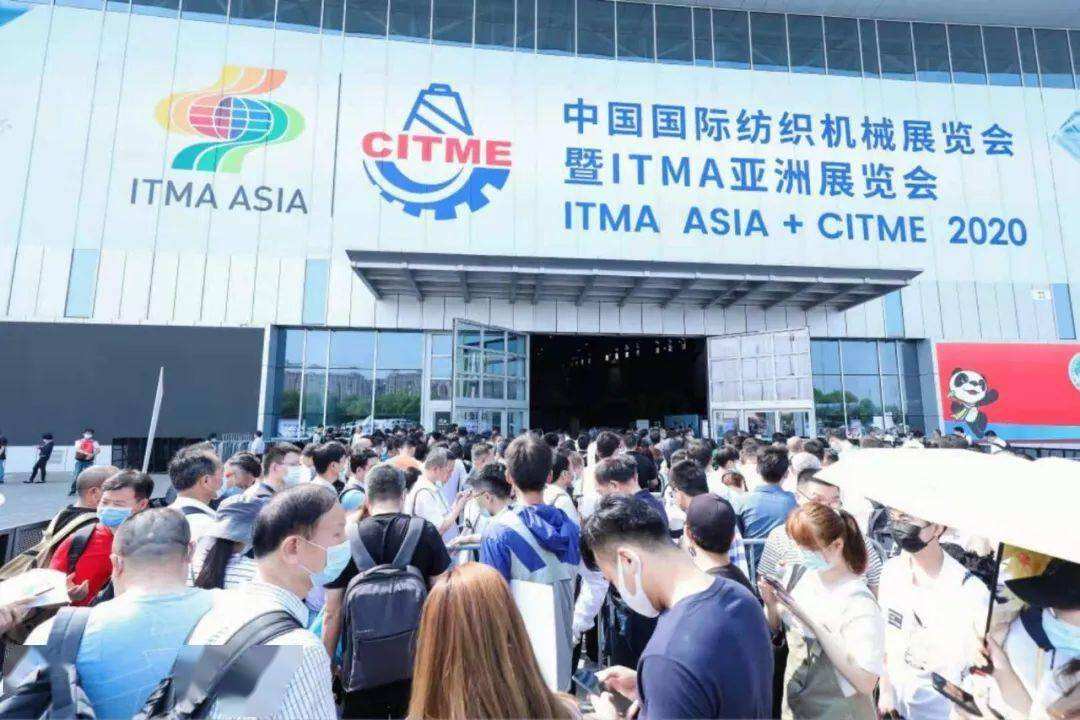
Shanghai Exhibition
Discover key takeaways from Shanghai Exhibition 2024, including emerging B2B trends, innovative technologies, and networking opportunities. Explore industry advancements now.
View More
 ×
×
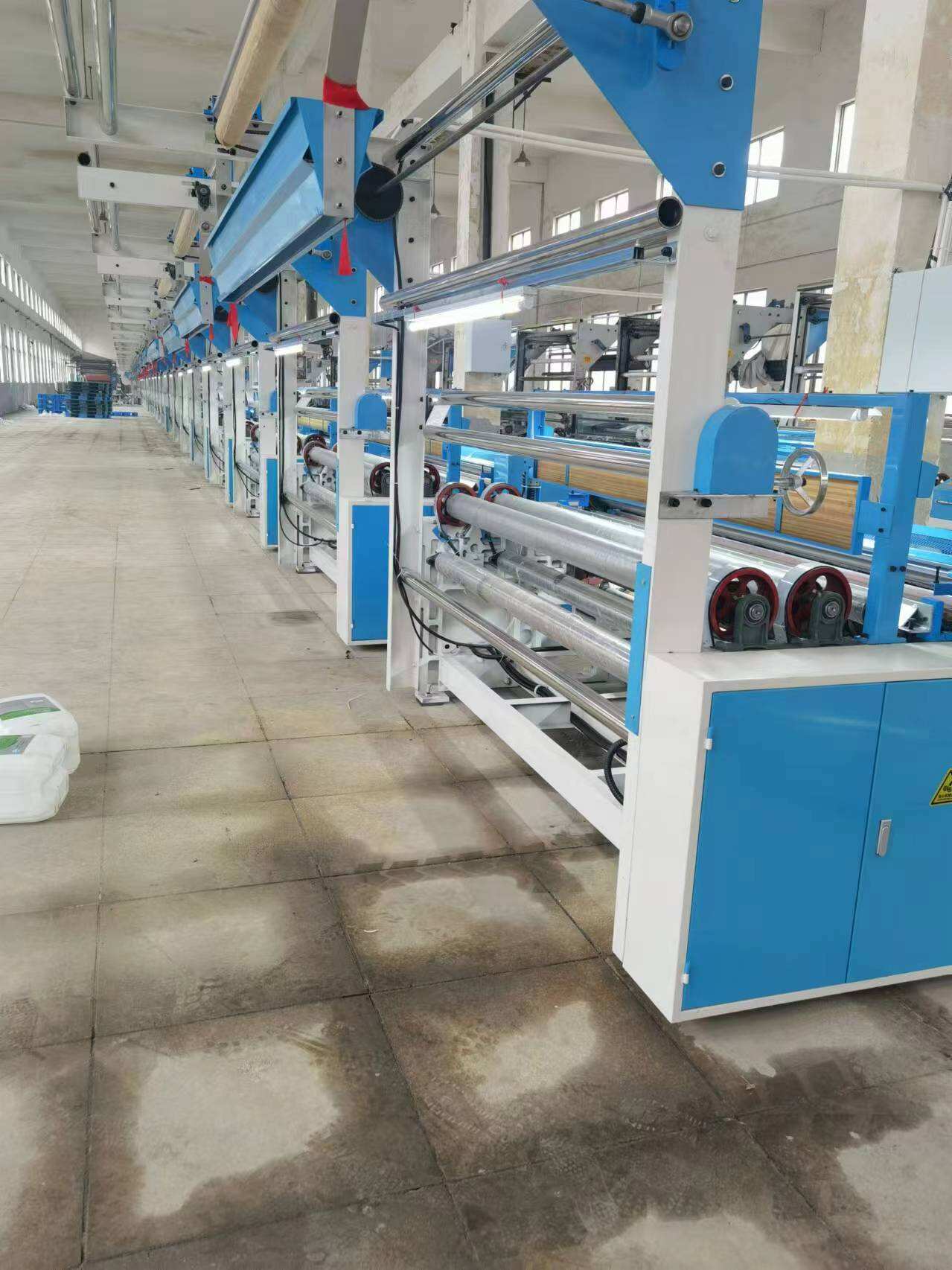
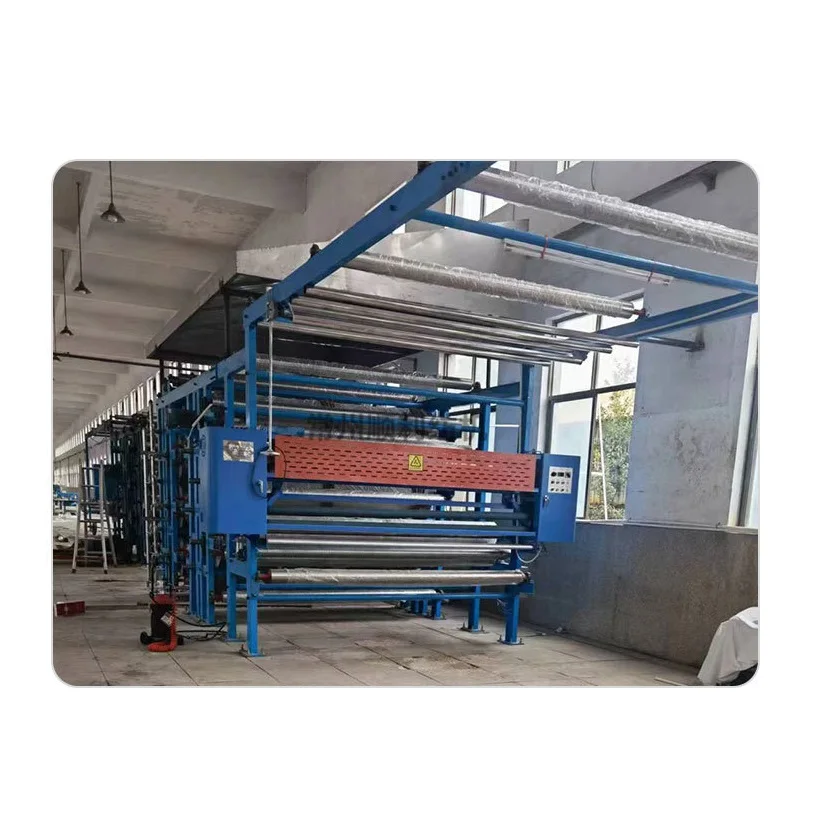
The significance of textile finishing processes lies in their role as the decisive leap from raw materials to finished goods. The grey fabric fresh off the loom is inherently coarse, prone to wrinkling, and unstable—virtually unusable in its raw state. Finishing is the pivotal stage that breathes life into the fabric. Through a series of mechanical and chemical treatments, it transforms the material into something durable, aesthetically pleasing, and market-ready. For instance, pre-shrinking ensures garments retain their fit after washing, while wrinkle-resistant treatments simplify daily wear. These foundational finishes are prerequisites for textiles entering households worldwide.
Beyond basic functionality, finishing technologies serve as the core engine for enhancing textile performance and value. They transform fabrics from “generic” to “specialized,” becoming pivotal for product differentiation and meeting specific needs. Based on end-use applications, we can add moisture-wicking and antimicrobial properties to sportswear, impart waterproofing and UV resistance to outdoor furniture, or achieve permanent luster and color vibrancy in cotton fabrics through mercerization. This ability to “customize” fabric characteristics through finishing directly determines a product's market positioning, user experience, and final price point, serving as a vital tool for designers and manufacturers to drive innovation.
In today's era of sustainability and smart technology, finishing techniques stand at the forefront of innovation. Bio-based finishing agents and low-environmental-impact processing methods are propelling the textile industry toward greater environmental sustainability. Simultaneously, smart finishing technologies like microencapsulation elevate textiles into “functional platforms,” enabling intelligent effects such as temperature regulation and long-lasting skincare benefits.
Therefore, gaining a deep understanding of various textile finishing types is no longer merely about mastering production techniques. It has become the strategic foundation for grasping industry trends, making responsible sourcing decisions, and developing next-generation innovative products.
03
Sep
03
Sep
02
Nov
02
Nov
“The new equipment is easy to operate, and employees can quickly get the hang of it.”

“Energy-saving effects are significant, with reduced water and electricity consumption.”